 (208) 991-3502
 Meridian, ID




You want a home theater that actually looks and sounds like the movie theater experience you're paying for, not a tangle of cables behind a TV you mounted yourself last weekend. That's where a proper...
You want a home theater that actually looks and sounds like the movie theater experience you're paying for, not a tangle of cables behind a TV you mounted yourself last weekend. That's where a proper home theater installation service comes in. It's the difference between a projector that flickers because of a bad HDMI run and a system that turns on with one voice command and just works, every time.
If you're searching for home theater installation professionals near me, you're probably trying to figure out what these services actually cover and what you should expect to pay before you call anyone. Fair question. Pricing swings widely based on room size, equipment quality, and whether you need structural work like in-wall speaker wiring or a dedicated acoustic treatment plan.
We've spent over a decade installing theaters across the Treasure Valley, from simple TV and soundbar setups to fully automated screening rooms. In this article, we'll break down exactly what's included in a typical installation package, what drives cost up or down, and how to know if a quote is fair for your space.
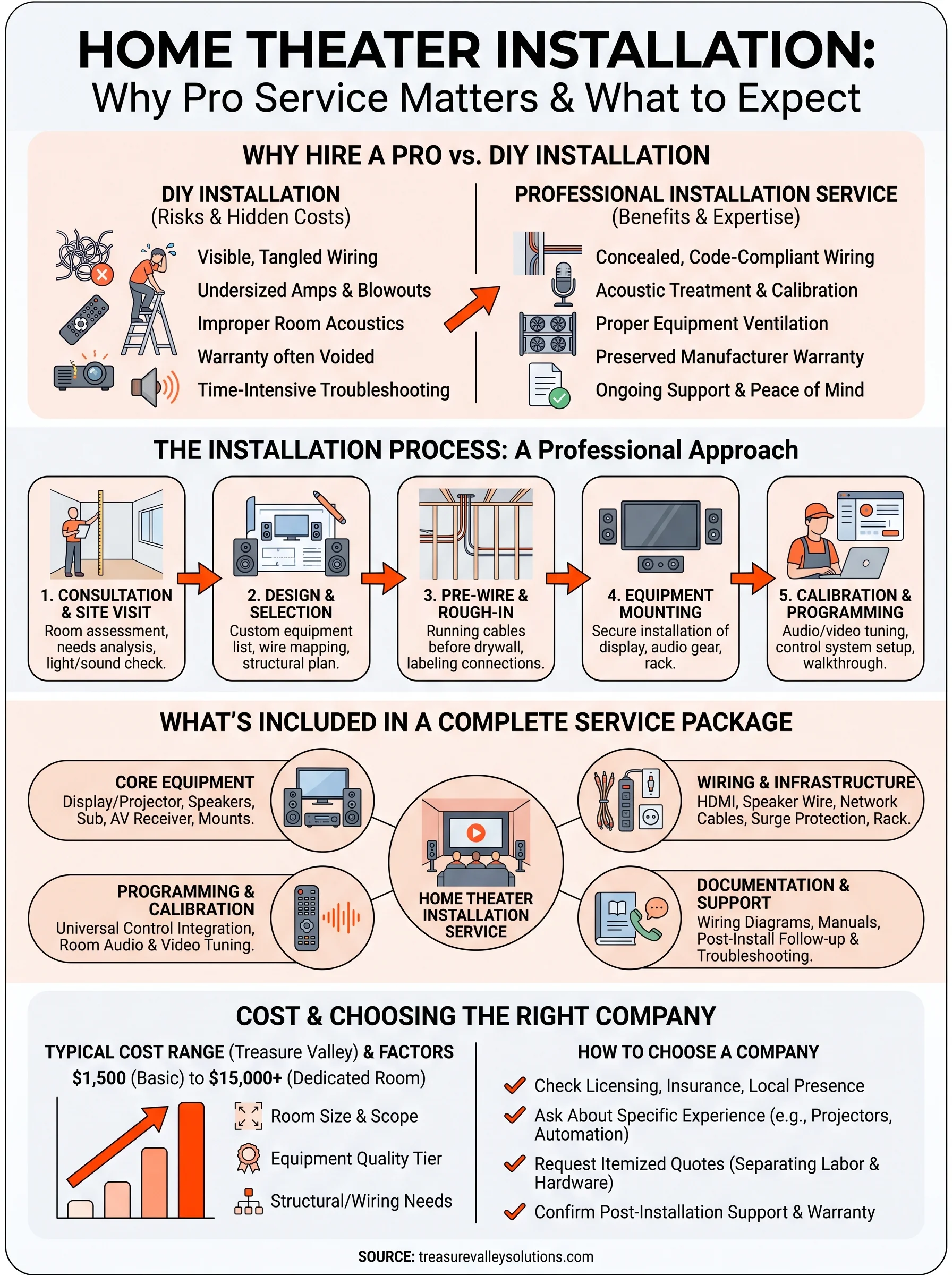
Why hire a professional for home theater installation
Setting up a home theater looks simple until you're standing in your living room with a projector, four speakers, a subwoofer, and a receiver that won't sync. Home theater installation service providers exist because getting cinema-quality sound and picture takes more than plugging in cables. You're dealing with electrical work, network configuration, acoustic tuning, and equipment that costs thousands of dollars if it's mismatched or mounted wrong. A step-by-step home theater setup you handle yourself might work on day one, but it rarely holds up once you add streaming devices, universal remotes, or a second zone of audio.
The technical work most homeowners underestimate
Behind every clean-looking theater room sits a mess of decisions most people never think about: wire gauge for long speaker runs, HDMI bandwidth for 4K and 8K signals, surge protection for expensive components, and proper ventilation so an AV receiver doesn't overheat inside a cabinet. Licensed technicians know which HDMI cable actually supports your resolution and refresh rate, and they run wire through walls before drywall goes up, not after, when you're stuck with unsightly conduit or wireless workarounds that lag and drop out. A few examples of what trips up DIYers:
- Running speaker wire too close to electrical lines, causing audible hum
- Undersized amplifiers that clip and eventually blow speakers
- Projector screens mounted without accounting for ambient light or seating angle
- Universal remotes programmed incorrectly, so "watch a movie" turns on the wrong input
Room acoustics and calibration matter more than gear
Expensive speakers in a poorly treated room sound worse than modest speakers properly calibrated. Professionals measure your room's dimensions, reflection points, and seating distance, then apply acoustic treatment and software calibration (like Audyssey or Dirac) to correct for the actual space you're sitting in, not a lab environment. This is the step most self-installed systems skip entirely, and it's usually the biggest gap between "pretty good" and "wow."
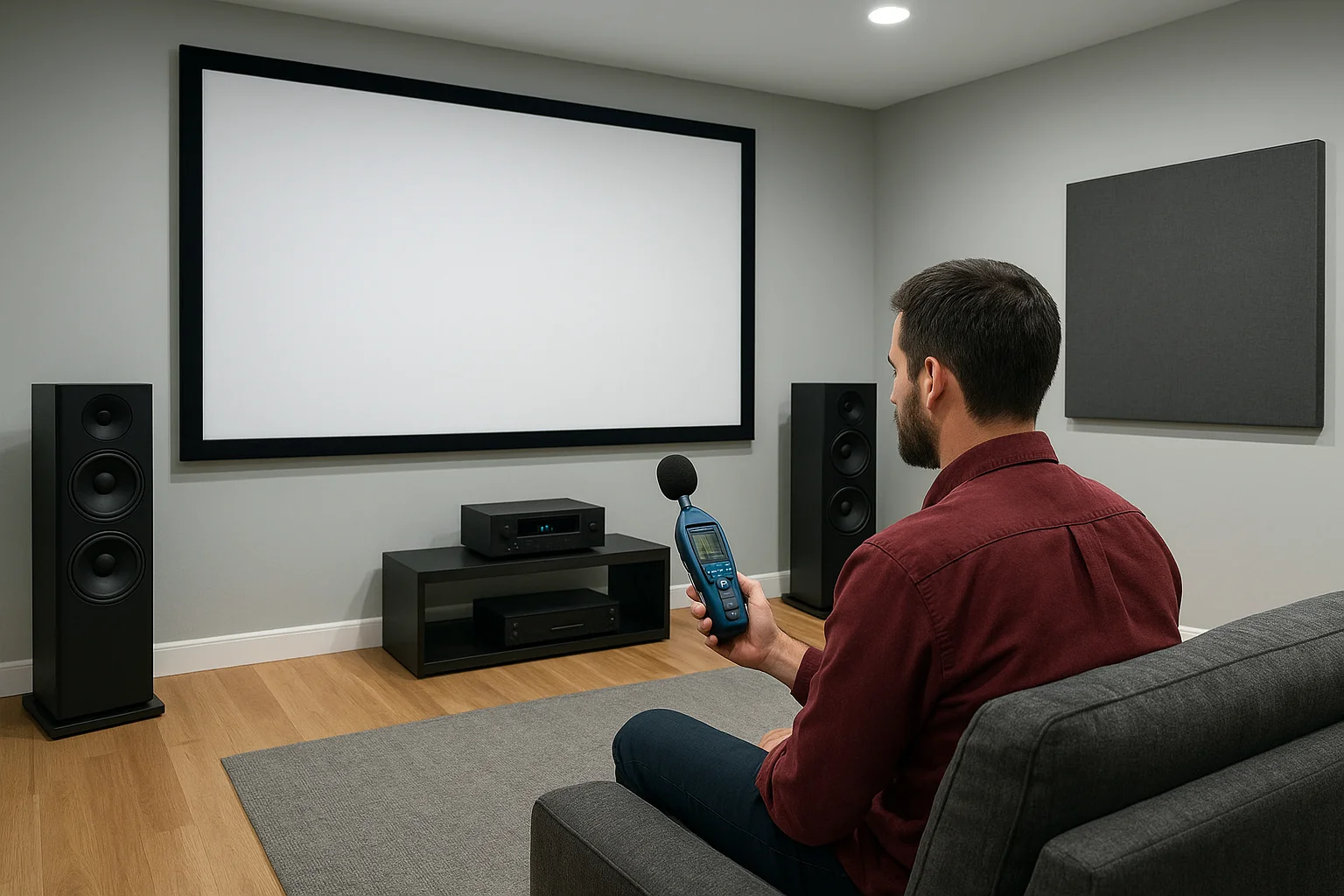
A theater is only as good as the room it's built in, not just the gear inside it.
Avoiding costly mistakes and warranty issues
Manufacturer warranties on receivers, projectors, and speakers handled by an in-ceiling speaker pro often require professional installation to stay valid, especially for in-wall wiring or built-in mounting. Skip that step and a $3,000 receiver failure becomes your problem, not the manufacturer's. Hiring a company that's licensed and insured also protects you if something goes wrong during installation, like drywall damage or an electrical short.
| Factor | DIY Installation | Professional Installation |
|---|---|---|
| Wiring | Visible, often improvised | Concealed, code-compliant |
| Acoustic calibration | Rarely done | Standard practice |
| Warranty protection | Often voided | Preserved |
| Time investment | Days to weeks | Typically 1-2 days |
| Troubleshooting support | On you | Included or available |
Treasure Valley homeowners who try the DIY route often call us later to fix problems that a proper installation would have prevented the first time. It's usually cheaper to do it right once than to pay twice.
How the home theater installation process works
A solid home theater installation service follows a repeatable process, not a rushed afternoon of guesswork. Most reputable companies, including ours, walk every project through the same core stages regardless of budget, because skipping a step is where problems creep in later. Knowing this sequence helps you spot a corner-cutting contractor before you sign a contract.
Initial consultation and room assessment
Everything starts with a site visit, either in person or via video walkthrough for simpler projects. A technician measures the room, checks ceiling and wall construction, notes window placement for light control, and asks how you actually plan to use the space. Watching sports with friends calls for different speaker placement for 5.1, 7.1, and Atmos than a dedicated movie room with dimmed lighting and theater seating.
Design and equipment selection
Next comes the design phase, where the installer recommends a receiver, speakers, screen or TV, and control system based on your room size and budget, not a generic package. This is also when they map out wire runs and confirm whether any electrical or structural work is needed before installation day.
Pre-wire and rough-in
If you're building or renovating, this step happens before drywall goes up. Technicians run speaker wire, HDMI, network cable, and power conduit through walls and ceilings, labeling every run so nothing gets mixed up later.
Installation and equipment mounting
Once wiring is in place, the crew mounts the TV or sets up the home theater with a projector, installs speakers, racks the equipment, and connects everything. A typical project looks like this:
- Mount display or projector and screen
- Install and wire speakers, subwoofer, and center channel
- Set up the AV receiver and connect all sources
- Configure network hardware for streaming devices
- Program universal remote or app-based control
Calibration and walkthrough
Professionals then run audio and video calibration software to tune sound to the room and adjust picture settings for accurate color and brightness. Only after that does the real test happen: a full walkthrough with you, showing exactly how to turn the system on, switch inputs, and troubleshoot common hiccups.
A good installation isn't finished until you can operate it confidently without calling for help.
Quality companies also schedule a follow-up check within a few weeks, since real-world use sometimes reveals small tweaks a first calibration missed.
What's included in a home theater installation
A complete home theater installation service covers far more than hanging a TV on the wall. Most packages bundle hardware, labor, wiring, and setup into one project, so you're not left guessing what a quote actually pays for. Understanding the pieces helps you compare bids apples to apples instead of just looking at a bottom-line number.
Core equipment and hardware
Every installation starts with the physical gear: a display or projector, screen, AV receiver, speakers, subwoofer, and often a streaming or media source. Reputable installers spec this equipment to your room size and seating distance rather than pushing whatever's on sale. Here's what a typical package includes:
- Display, projector, or both, sized to room and viewing distance
- Front, center, surround, and height speakers (or a soundbar for smaller setups)
- Subwoofer for low-frequency bass
- AV receiver or processor to manage sources and audio channels
- Mounting hardware and equipment rack
Wiring, mounting, and infrastructure
Beyond the boxes themselves, you're paying for the labor most people underestimate: running speaker wire and HDMI through walls, mounting the display or projector at the correct height and angle, and installing a proper equipment rack with ventilation, which is why equipment rack design matters more than it looks. This includes surge protection to guard against power spikes frying a $2,000 receiver, plus high-quality network wiring if the system streams content or connects to a whole-home audio setup.
The equipment list gets attention, but the wiring and mounting work is what makes it last for years instead of months.
Programming, calibration, and control setup
Once everything's mounted, the technician programs a universal remote or app-based control system, integrating smart technology into your home theater so one button does what used to take four remotes. This step also covers audio and video calibration, tuning sound levels and picture settings to your specific room. Skipping this leaves you with expensive gear performing like a mid-range setup.
Documentation and post-install support
Finally, a professional installer leaves you with wiring diagrams, equipment manuals, and instructions for basic troubleshooting. Many companies, ours included, also include a follow-up visit and ongoing support, so if a firmware update breaks your remote six months later, you've got someone to call instead of starting from scratch.
How much does home theater installation cost
Typical home theater installation pricing for a home theater installation service ranges from $1,500 for a simple TV and soundbar setup to $15,000 or more for a dedicated theater room with a projector, acoustic treatment, and full automation. Most homeowners in the Treasure Valley land somewhere between $3,000 and $8,000 for a solid five-speaker system with a mid-range receiver and professional calibration. The exact number depends on equipment tier and how much wiring or structural work the room needs before installation day even starts.
Several factors push a quote higher or lower than the average. Room size determines speaker count and wire length. Ceiling and wall construction affect how easy it is to run cable, and older homes sometimes need extra labor to fish wire through finished walls. Whether you're pre-wiring during new construction or retrofitting an existing room changes the math too, since retrofits often cost more per hour of labor.
The gear on the shelf rarely explains the price tag. The labor and wiring behind the walls usually do.
Labor accounts for a bigger share of the bill than most people expect, often 30 to 40 percent of the total project cost. That covers the technician's time running wire, mounting equipment, programming controls, and calibrating sound and picture. Skimping here to save money is exactly how DIY setups end up costing more later, once something fails or a warranty claim gets denied.
Below is a rough breakdown by project scope, based on typical installs we've handled across Meridian, home theater installation in Boise, Eagle, and Nampa:
| Project Scope | Typical Cost Range | What's Usually Included |
|---|---|---|
| Basic TV and soundbar | $1,500 - $3,000 | Mounting, minor cable concealment, basic setup |
| Standard 5.1 home theater | $3,000 - $8,000 | Speakers, subwoofer, receiver, calibration, universal remote |
| Projector-based theater room | $6,000 - $12,000 | Projector, screen, acoustic treatment, seating layout, full wiring |
| Fully automated screening room | $12,000 - $20,000+ | Custom AV, lighting integration, smart control, dedicated acoustic design |
Vague quotes without a breakdown are a red flag. A trustworthy company itemizes hardware, labor, and any structural work separately, so you can see where your money is actually going instead of taking a lump sum on faith.
How to choose a home theater installation company
Knowing how to choose the best home theater installation services matters more than finding the cheapest one. A low bid that skips calibration or uses undersized wire costs you more once something fails. Focus on a company's track record, transparency, and willingness to explain their process before you hand over a deposit.
Check licensing, insurance, and local presence
Verify the company carries proper licensing and insurance before letting anyone touch your walls or electrical system. A licensed and insured installer protects you if drywall gets damaged or a wiring mistake causes a short. Local companies also tend to respond faster for follow-up service, since they're not driving in from out of state for a warranty callback.
A company that won't show proof of insurance shouldn't be in your home with a drill.
Ask about experience with your specific setup
Not every installer handles every project size. Some specialize in simple TV mounts, while others regularly build dedicated screening rooms with acoustic treatment and full automation. Ask directly:
- How many similar rooms have you installed in the past year?
- Do you handle calibration in-house, or subcontract it out?
- Can you provide references from projects in my area?
- What brands of receivers, speakers, and control systems do you install most?
Straight answers here tell you more than any glossy brochure.
Read reviews and request an itemized quote
Local reviews reveal patterns a sales pitch never will, especially complaints about missed appointments or unreturned calls after installation. Once you've narrowed your options, request a detailed, itemized quote that separates equipment, labor, and any structural work. Compare bids side by side rather than judging on the bottom-line number alone, since a $4,000 quote missing calibration isn't cheaper than a $5,000 quote that includes it.
Confirm what happens after installation
Finally, ask what support looks like once the crew leaves. A company worth hiring offers a follow-up visit, clear documentation, and a real phone number for troubleshooting, not just a warranty card. If you're weighing options for home theater installation in Meridian, Boise, Eagle, or Nampa, our team at Treasure Valley Solutions walks every client through this exact process before a single cable gets run.
Bringing it all together
A real home theater installation service covers design, wiring, mounting, calibration, and support long after the crew packs up. Skip any of those steps and you end up with the DIY headaches we described earlier: hum in the speakers, a receiver that overheats, or a warranty that's already void. Pricing varies with room size and equipment tier, but the pattern holds across every budget: labor and calibration matter as much as the gear itself.
Before you hire anyone, use what you've learned here to compare quotes properly. Ask for an itemized breakdown, confirm licensing and insurance, and find out what happens if something needs adjusting six months down the road. That's how you avoid paying twice for the same room.
If you're ready to see what a properly designed theater looks like in a space like yours, take a look at our completed home theater installations before reaching out.
Need Expert Help?
Ready to implement these solutions in your own home or business?
Our Services

Home theater design and installation planned around your room, viewing goals, and equipment scope.
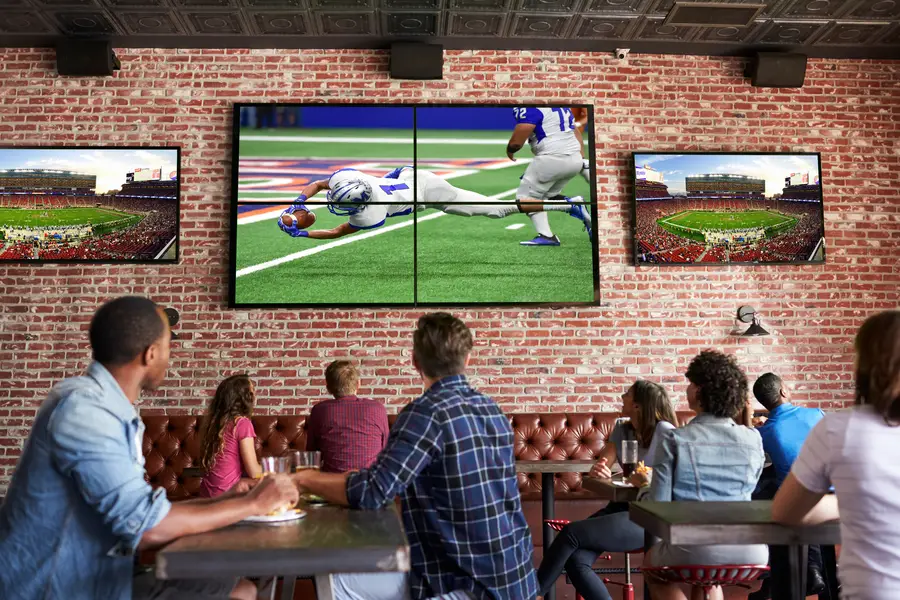
Expert TV Mounting Treasure Valley Homeowners & Businesses Trust

Explore whole-home audio, commercial sound, Sonos setup, and surround sound installation in the Treasure Valley.
Serving the Treasure Valley
Local installation in your city