Custom Home Theater Design
Good theater design starts with the room and how you want to use it—not a preset equipment list. Discovery covers room dimensions and access, viewing habits, seating positions, ambient light, existing equipment, and your goals for the system.
Design considerations
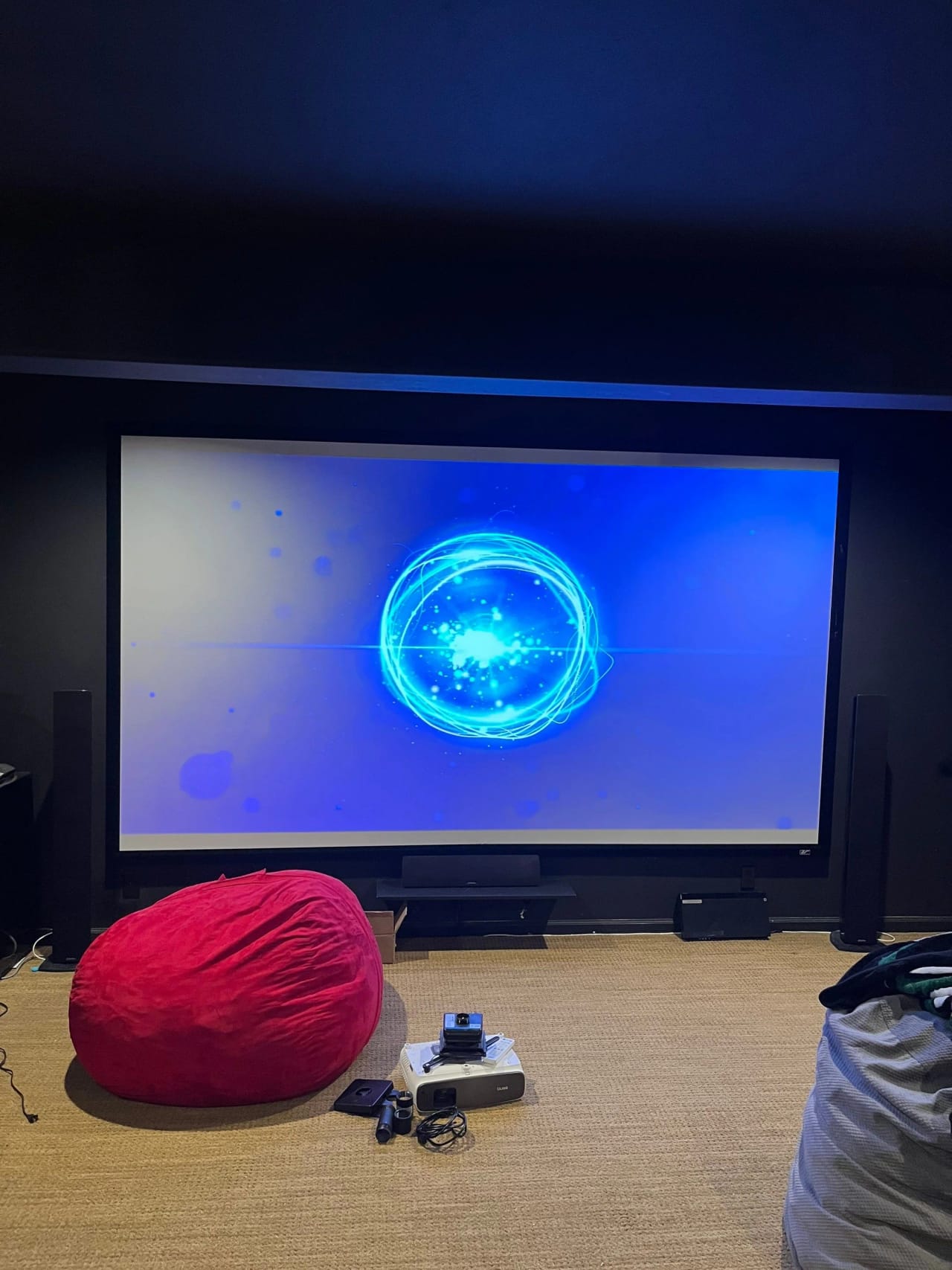
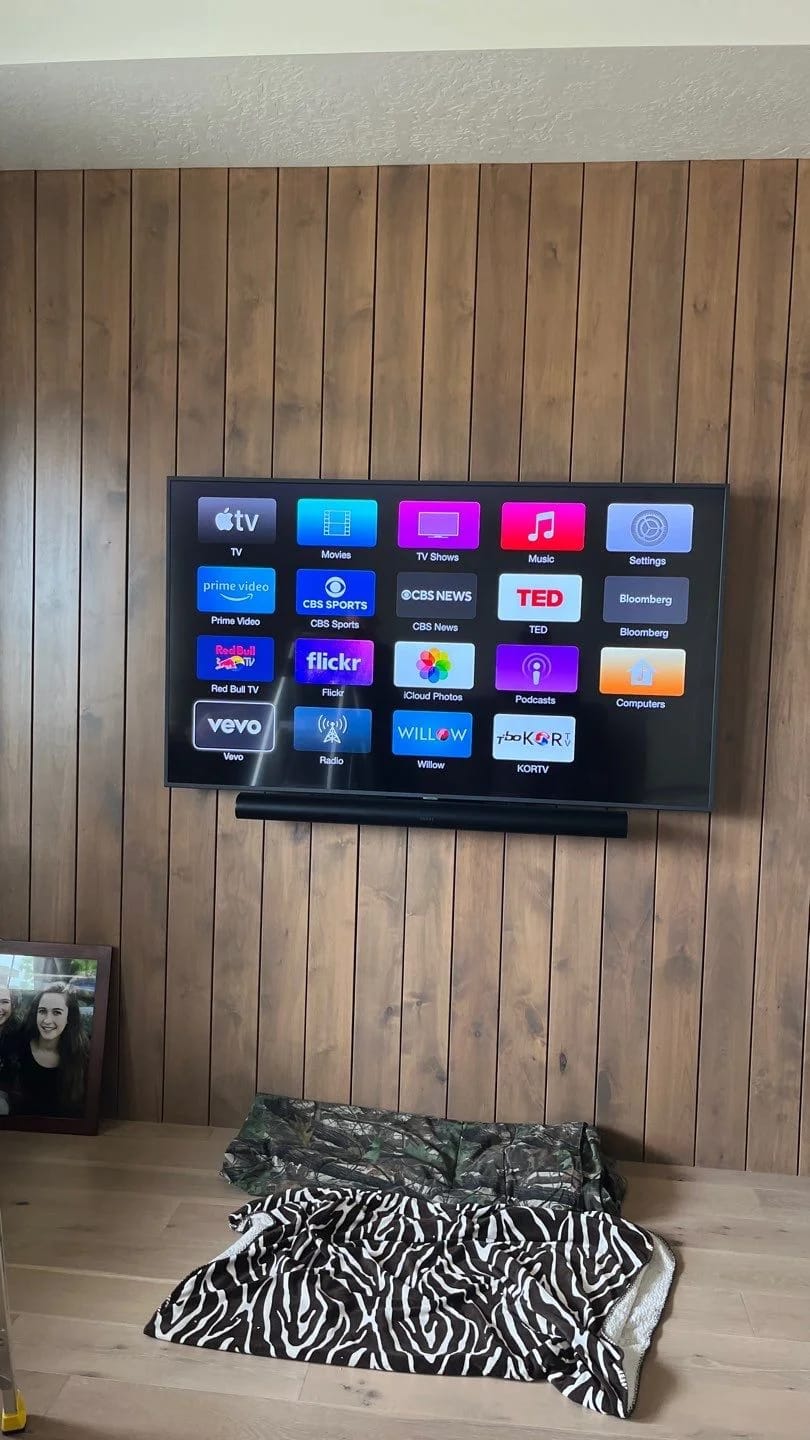
We consider television or projection placement, screen size and sightlines, surround speaker locations, and Dolby Atmos where the room and approved scope support it. Acoustic considerations focus on listening clarity and room response, not sound-isolation construction. Lighting controls, simple system operation, component access, rack placement, and ventilation can be coordinated as part of the design.
Installation, calibration, and customer training are included only when described in the approved project scope. Electrical, construction, and finish work are coordinated with the responsible trade and are not implied.
A design-to-handoff process
- Discovery and room evaluation. Discuss dedicated or shared use, room measurements, light control, seating, listening priorities, budget preference, timing, and equipment you hope to keep. Identify constraints before recommending products.
- Room and system planning. Compare television and projection options against actual sightlines, projector throw, screen choice, and daylight. Plan surround or Atmos positions against the listening area, selected speakers, and receiver capabilities. Review acoustic options inside the room without promising soundproofing.
- Integration and responsibility review. Agree equipment location, rack ventilation, network needs, and service access. Lighting scenes and compatible shade or control integration are options, not automatic inclusions. Coordinate electrical power and any required conduit with the responsible trade.
- Written scope and installation. Confirm the equipment, cable routes, mounting, programming, exclusions, and who handles any separately required building work. Installation follows the approved scope and site conditions rather than an assumed all-inclusive package.
- Commissioning and customer handoff. Where included, test sources, signal paths, speaker assignments, audio/video settings, and common control sequences. Review everyday operation with the customer and provide the agreed documentation and training. Calibration cannot remove every limitation of a room or incompatible existing equipment.
Plan a dedicated cinema or a flexible media room
A dedicated room can prioritize stable seats and controlled light. A shared space may need daytime viewing, open walkways, and flexible furniture. We design the AV approach around that choice. Seating layout advice does not mean seating supply, riser construction, millwork, or structural remodeling is included. Any such work requires a separately verified scope and the responsible contractor.
What shapes the proposal
Room dimensions and access; display and speaker selections; control integration; equipment rack requirements; construction timing; and separately scoped trade or finish work all affect scope. Explore our home theater work or read the home theater blog.
Discuss your room with our team: request a project consultation.
 (208) 991-3502
 Meridian, ID