 (208) 991-3502
 Meridian, ID




Home theater installation cost covers everything you pay to transform a room into a dedicated entertainment space. This includes equipment like projectors, screens, speakers, and receivers, plus the l...
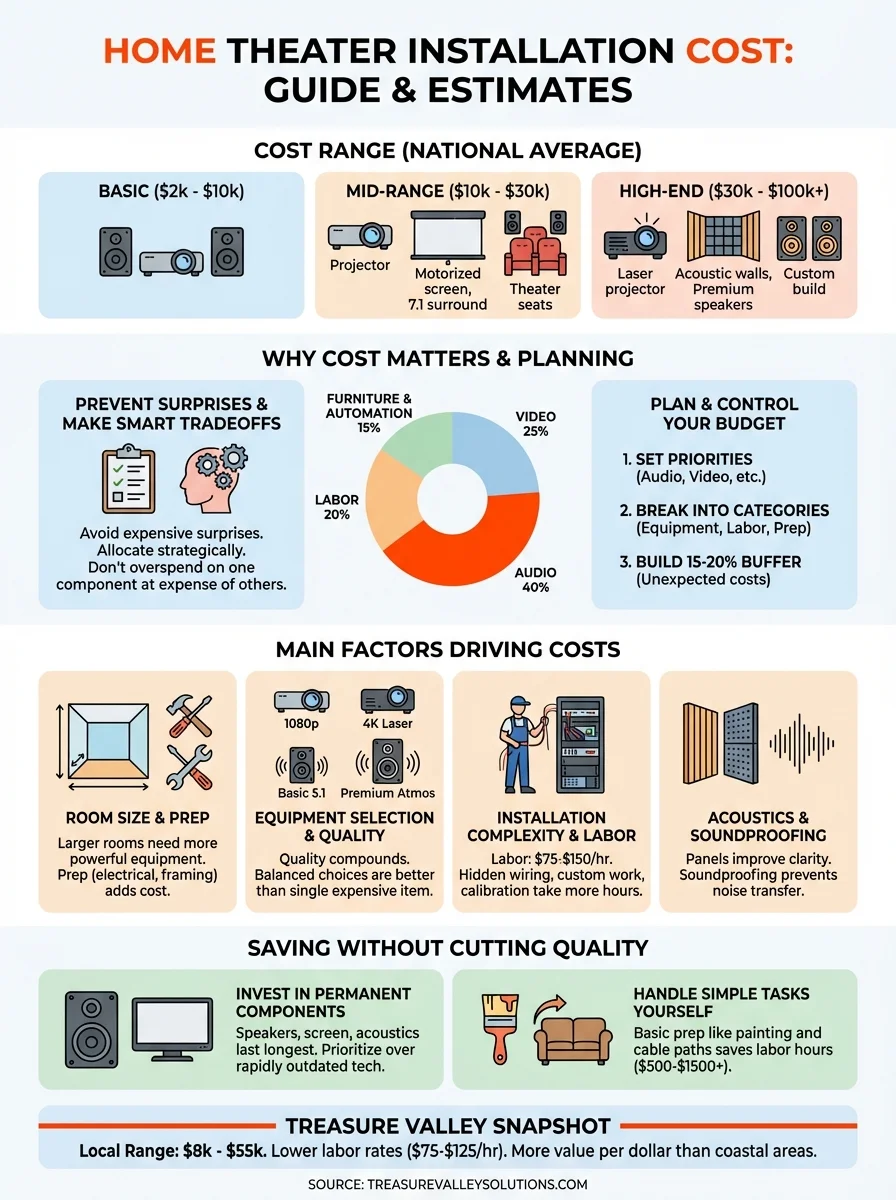
Home theater installation cost covers everything you pay to transform a room into a dedicated entertainment space. This includes equipment like projectors, screens, speakers, and receivers, plus the labor to wire, mount, calibrate, and program your system. Most homeowners spend between $10,000 and $60,000 on a complete setup, though basic systems start around $2,000 and luxury theaters can exceed $100,000. The final price depends on your room size, equipment choices, and how much customization you want.
This guide breaks down what you'll actually pay for a home theater installation. You'll learn which factors push costs up or down, how to estimate your budget before you start, and where you can save money without sacrificing quality. We'll show you real price ranges for equipment and labor, explain why professional installation matters, and give you practical steps to plan your project. Whether you're converting a spare bedroom or building a dedicated theater room, you'll finish with a clear picture of what to expect and how to make smart decisions about your investment.
Why home theater installation cost matters
Understanding home theater installation cost before you start prevents expensive surprises and helps you make smart tradeoffs. Most projects involve dozens of decisions about equipment, labor, and room modifications, and each choice affects your final bill. When you know what drives costs up or down, you can allocate your budget strategically instead of discovering halfway through that you can't afford the projector you wanted.
Your budget shapes every aspect of your theater, from screen size to speaker quality to automation features. A clear cost picture lets you decide where to invest heavily (like audio equipment that lasts decades) and where to save (like starting with basic seating you can upgrade later). You'll avoid the common mistake of spending too much on a single component and running out of money for proper installation or acoustic treatments that actually make the system perform well.
Planning your home theater installation cost early helps you build the theater you'll actually use instead of one that looks impressive but drains your budget.
Professional installers charge different rates for similar work, and equipment prices vary widely between brands. Knowing typical ranges helps you spot fair pricing and negotiate confidently with contractors.
How to plan and control your home theater budget
Planning your home theater budget starts with setting a realistic total before you pick any equipment. You need to know your maximum spend so you can allocate money across all categories instead of falling in love with expensive speakers and running out of funds for installation or acoustics. Write down your absolute limit and subtract 15% immediately for unexpected costs that always appear during installation.
Set your priorities before you shop
Your budget priorities determine where you put the most money. Decide which elements matter most to your theater experience before you start comparing products. Most buyers prioritize audio quality and the projector screen because these components last longer and affect your experience more than frequently-updated technology like receivers or media players. You might spend 40% on speakers and acoustics, 25% on video equipment, 20% on installation, and 15% on furniture and automation.
Rank each component from most to least important for your specific needs. Someone who watches primarily dialogue-driven films might invest heavily in a center channel speaker, while action movie fans put more budget toward subwoofers. Your priorities shape where you can safely cut costs and where you should stretch your budget.
Setting clear priorities before you shop prevents impulse purchases that derail your budget and force compromises on elements that actually matter to you.
Break your budget into specific categories
Creating budget categories keeps you from overspending on one component at another's expense. Allocate specific dollar amounts to equipment, labor, room preparation, and finishing touches before you start shopping. Track what you spend in each category so you catch overruns early and adjust other areas to compensate.
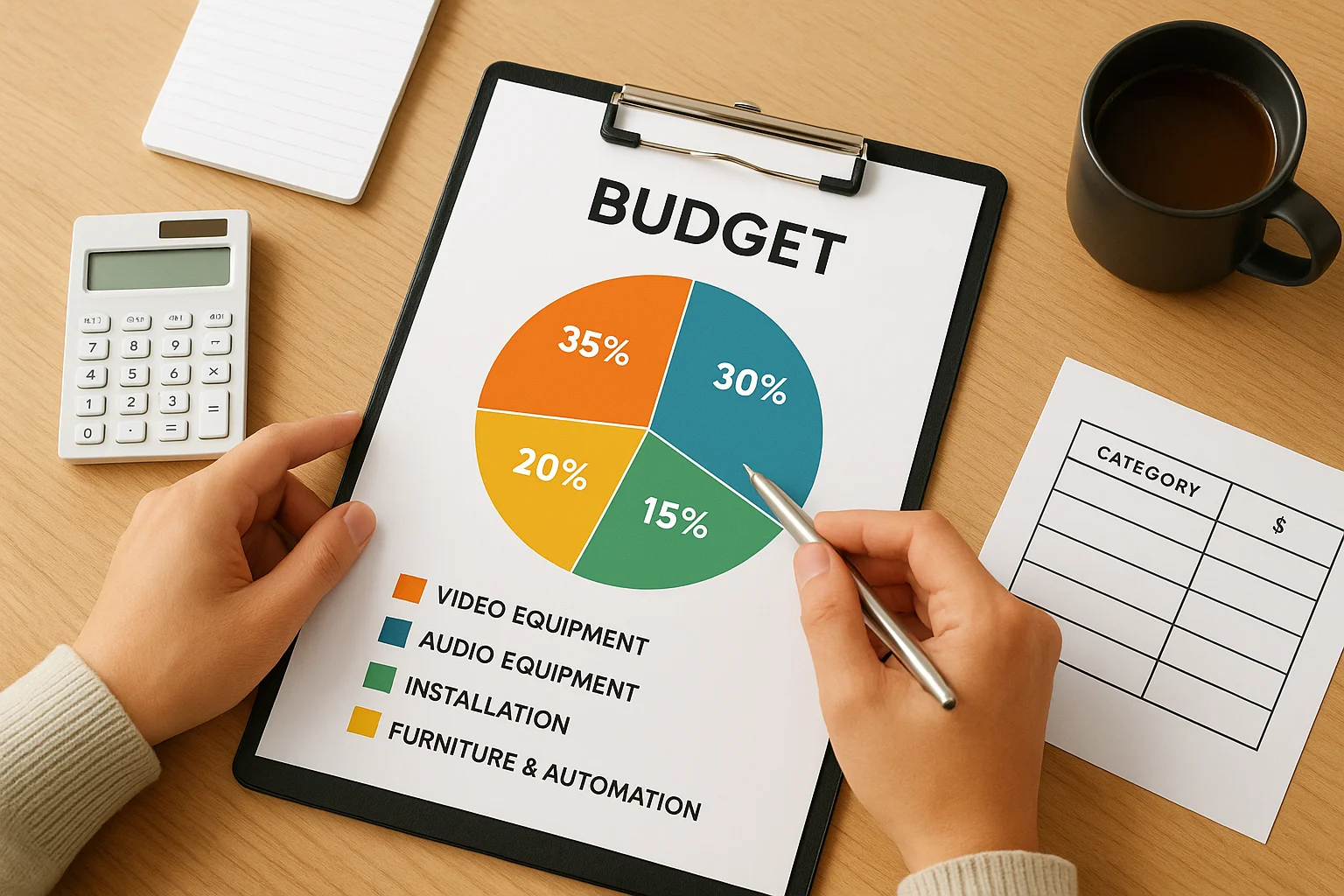
Your home theater installation cost typically splits into these buckets: video equipment (projector and screen), audio equipment (speakers, subwoofers, receiver), installation labor, cables and mounting hardware, acoustic treatments, seating and furniture, and smart controls. Assign percentages to each category based on your priorities, then convert those to dollar amounts. When you find a $3,000 projector but only budgeted $2,000, you immediately know you need to cut $1,000 somewhere else or increase your total.
Build a 15-20% buffer for unexpected costs
Every home theater project encounters surprise expenses you didn't anticipate. Your walls might need extra blocking for heavy speakers, or you discover electrical work that requires a licensed contractor. Budget an additional 15% to 20% on top of your estimated costs to handle these situations without panic or project delays.
This contingency fund protects your project timeline and quality. Without it, you face uncomfortable choices like skipping acoustic panels or using cheaper cable when problems arise. Calculate your buffer based on your total planned spend and keep it separate from your category allocations.
Home theater costs in the Treasure Valley
Home theater installation cost in the Treasure Valley typically runs $8,000 to $55,000 for most projects, slightly lower than national averages due to local labor rates and competitive installer pricing. You'll find experienced integrators throughout Boise, Meridian, Eagle, and Nampa who understand Idaho's housing stock and can work efficiently in both new construction and existing homes. The local market supports everything from basic media rooms to luxury screening rooms, and you get more value per dollar compared to larger metropolitan areas where overhead and demand drive prices higher.
Typical price ranges for Treasure Valley installations
Basic home theater systems in the Treasure Valley start around $5,000 to $12,000 and include a quality projector, motorized screen, 5.1 surround sound system, and professional installation. These setups work well in existing bonus rooms or finished basements where you don't need significant room modifications. You get solid performance without luxury features, perfect for families who want better movie nights without transforming their entire home.
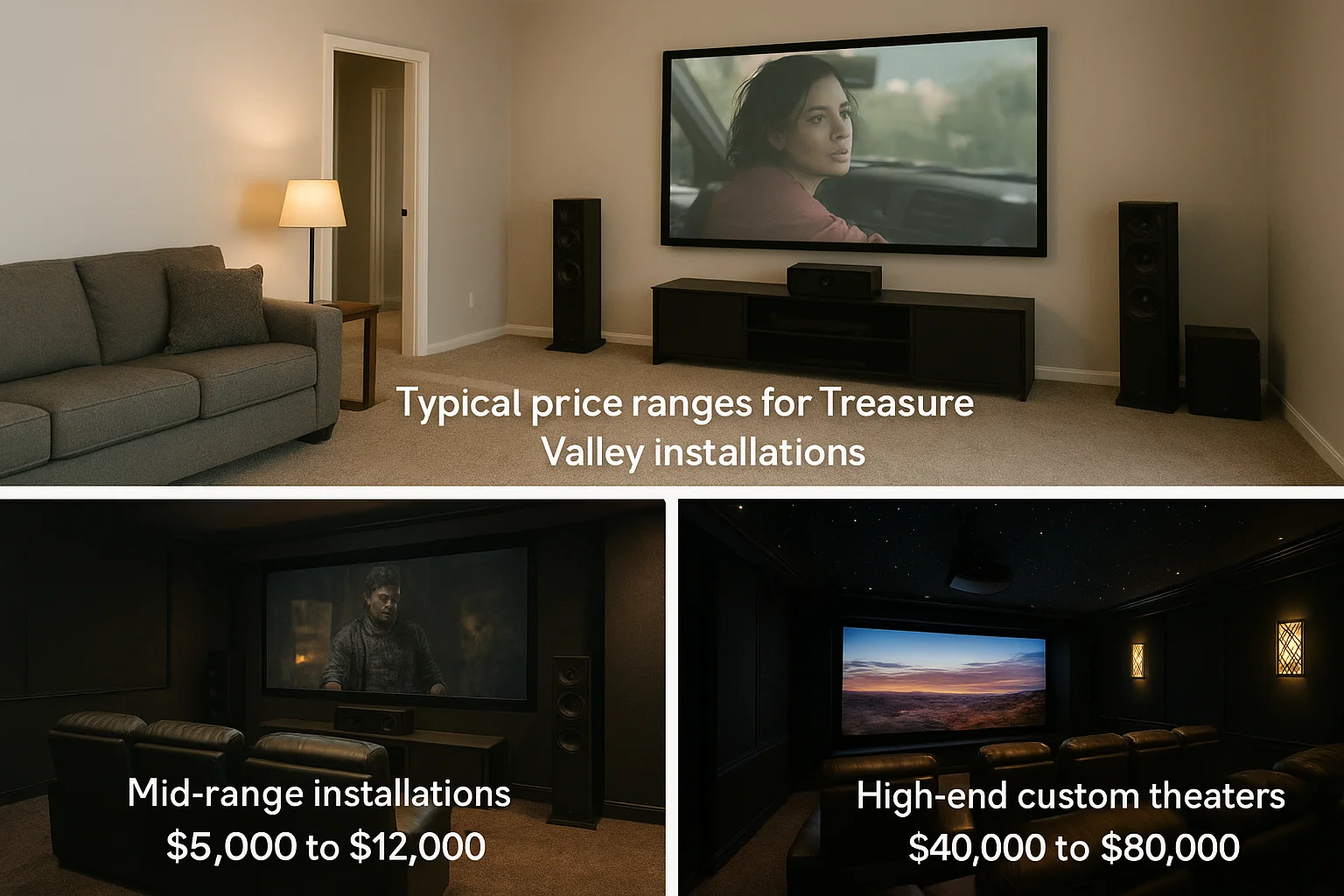
Mid-range installations run $15,000 to $35,000 and represent the sweet spot for most Treasure Valley homeowners. This budget gets you a high-quality projector, premium acoustic treatments, 7.2 or Atmos surround sound, theater seating, smart lighting control, and complete professional calibration. Your installer can work with your room's specific dimensions and acoustics to deliver genuine cinema-quality sound and picture. These systems impress guests and provide years of reliable entertainment.
Treasure Valley's competitive installer market means you get professional-grade theater systems at prices 10% to 15% below what you'd pay in coastal markets.
High-end custom theaters cost $40,000 to $80,000 or more in the Treasure Valley. You receive laser projection, acoustically optimized room design, custom millwork, motorized seating, full home automation integration, and architectural features like starlight ceilings or illuminated wall panels. Local installers partner with you through every decision to create a theater that matches your vision exactly.
Local factors affecting your costs
Labor rates in the Treasure Valley average $75 to $125 per hour for qualified home theater installers, compared to $100 to $200+ in major coastal cities. This regional difference adds up quickly on projects requiring 40 to 80 hours of installation time. You still get certified professionals with factory training and years of experience, just without the premium pricing that comes with working in expensive urban markets.
Your home's construction type influences installation complexity and cost in the Treasure Valley. Newer homes built in the past 15 years often include prewiring for speakers and structured cabling, making installation faster and less expensive. Older homes might need more invasive work to run cables through walls, though experienced local installers know efficient techniques for Treasure Valley's common home styles. Distance from Boise also affects travel time, with installers sometimes adding minimal trip charges for properties in outer areas like Star or Kuna.
Main factors that drive home theater costs
Home theater installation cost varies dramatically based on specific decisions you make about your space and equipment. Understanding which factors push prices higher helps you control your budget strategically instead of discovering expensive surprises mid-project. Some elements like room size affect every other cost, while others like automation add optional features you can include or skip based on your priorities.
Room size and preparation requirements
Your room's square footage determines how much equipment you need and how much work installers must complete. A 150-square-foot bonus room requires fewer speakers, less cable, shorter installation time, and smaller acoustic treatments compared to a 400-square-foot dedicated theater. Larger spaces also need more powerful projectors and bigger screens to fill the viewing area properly, which increases equipment costs before you factor in installation.
Preparation work adds significant expense if your room needs modifications beyond basic equipment mounting. You might need to add electrical outlets, install dedicated circuits for power-hungry amplifiers, frame riser platforms for stadium seating, or repair walls before mounting equipment. Basement conversions often require moisture barriers and proper egress windows that cost thousands before you install any theater equipment. Calculate these preparation costs early so they don't derail your equipment budget later.
Equipment selection and quality tiers
Your projector choice represents one of the largest single expenses in most home theater installations. Entry-level 1080p projectors start around $800, while 4K laser models cost $5,000 to $15,000 or more. You get longer lamp life, better contrast ratios, and more vibrant colors as you move up price tiers. Your screen matters equally, with quality motorized screens running $2,000 to $4,000 compared to basic fixed frames at $500.
Speaker systems range from basic 5.1 setups under $1,500 to premium Atmos configurations exceeding $15,000 for components alone. You need to match speaker quality to your room size and acoustic properties, since expensive speakers in a poorly treated room perform worse than mid-range equipment properly installed. Receivers and processors cost $800 to $5,000 depending on channel count and processing power.
Equipment quality compounds across your system, so balanced choices across all components deliver better results than spending heavily on one area while skimping on others.
Installation complexity and labor hours
Professional installation labor typically costs $75 to $150 per hour in most markets, and your project complexity determines total hours. A basic system in a prepared room might need 20 to 30 hours for mounting, wiring, and calibration. Complex installations with hidden wiring, custom rack building, and extensive programming require 60 to 100 hours or more. Your installer's time includes planning, physical installation, system programming, and calibration for optimal performance.
Wire routing challenges increase labor costs significantly when you want invisible installations. Running cables through finished walls, across multiple floors, or through tight crawlspaces takes longer than surface mounting or using existing conduit. Coordination with other trades like electricians or carpenters adds scheduling complexity that extends project timelines and costs.
Acoustic treatments and soundproofing
Acoustic panels and bass traps cost $500 to $10,000 depending on room size and how thoroughly you treat reflections. Basic absorption panels improve dialogue clarity and reduce echo, while comprehensive treatments including diffusion and corner traps create professional-grade acoustics. You mount these panels strategically on walls and ceilings based on your speaker placement and room dimensions.
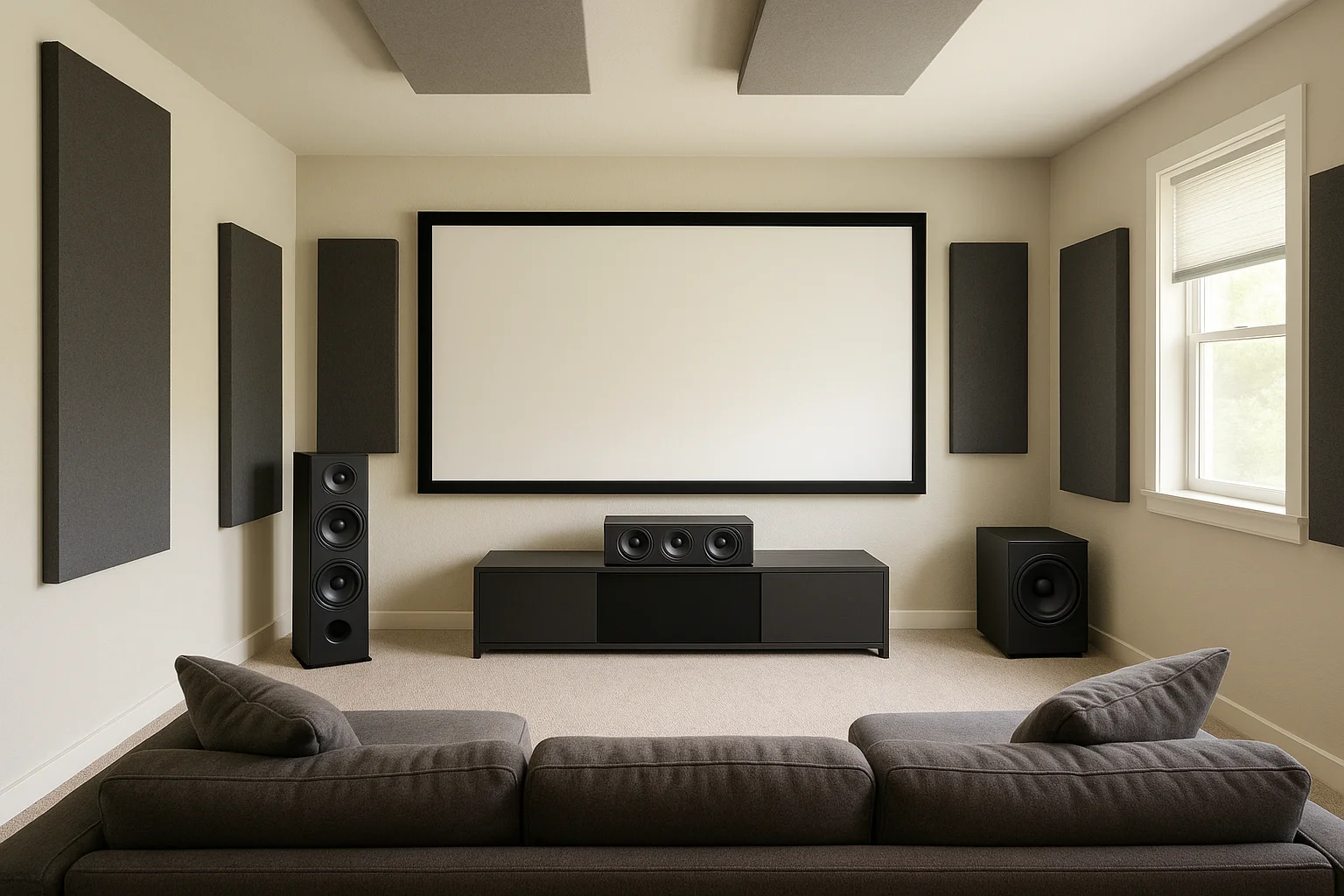
Soundproofing prevents your theater from disturbing other rooms and stops outside noise from ruining quiet movie scenes. This work costs $2,000 to $15,000+ and includes additional drywall layers, resilient channels, acoustic insulation, and sealed doors and windows. You need soundproofing most when your theater shares walls with bedrooms or sits above occupied spaces.
Saving on home theater installation without cutting quality
Smart cost management lets you reduce your home theater installation cost without sacrificing performance or longevity. You achieve this by focusing your budget on elements that deliver lasting value while finding practical savings on areas that matter less to your overall experience. The key involves understanding which components affect quality most and which offer flexibility for economical choices.
Invest heavily in permanent components
Your speakers and screen deserve the bulk of your equipment budget because they last 15 to 20 years or more with proper care. Buying quality speakers now saves you from replacing underwhelming equipment in three years when you realize they can't handle your room properly. Spend less on your receiver or media player since you'll upgrade these components multiple times during your speakers' lifespan.
Acoustic treatments cost less than premium equipment but improve your system's performance more than most upgrades. You get better sound from mid-range speakers in a treated room than from expensive speakers fighting poor acoustics. Prioritize absorption panels and bass traps over incremental projector upgrades.
Investing in quality speakers and proper acoustic treatment delivers better long-term value than spending the same money on cutting-edge video technology that becomes outdated quickly.
Handle simple tasks yourself
Basic room preparation like painting, moving furniture, and organizing cable paths reduces your installer's billable hours without affecting installation quality. You save $500 to $1,500 in labor by completing these tasks before professionals arrive. Leave technical work like calibration and programming to experts who finish faster and get better results.
Shopping for your own equipment sometimes costs less than buying through your installer, though you lose package pricing and warranty coordination benefits. Compare prices carefully and factor in the convenience of having one point of contact for all issues.
Putting your plan into action
Your home theater installation cost becomes manageable when you break the project into clear steps and stick to your priorities. Start by getting written quotes from at least three qualified installers who can assess your specific room and needs. These quotes should detail equipment specifications, labor hours, and warranty coverage so you can compare options accurately.
Schedule consultations during your planning phase, not after you've already purchased equipment or started room modifications. Professional installers spot potential problems and suggest solutions that save money and improve results. They help you understand which upgrades deliver real value and which ones waste budget on features you won't use.
Your next step involves selecting an experienced integrator who understands both technical requirements and your vision for the space. Treasure Valley Solutions designs and installs custom home theater systems throughout the Boise area, from basic setups to luxury screening rooms. Contact our team to discuss your project, get accurate pricing for your specific situation, and start building the theater you'll actually enjoy using.
Need Expert Help?
Ready to implement these solutions in your own home or business?
Our Services

Home theater design and installation planned around your room, viewing goals, and equipment scope.
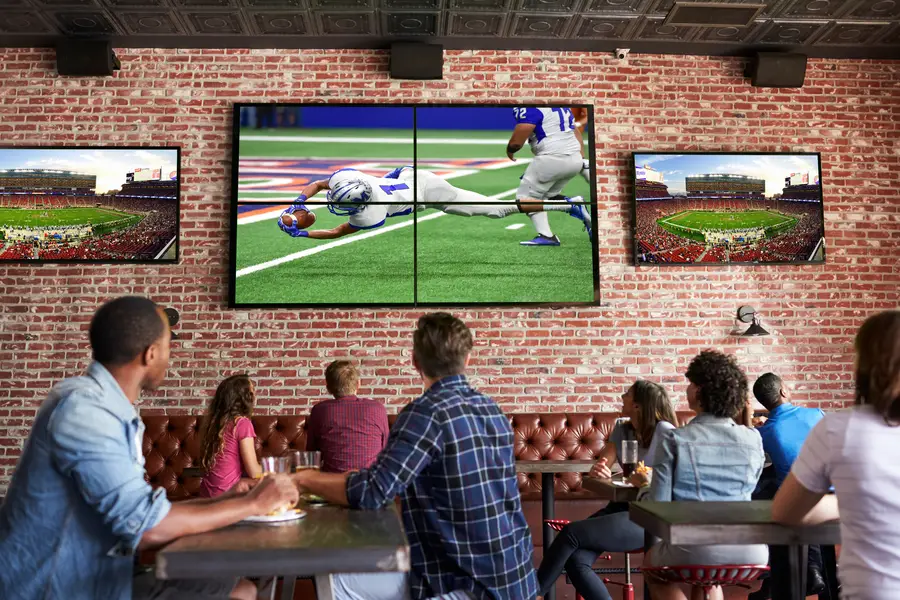
Expert TV Mounting Treasure Valley Homeowners & Businesses Trust
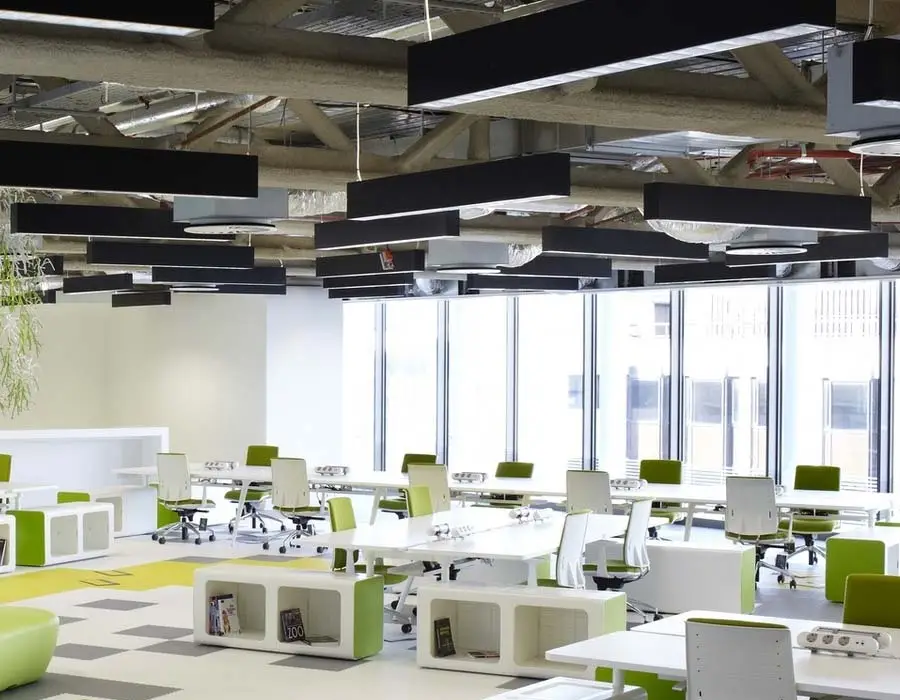
Explore whole-home audio, commercial sound, Sonos setup, and surround sound installation in the Treasure Valley.

Complete home automation and control.
Serving the Treasure Valley
Local installation in your city