 (208) 991-3502
 Meridian, ID


Image and recording
Identify poor views, night performance, recording gaps, playback problems and remote access needs.

Assessment before replacement
Assess older security cameras, recording equipment and cabling before planning a camera system upgrade in Boise and the Treasure Valley.
A practical local assessment. No assumed camera count, retention promise, or one-size-fits-all package.
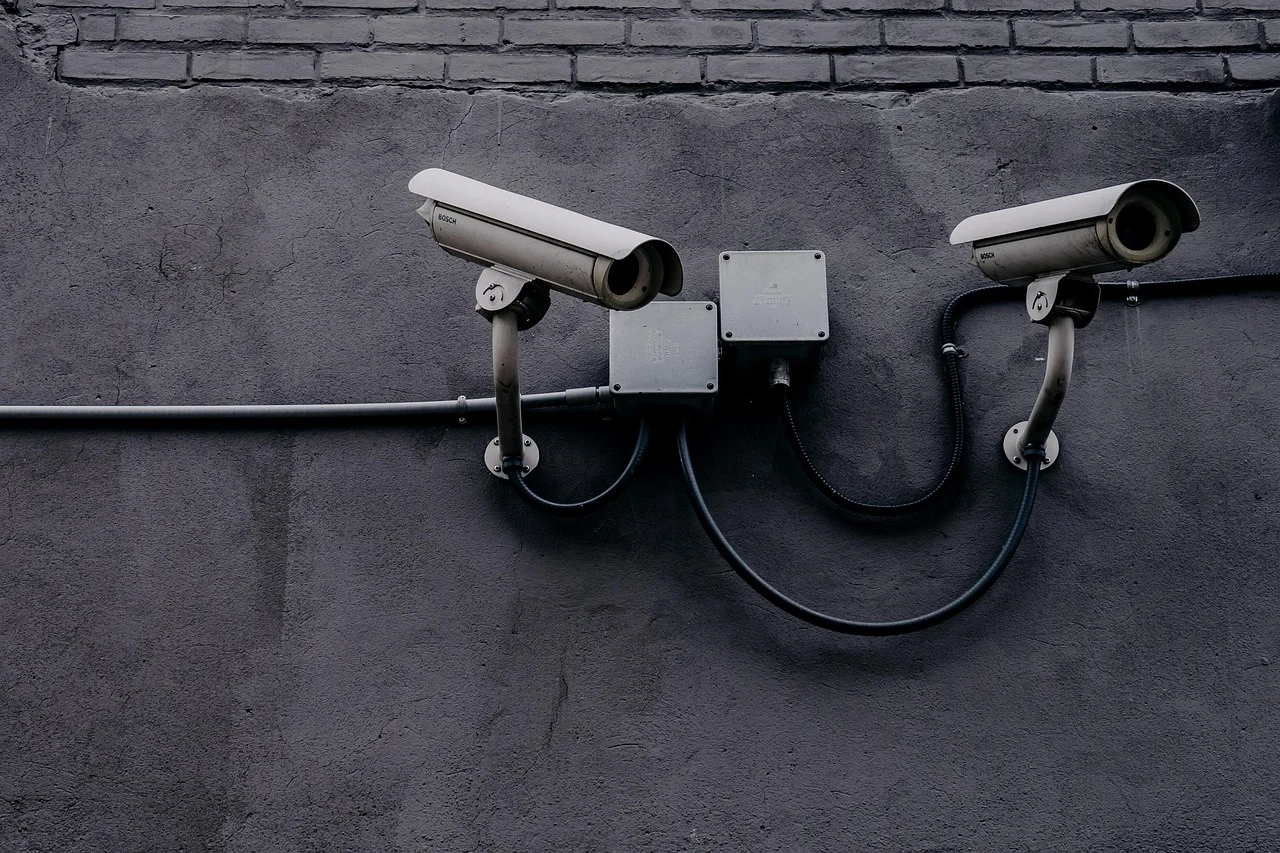
Know what you have before you replace it
Poor images, missed recordings, unreliable remote viewing or aging equipment do not automatically mean every component must go. We assess the cameras, recording equipment, cabling and network together, then compare a staged replacement with expansion or a more complete change.
Identify poor views, night performance, recording gaps, playback problems and remote access needs.
Document the existing camera types and the practical options for the intended image quality and operation.
Check cable type, route and length where known, physical condition, termination and test results.
Review available channels, storage, supported protocols, current load and relevant firmware.
Check PoE and switching capacity, connectivity and coordination needs with the site's IT contact.
Compare targeted replacement, expansion and broader replacement based on compatibility and priorities.
Existing equipment or cable is not assumed reusable. Compatibility and condition must be confirmed on site.
A measured next step
Tell us what is failing or what you want to improve. A local assessment can establish which pieces are candidates to remain, what must change and what needs further testing.
Possibly, but it must be inspected and tested. Cable type, length, physical condition, termination quality, and compatibility with the proposed cameras and recorder all matter. We do not assume existing cabling can be reused until assessed.
A change from analog to IP is one option, but the right path depends on the existing cameras, cable plant, recorder, network, and desired image quality. An assessment can compare a staged replacement with expansion or a broader system change.
We review recorder channel capacity, supported camera protocols, firmware and software status, current storage, camera operation, recording playback, and the cabling and network path. The findings help clarify what can stay, what needs replacement, and what remains uncertain.
Often the scope can be planned in phases, such as replacing critical cameras first and expanding later. The recorder and network must support the intended mix, and phased work is recommended only after compatibility and operating needs are understood.
Share the camera and recorder brands or model numbers, approximate camera count, known cable type, areas with poor images or recording gaps, desired retention, and any known network or access-control requirements. Photos of the recorder labels and a simple site sketch are useful if available.