 (208) 991-3502
 Meridian, ID



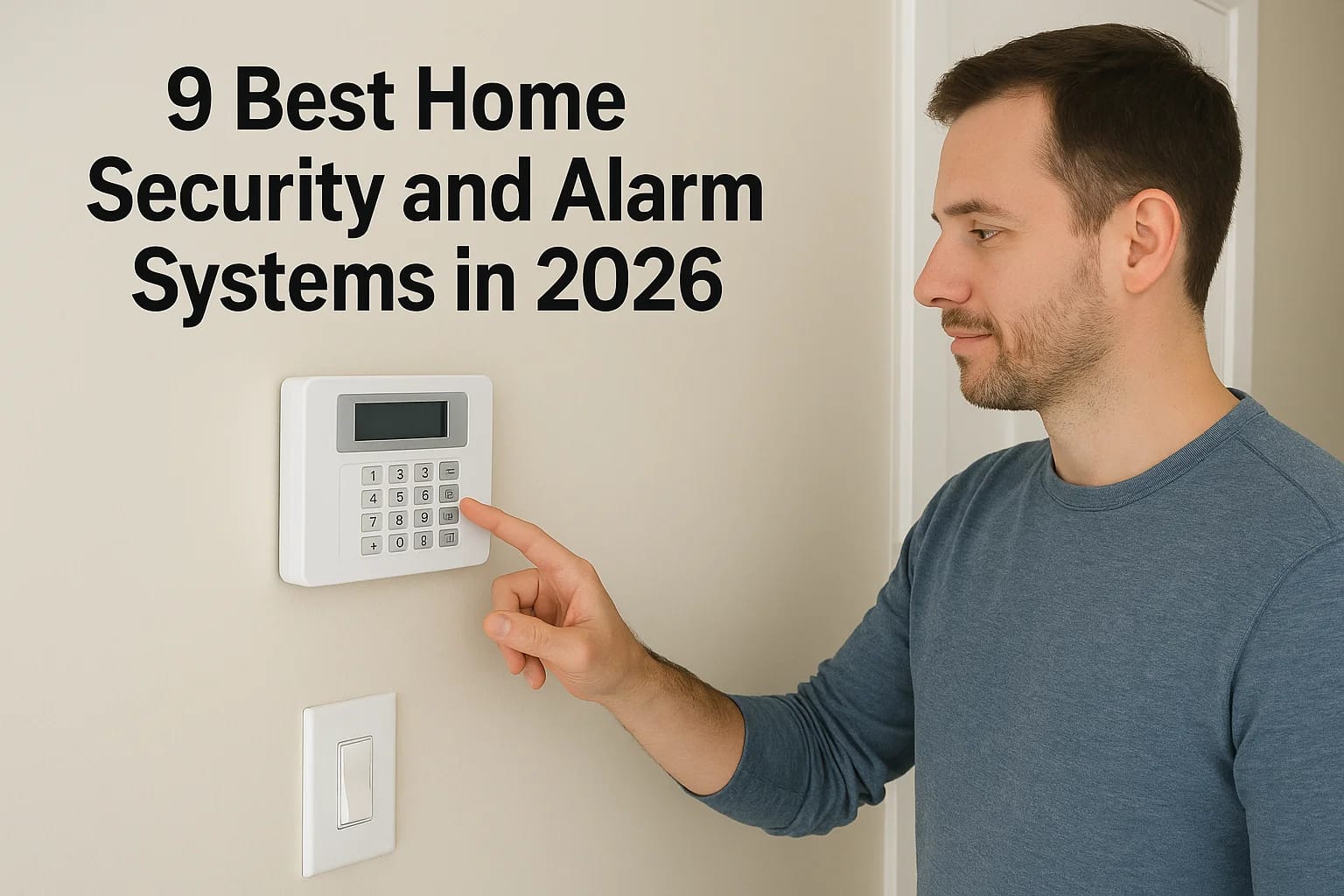

You want your home protected, but the options for home security and alarm systems keep multiplying every year. DIY cameras, professionally monitored panels, video doorbells, smart locks. Each brand pr...
You want your home protected, but the options for home security and alarm systems keep multiplying every year. DIY cameras, professionally monitored panels, video doorbells, smart locks. Each brand promises to be the smartest choice, and most homeowners in Boise, Meridian, Eagle, and Nampa just want a straight answer about what actually works.
This guide gives you that answer. We break down the nine best systems available in 2026, covering monitoring options, equipment quality, and pricing, so you can match a system to your home instead of guessing. Whether you rent an apartment or own a five-bedroom house on an acre lot, the right setup looks different, and we point out those differences clearly.
As a technology integrator that has installed and serviced security systems across the Treasure Valley since 2014, we've seen which products hold up and which ones create headaches after the sales pitch ends. Below, you'll find honest comparisons built on real installation experience, plus guidance on when a professionally installed system beats a boxed DIY kit for lasting protection.
1. Treasure Valley Solutions – custom Idaho security systems
If you live anywhere in Boise, Meridian, Eagle, or Nampa and want a security system that's actually designed for your house instead of pulled off a shelf, Treasure Valley Solutions is the local option worth calling first. We're not a national call center reading from a script. We're the technicians who show up, walk your property, and build a system around how you actually use your space. Since 2014, that approach has made us the go-to choice for homeowners who want home security and alarm systems that integrate cleanly with lighting, audio, and smart locks rather than sitting as a separate gadget bolted onto the wall.
How it works
Every project starts with an in-home consultation, not a sales call. A licensed technician reviews your entry points, existing wiring, Wi-Fi coverage, and any specific concerns like a detached shop, a rental unit, or an aging parent living with you. From there, we design a custom camera and sensor layout, handle the wiring and mounting, and program the whole system so it works the way you expect from day one. Because we're local, follow-up visits and adjustments happen fast, usually within a day or two, not after weeks on a support queue.
A security system only works if it's designed for your actual home, not a generic floor plan.
Key features
Our systems are built from professional-grade components and configured around your priorities, not a fixed package. Common builds include:
- Professionally installed cameras with clean wiring, proper placement, and night vision tuned for your property's lighting
- Smart lock and access control integration for families, rental properties, or anyone managing multiple entry points
- Whole-home automation ties, so lighting, locks, and cameras respond together during an alarm event
- Elderly care technology, including fall detection sensors and voice-activated emergency controls for aging-in-place households
- Ongoing local support, including reprogramming, troubleshooting, and system expansions as your needs change
Pricing
Because every system is custom, we don't publish a single flat price, and honestly, any company that does is probably selling you features you don't need. Pricing depends on the number of cameras, sensors, wiring complexity, and how deeply you want everything integrated. Here's a rough guide based on typical Treasure Valley installations:
| Project type | Typical scope | Approximate range |
|---|---|---|
| Basic camera + entry sensors | 4 cameras, 2 door/window sensors | $1,200–$2,000 |
| Mid-size home system | 6–8 cameras, smart locks, alarm panel | $2,500–$4,500 |
| Full smart home integration | Cameras, locks, lighting, automation, elderly care sensors | $5,000–$9,000+ |
We always provide a written quote before any work starts, so there's no guessing what you'll owe once installation wraps up.
Best for
This option makes the most sense for homeowners who want a system built around their actual property rather than a generic package, and for anyone who values having a real local team to call when something needs adjusting. It's also the right fit for property managers juggling multiple units, families supporting an elderly parent at home, and builders who want pre-wiring done right the first time. If you've been burned by a DIY kit that never quite worked right, or you're tired of national providers who outsource support overseas, this is where a professionally installed system earns its cost back in reliability.
2. ADT – best for professional monitoring
ADT has been in the security business since 1874, and that longevity shows up in the sheer size of its monitoring network. Nationwide brand recognition makes it the name most homeowners think of first, and for people who want a household name backing their alarm response, that reputation carries real weight. It's also one of the few providers with monitoring centers spread across multiple states, so if one center goes down during a regional outage, another picks up the call.
How it works
A technician installs your sensors, cameras, and control panel, then ties everything into ADT's professional monitoring centers. When an alarm trips, a live agent reviews the signal and contacts you, then dispatches police, fire, or medical response if you don't answer or confirm it's a false alarm. Most contracts require professional installation rather than a self-install option, which means scheduling around an installer's availability.
Key features
ADT builds its packages around a few core strengths:
- 24/7 professional monitoring with redundant call centers
- Battery and cellular backup so the system stays online during power or internet outages
- Optional smart home add-ons, including video doorbells and smart locks
- Mobile app control for arming, disarming, and viewing camera feeds remotely
Professional monitoring only matters if a real person answers fast, and ADT's redundant call centers are built for exactly that.
Pricing
ADT typically requires a contract, often 36 months, with monitoring plans ranging from around $28 to $60+ per month depending on the equipment tier and add-ons like video verification. Equipment costs vary based on the package, and some promotions bundle installation for a reduced upfront fee. Expect an early termination fee if you cancel before the contract ends, which is worth reading closely before you sign.
Best for
ADT suits homeowners who want established, professional monitoring and don't mind a longer contract in exchange for a recognized name and wide service network. It's a solid fit if you travel often and want confidence that a trained agent, not just an app notification, is watching your home. If you'd rather avoid long-term contracts or want equipment tailored to your specific layout, keep reading, because the next few options handle that differently.
3. SimpliSafe – best for deterring intruders
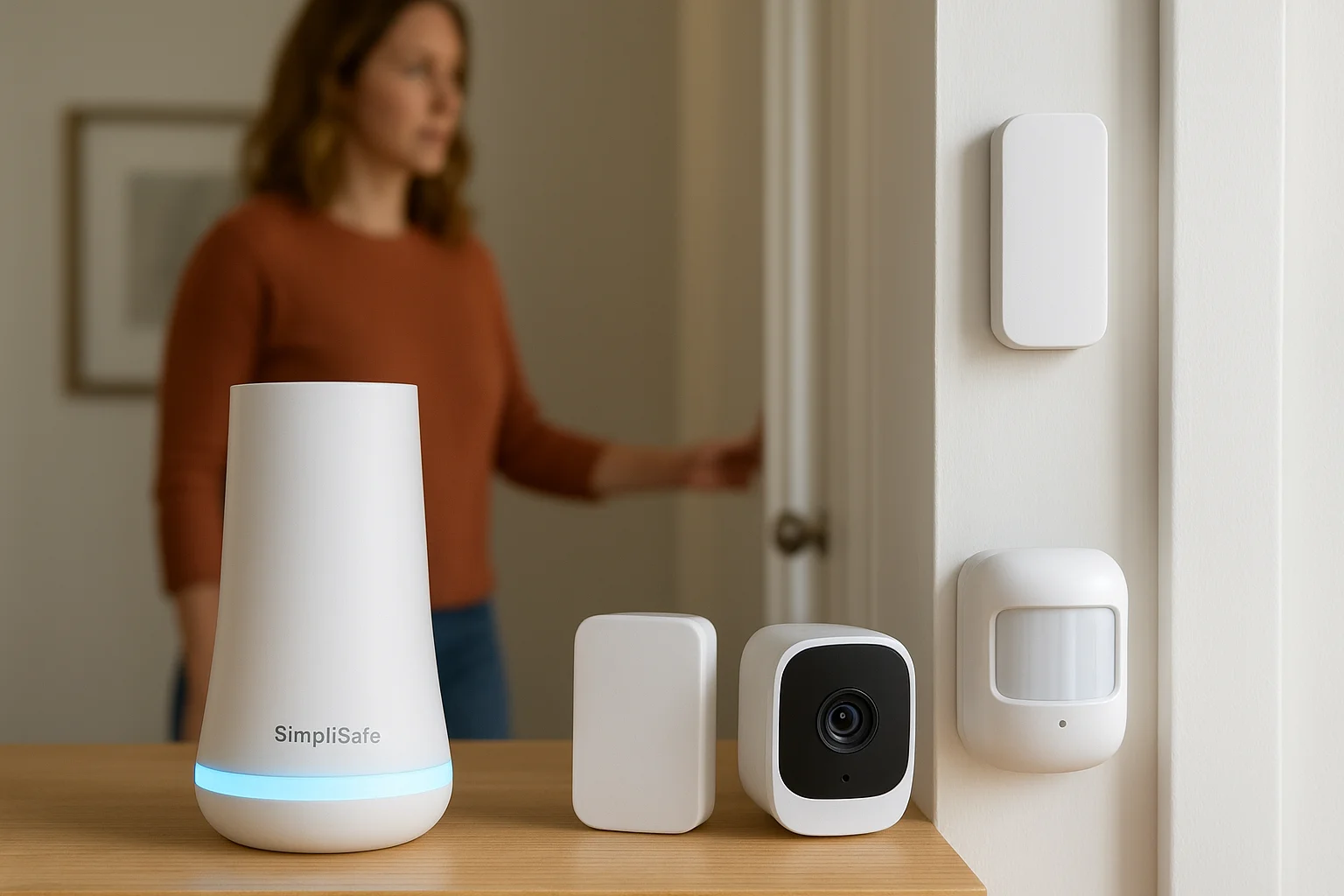
SimpliSafe built its reputation on being simple to buy, simple to install, and loud enough to scare off anyone testing your doors at 2 a.m. It's a DIY security system you order online, set up yourself in an afternoon, and activate monitoring without signing a long-term contract. For renters or homeowners who want protection now without scheduling an installer, that's a real advantage over the ADT-style approach we just covered.
How it works
You place base stations, entry sensors, and cameras yourself using peel-and-stick mounts, then pair everything through the SimpliSafe app. The system connects to a cellular backup, so it keeps working even if someone cuts your Wi-Fi or power. Once armed, a loud 95-decibel siren sounds immediately on trigger, which studies on burglar behavior consistently show is one of the fastest ways to make an intruder leave before doing damage.
A loud siren that sounds the instant a door opens does more to stop a burglary than any camera reviewed after the fact.
Key features
SimpliSafe packages focus on fast deterrence and flexible coverage rather than deep smart home integration:
- Instant 95-decibel siren triggered on entry, no delay required
- Wireless, battery-powered sensors that install without wiring
- Optional professional monitoring with police, fire, and medical dispatch
- Outdoor and indoor cameras with AI-based person detection
- No long-term contract required for monitoring plans
Pricing
Starter kits typically run $200 to $500 depending on the number of sensors and cameras included, paid upfront with no financing required. Monitoring plans range from about $20 to $30 per month, billed monthly with no contract lock-in, so you can cancel anytime without an early termination fee. That pricing structure makes SimpliSafe noticeably cheaper long-term than contract-based providers, assuming you're comfortable handling installation yourself.
Best for
SimpliSafe fits renters, apartment dwellers, and budget-conscious homeowners who want a functional alarm fast without committing to a contract or an installer visit. It also works well as a starter system for a smaller home where a handful of entry points cover most of the risk. If your property has multiple buildings, complex wiring needs, or you want everything tied into existing smart locks and lighting, a self-install kit like this will hit its limits quickly, and that's where a custom-designed system earns its keep instead.
4. Vivint – best for smart home automation
Vivint sits at the opposite end of the spectrum from SimpliSafe. Instead of a DIY kit you set up yourself, Vivint sends a professional installer to build out a full smart home ecosystem around your security system. Cameras, locks, thermostats, lighting, and garage door control all live in one app, which makes Vivint the closest national competitor to the kind of custom integration we build here at Treasure Valley Solutions, just delivered through a corporate installer model instead of a local team.
How it works
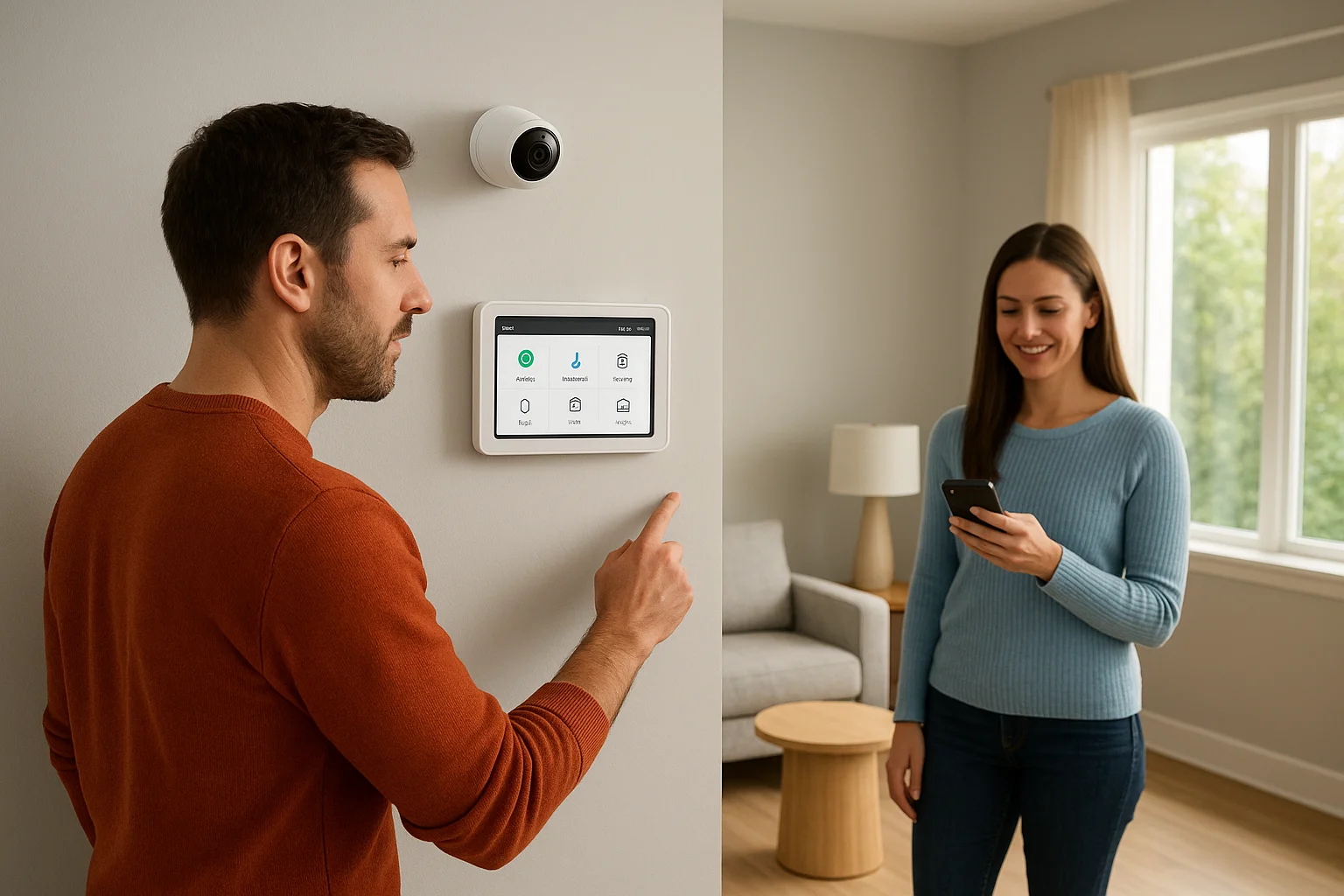
A Vivint technician visits your home, maps out camera placement and sensor locations, and installs everything professionally rather than leaving it to you. The system runs on Vivint's own smart hub, which connects sensors, cameras, and smart home devices into a single control panel and app. Monitoring runs through Vivint's centers 24/7, and the platform leans heavily on AI-powered camera analysis to flag package theft, unfamiliar faces, or vehicles lingering in your driveway.
Key features
Vivint's strength is depth of integration rather than simplicity:
- Smart home hub controlling locks, thermostats, lighting, and garage doors alongside security
- AI-driven camera alerts for people, vehicles, and packages
- Professional installation included with every system
- Voice control compatibility with Amazon Alexa and Google Assistant
- Optional car guard sensors for driveway and garage monitoring
A security system that also runs your thermostat and locks earns its place on the wall instead of just guarding it.
Pricing
Equipment costs run $600 to $4,000+ depending on the package, and Vivint typically finances that cost into a monthly bill alongside monitoring. Monitoring plans range from roughly $30 to $45 per month, often bundled into a contract of 42 to 60 months. Financing keeps upfront costs low, but it also means you're locked into payments for years, which is worth factoring into the total cost before signing.
Best for
Vivint fits homeowners who want one app controlling security, climate, lighting, and locks together and don't mind paying a premium for that convenience. It suits busy households that value automation over hands-on setup. If you'd rather own your equipment outright or avoid a multi-year contract, a locally installed custom system gives you similar integration without the same financial commitment.
5. Cove – most affordable DIY system
Cove built its entire pitch around low cost without cutting corners on core protection. It's a DIY security system that ships straight to your door, skips the salesperson entirely, and keeps monthly monitoring fees lower than almost anything else on this list. For homeowners who want basic coverage without spending much upfront or long-term, Cove is worth a serious look.
How it works
You order sensors and cameras online, choosing exactly what your home needs during checkout. Everything arrives pre-configured, so you peel, stick, and pair devices through the Cove app without drilling or wiring. The system runs on cellular backup by default, meaning it stays connected even if someone cuts your internet or power. Cove also offers a 60-day risk-free trial, letting you test the setup before committing to ongoing monitoring.
Key features
Cove keeps its lineup simple and focused on essentials rather than a sprawling smart home ecosystem:
- Cellular backup included standard, not as a paid add-on
- Peel-and-stick sensors requiring zero tools or drilling
- 60-day trial period with full refund if you cancel
- No long-term contract required for monitoring
- Optional touchscreen panel for local arming and disarming
Cellular backup shouldn't be a luxury upgrade, and Cove treats it as a baseline instead of an upsell.
Pricing
Starter equipment typically costs $150 to $400, depending on how many sensors and cameras you add to the kit. Monitoring runs about $20 to $25 per month, billed month to month with no early termination fee if you decide to cancel. That combination puts Cove's total first-year cost noticeably below most competitors on this list, especially compared to contract-heavy providers like ADT or Vivint.
Best for
Cove suits budget-conscious homeowners and renters who want dependable basic coverage without paying for features they'll never use. It works especially well for smaller homes, condos, or a first apartment where a handful of sensors cover the main entry points. If your property includes multiple structures, complex access control needs, or you want deeper smart home integration, Cove's simplicity becomes a limitation rather than an advantage.
6. Frontpoint – best customer support
Frontpoint built its name on service quality rather than flashy hardware. It's a DIY security system you install yourself, similar to SimpliSafe or Cove, but the company backs every purchase with support staff who actually know the equipment inside and out. If you've ever sat on hold with a big-box provider trying to explain a false alarm, Frontpoint's approach feels like a relief. Homeowners who want a self-install kit but still expect a real person to walk them through setup tend to land here.
How it works
You order equipment online, choose your sensors and cameras based on a guided consultation, and install everything yourself using wireless, peel-and-stick hardware. Frontpoint pairs every order with a dedicated onboarding call, where a technician walks you through placement and pairing step by step instead of leaving you with a manual. Once active, the system runs on cellular connectivity by default, and monitoring alerts route through Frontpoint's 24/7 centers.
Key features
Frontpoint's lineup emphasizes support and reliability over sheer feature count:
- Live onboarding support included with every order, not an upsell
- Cellular-based monitoring standard across all plans
- Crash-and-smash protection, so the panel keeps signaling even if it's destroyed
- 30-day money-back guarantee on equipment
- Mobile app with real-time alerts and video verification
The best security equipment means little if support disappears the moment something goes wrong, and Frontpoint built its reputation on staying reachable.
Pricing
Starter kits typically run $100 to $600, depending on sensor and camera count, purchased outright with no financing needed. Monitoring plans range from about $35 to $50 per month, and while some plans require a one-year commitment, Frontpoint doesn't lock most customers into the multi-year contracts common with ADT or Vivint. That pricing sits in the mid-range compared to the rest of this list, reflecting the added support layer.
Best for
Frontpoint suits first-time security buyers who want hand-holding during setup without paying for a professional installer visit. It also fits homeowners who've had a bad support experience elsewhere and specifically want a company known for answering the phone quickly. If your home needs complex wiring, multiple structures, or deep smart home integration, though, a self-install kit with phone support still won't match what a locally installed custom system delivers.
7. Brinks Home Security – best smart home integrations
Brinks Home Security has quietly built one of the strongest professional monitoring networks in the industry, and it pairs that with equipment designed to play nicely with third-party smart home gear. Where Vivint locks you into its own ecosystem, Brinks Home Security leans on open compatibility, letting you fold in devices you may already own instead of replacing everything from scratch. That flexibility makes it a standout for homeowners who've already invested in smart lighting or locks and don't want to start over.
How it works
A professional technician installs your panel, sensors, and cameras, then configures the system to talk to compatible smart home devices already in your home. The touchscreen panel acts as the hub, running on Alarm.com's platform, which powers the mobile app, automation rules, and remote arming. Monitoring runs through Brinks' 24/7 centers, and the system keeps working on cellular backup if your internet or power drops.
Key features
Brinks focuses on tying security into a broader smart home setup rather than treating it as a standalone box:
- Alarm.com integration for smart locks, thermostats, garage doors, and lighting
- Professional installation included with every equipment package
- Video doorbell and outdoor camera options with real-time alerts
- Geofencing that arms or disarms the system based on your phone's location
- Voice control through Amazon Alexa and Google Assistant
A security system that plays well with the smart devices you already own saves you from ripping out gear that still works fine.
Pricing
Equipment packages typically run $200 to $600 upfront, though some promotions reduce that cost if you commit to a longer monitoring term. Monitoring plans range from about $30 to $47 per month, and most contracts run 36 to 60 months, similar to ADT's structure. Canceling early usually triggers a termination fee, so read the contract terms before signing rather than after.
Best for
Brinks fits homeowners who already own smart locks, thermostats, or lighting and want a security system that connects to that gear instead of forcing a new ecosystem on them. It also suits anyone comfortable with a longer contract in exchange for professional installation and dependable monitoring. If you'd rather avoid a multi-year commitment altogether, the next option on this list handles monitoring without locking you in.
8. Abode – best no-contract monitoring
Abode built its system for homeowners who want professional-grade coverage without ever signing a contract, and it works equally well as a self-install kit or a hybrid setup with optional professional installation. Where SimpliSafe and Cove target budget buyers, Abode targets people who want flexibility above everything else, including the freedom to switch monitoring on and off month to month or skip it entirely and self-monitor through the app.
How it works
You set up the Abode Gateway hub yourself, then pair door and window sensors, cameras, and motion detectors through the app using peel-and-stick mounts. The hub supports both Wi-Fi and cellular backup, so it keeps working during an outage. From there, you choose your monitoring level: self-monitor for free using push notifications, or add professional monitoring on a month-to-month basis whenever you want a live agent watching alerts and dispatching help.
Key features
Abode's biggest draw is the ability to change your mind without financial penalty:
- Month-to-month monitoring, cancel anytime with no early termination fee
- Free self-monitoring option with no subscription required at all
- Broad smart home compatibility, including Apple HomeKit, Google Assistant, and Zigbee devices
- Geofencing that arms or disarms automatically based on your phone's location
- Optional professional installation for homeowners who'd rather skip DIY setup
Real flexibility means monitoring you can turn off next month without owing a cancellation fee.
Pricing
Starter kits typically run $160 to $400, depending on sensor and camera count, purchased outright with no financing needed. Professional monitoring costs about $20 to $40 per month, billed month to month, while self-monitoring remains free indefinitely if you're comfortable handling alerts yourself. That structure puts total ownership cost lower than most contract-based providers on this list, assuming you don't need a technician for installation.
Best for
Abode suits homeowners who want to control their monitoring commitment without being locked into a year or more of payments. It also fits tech-savvy users who already run a smart home hub and want a security system that plugs into it rather than replacing it. If you'd rather have a technician design and install everything for you, though, a professionally built system still delivers more peace of mind long-term.
9. Ring Alarm – best video security and doorbells
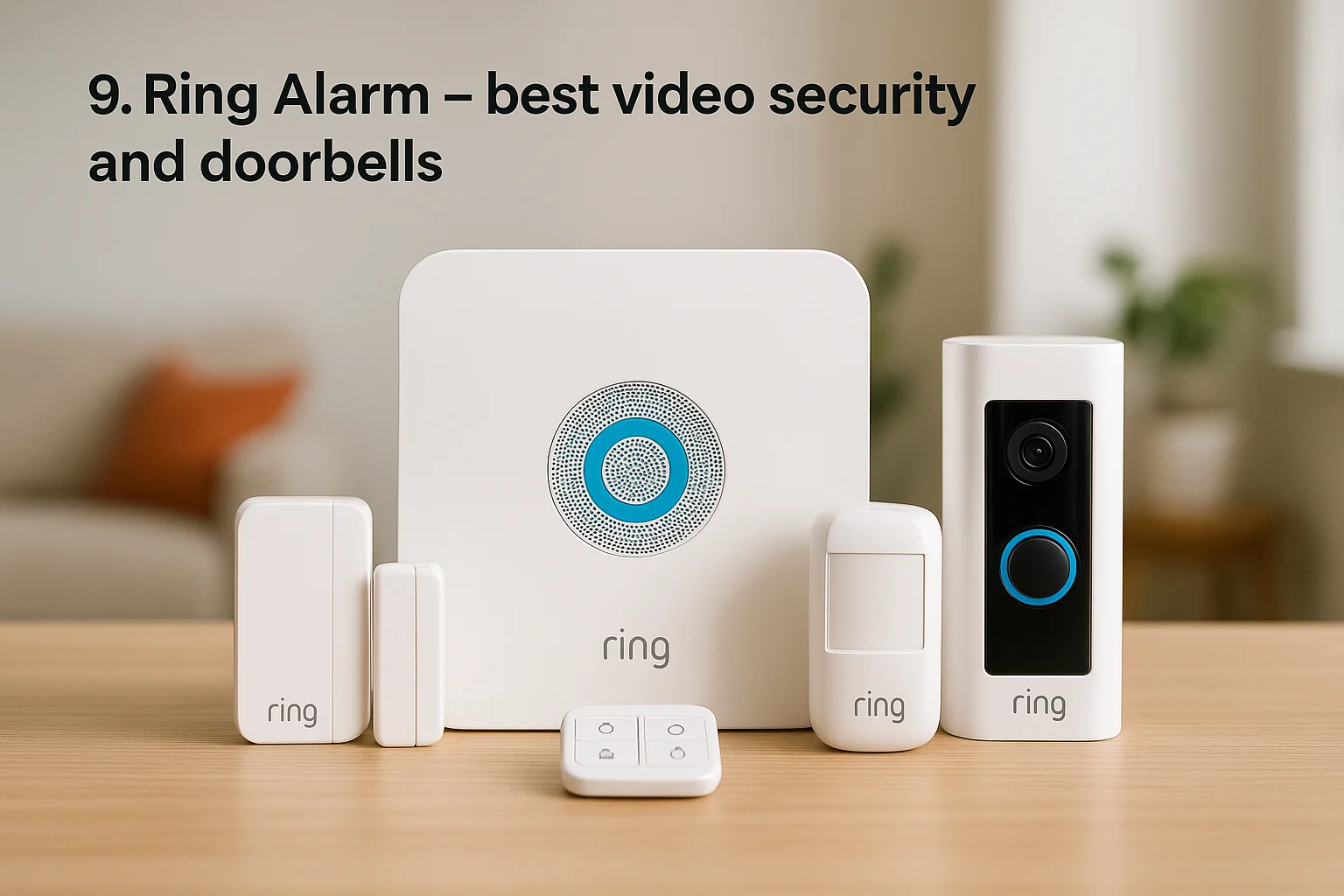
Ring built its reputation on the video doorbell, and that same camera-first philosophy carries through its whole alarm lineup. If you already own a Ring doorbell or camera, adding Ring Alarm feels like the obvious next step rather than a new purchase decision. It's a DIY system that connects tightly with Amazon's ecosystem, giving you video verification alongside traditional entry sensors instead of treating cameras as an afterthought.
How it works
You set up the base station yourself, then pair door and window sensors, motion detectors, and any Ring cameras or doorbells through the Ring app. The system runs on Wi-Fi with optional cellular backup, and every alert arrives with a video clip attached, not just a text notification. Arming and disarming happens through the app or a keypad, and Amazon's Alexa integration lets you control the system by voice if you already run Echo devices.
Key features
Ring's lineup centers on visual confirmation of every event rather than sensors alone:
- Video-linked alerts showing footage the moment a sensor trips
- Broad compatibility with Ring doorbells, floodlight cams, and indoor cameras
- Optional 24/7 professional monitoring through Ring Protect plans
- Alexa voice control for arming, disarming, and camera viewing
- Self-monitoring available at no monthly cost
A sensor tells you a door opened, but a camera clip tells you who opened it.
Pricing
Starter kits typically run $200 to $350, and self-monitoring costs nothing beyond the equipment purchase. Professional monitoring through Ring Protect Plus runs about $20 per month with no contract required, while Ring Protect Pro adds cellular backup and extended video storage for roughly $20 more monthly. That pricing keeps Ring competitive with SimpliSafe and Cove, especially for households already invested in Ring cameras.
Best for
Ring Alarm fits homeowners who already use Ring doorbells or cameras and want their alarm system to share the same app and footage. It also suits renters and budget buyers who want strong video coverage without a contract. If your home needs professional wiring, multiple structures covered, or integration beyond Amazon's ecosystem, a custom-installed system still offers more room to grow.
10. How to choose the right home security system
Picking between nine solid options comes down to matching the system to how you actually live, not which brand has the flashiest ad. Start by walking your property the way a burglar would: count entry points, note blind spots, and think about whether one building or several need coverage. Property size and layout should drive your decision before price or brand name enters the conversation.
DIY versus professional installation
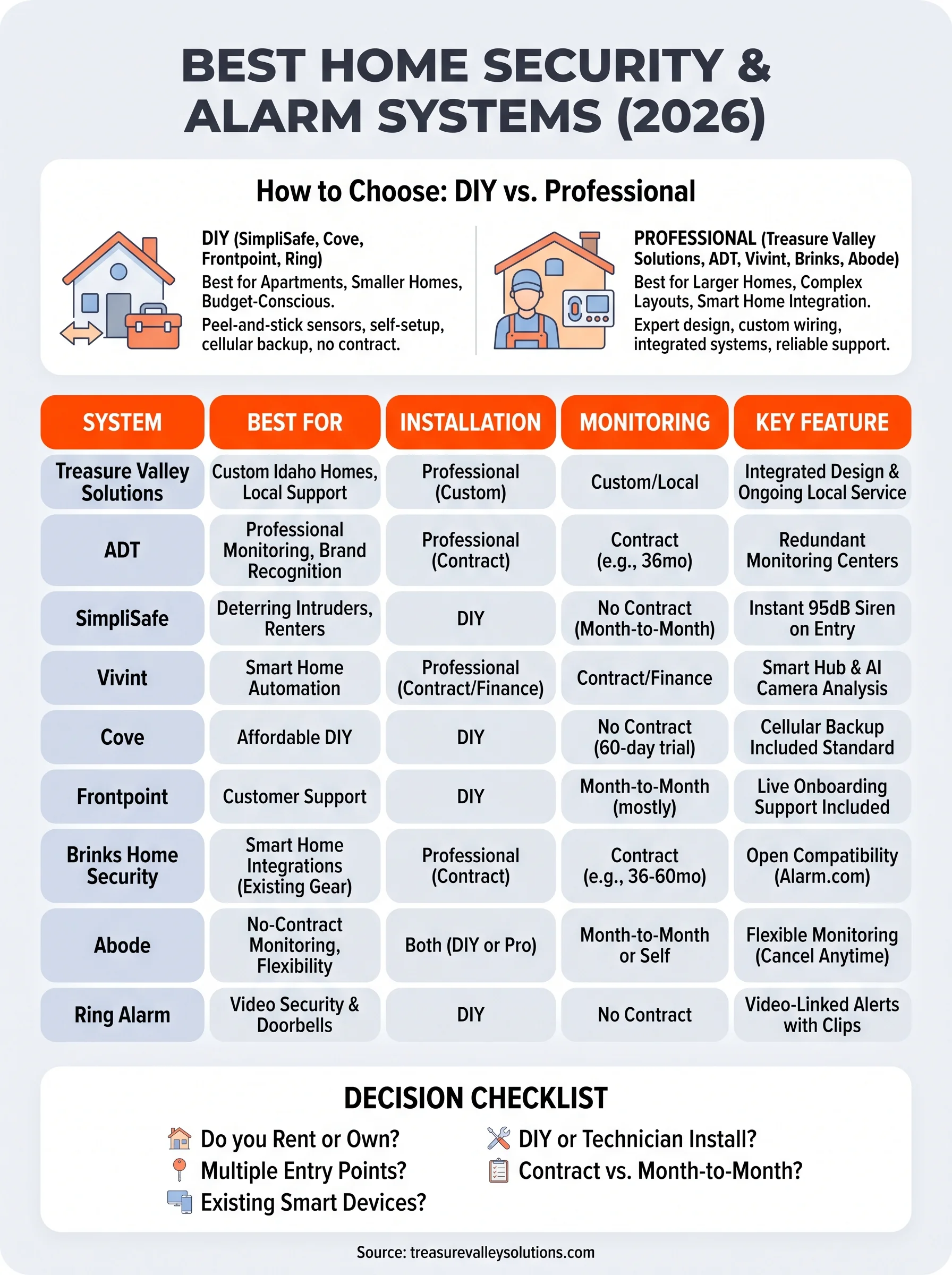
Self-install kits like SimpliSafe, Cove, and Ring work well for apartments, condos, and smaller homes with straightforward wiring needs. Professionally installed systems, including Vivint, Brinks, ADT, and our custom builds at Treasure Valley Solutions, make more sense once you're dealing with multiple structures, existing wiring you want tied in cleanly, or smart home devices that need to talk to each other reliably.
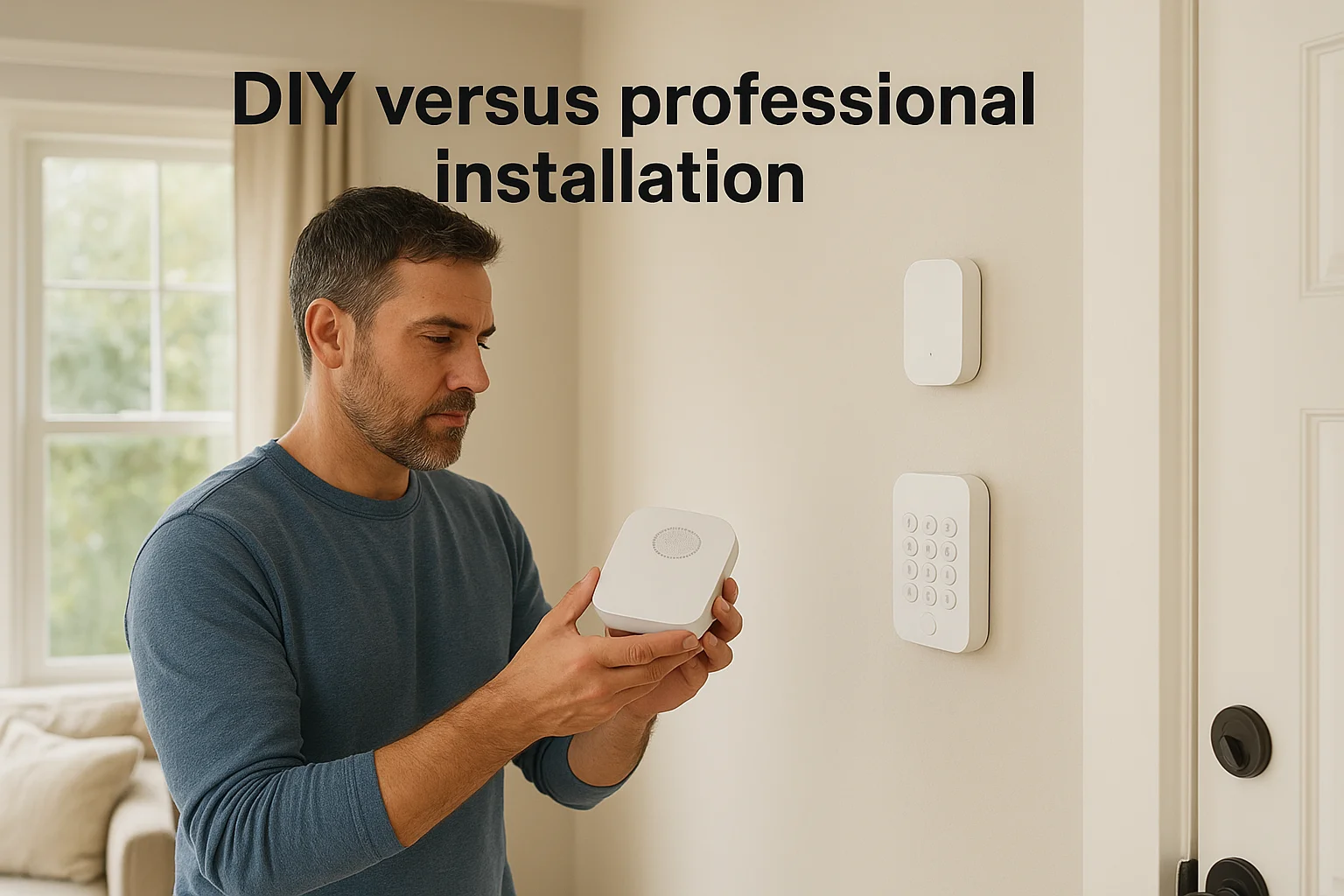
The right question isn't which brand is best, it's which installation approach fits how complicated your property actually is.
Contracts, fees, and total cost
Run the real math before signing anything. A cheap upfront kit with a high monthly fee can cost more over three years than a pricier system with no contract. Compare these factors side by side:
| Factor | Watch for |
|---|---|
| Contract length | 12-month vs. 36-60 month lock-in |
| Early termination fee | Often $150-$300+ if you cancel early |
| Monitoring cost | $20-$50/month range across providers |
| Equipment ownership | Owned outright vs. financed into contract |
A quick decision checklist
Use this list to narrow your options fast:
- Do you rent, or do you own and plan to stay long-term?
- Does your property have multiple buildings or entry points?
- Do you already own smart locks, lighting, or a video doorbell?
- Would you rather install it yourself or have a technician handle it?
- Are you comfortable with a multi-year contract for a lower monthly rate?
Think through elderly family members, rental units, or a new build in the mix too, since those situations often need specialized configurations that a boxed kit can't cover well. Whatever you land on, get the total cost, contract terms, and cancellation policy in writing before equipment ships or an installer schedules a visit.
11. Common questions about home security and alarm systems
Homeowners researching home security and alarm systems tend to ask the same handful of questions before committing to a provider. Here are the ones we hear most often from Treasure Valley clients, along with straight answers based on years of installs.
Do I need a landline for a security system to work?
No. Nearly every system on this list, including our custom builds, runs on cellular backup instead of a landline. That's actually safer, since a landline can be cut from outside your home, while cellular connections keep signaling even if someone tampers with your phone or internet line.
Is DIY installation as reliable as professional installation?
DIY kits like SimpliSafe and Cove work fine for small apartments and straightforward layouts. Once you're dealing with multiple entry points, thick walls, or devices that need to talk to each other reliably, professional installation closes gaps that peel-and-stick sensors often miss, especially around wiring, placement, and Wi-Fi dead zones.
A system installed correctly the first time beats a cheaper one you'll troubleshoot for months.
Will a security system lower my homeowners insurance?
Usually, yes. Most insurers offer a discount, often 5% to 20%, for homes with monitored alarms and cameras. Ask your provider for a monitoring certificate once your system activates, since insurers typically require documentation before applying the discount.
What happens if my power or internet goes out?
Any system worth buying includes battery and cellular backup, so an outage won't leave your home unprotected. Confirm this before purchasing, since a few budget kits treat cellular backup as a paid add-on rather than a standard feature.
Can I switch providers if I move?
DIY systems travel with you easily since you own the equipment outright. Contract-based systems tied to a specific installation, like ADT or Brinks, sometimes require a new agreement at your next address, so check portability terms before signing a long-term contract if a move is likely in the next few years.
Protecting what matters most
Every system on this list can stop a break-in or catch a package thief on camera. The real difference comes down to fit. A DIY kit from SimpliSafe or Ring works fine for an apartment with two doors. A five-bedroom house with a detached shop, an aging parent, or three rental units needs something built around that reality, not a box pulled off a shelf.
That's the gap Treasure Valley Solutions fills for homeowners across Boise, Meridian, Eagle, and Nampa. We walk your property, design around your actual entry points and habits, and stick around for support after installation instead of routing you to a call center. No generic package, no guessing what you're paying for.
If you're ready to talk through what your home actually needs, reach out to our team and we'll walk your property, answer your questions, and put together a system built for how you really live.
Need Expert Help?
Ready to implement these solutions in your own home or business?
Our Services
High-definition surveillance for peace of mind.
Comprehensive security solutions for home and business.
Serving the Treasure Valley
Local installation in your city