 (208) 991-3502
 Meridian, ID



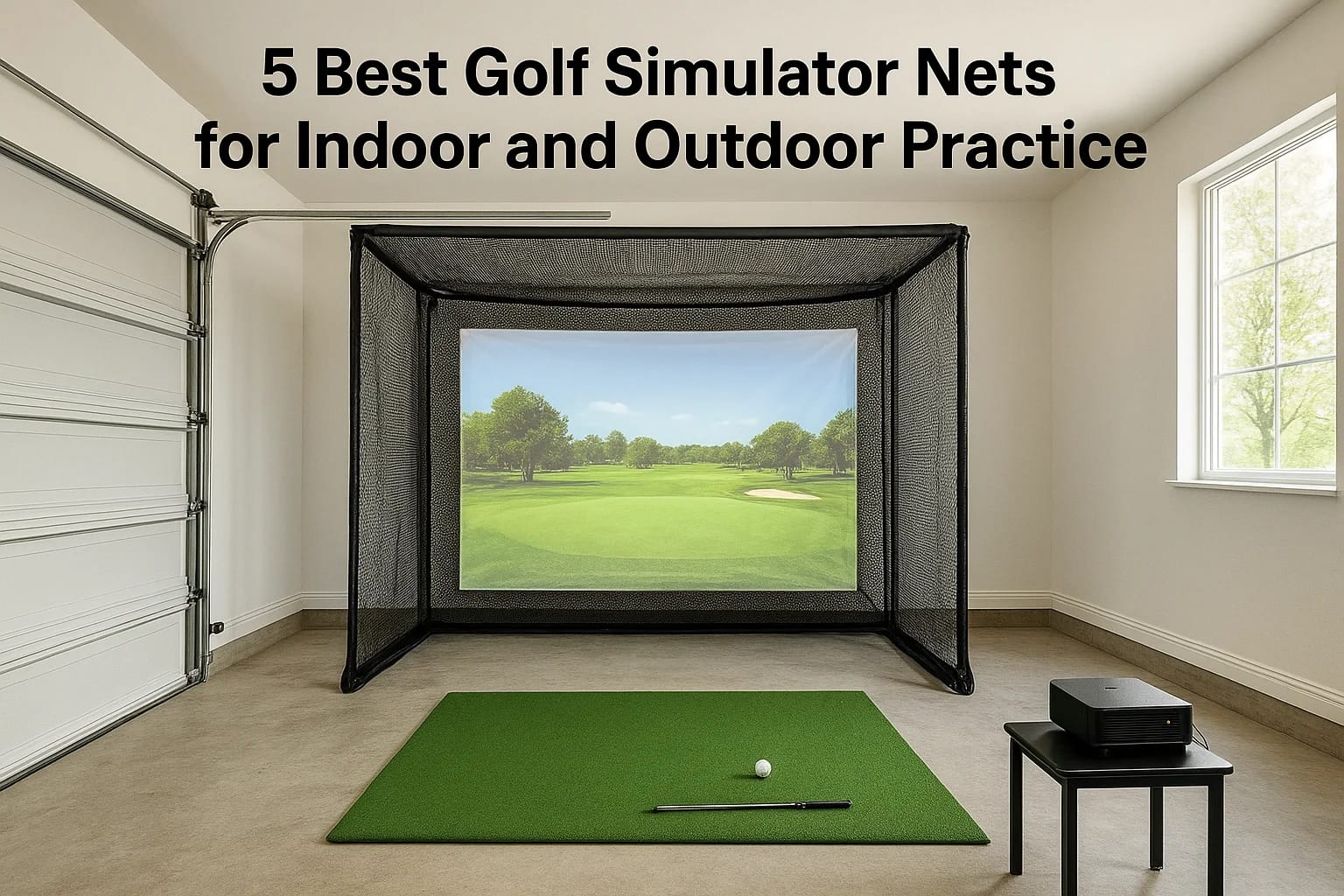

Buying a golf simulator net feels simple until you start comparing screens, frames, and price tags that range from $150 to $2,000. Get it wrong and you end up with a net that sags after ten sessions,...
Buying a golf simulator net feels simple until you start comparing screens, frames, and price tags that range from $150 to $2,000. Get it wrong and you end up with a net that sags after ten sessions, an impact screen that scorches with a real projector, or a frame too flimsy for a garage with an eight foot ceiling. That's a wasted weekend and a return shipment nobody wants to deal with.
This list solves that by narrowing the field to five nets that actually hold up, whether you're chipping in the backyard or building a full indoor practice bay in the basement. Each pick covers a different scenario: tight budgets, small garages, full enclosures with impact screens, and setups that need to survive outdoor wind and sun.
We pulled these recommendations from the same hands-on approach we use when we design home theater and AV spaces for Treasure Valley clients, where fit, durability, and how a system performs under real conditions matter more than spec sheets. You'll find honest notes on install time, screen quality for projection, and which options are worth the extra cost before you commit.
1. The Net Return golf nets
The Net Return has built its reputation on one thing: a net that actually stops the ball dead instead of letting it bounce back into your shins. Golfers who've tried cheaper nets know the difference immediately. The tensioned mesh and steel frame combination absorbs impact without the sag you get from bungee-style setups, which matters if you're hitting full shots with a driver rather than just chipping.
Key features
Ballistic netting rated for real swing speeds sits at the core of every model in the lineup. The frame uses powder-coated steel tubing that locks together without tools, and most models fold flat for storage between sessions. Their Pro Series adds a side barrier net, which stops mishit shots from flying into your garage shelving or your neighbor's yard.
A net that stops the ball cold, instead of letting it bounce back, is the single biggest factor in whether a home setup feels safe to actually swing hard in.
Simulator compatibility
The Net Return's screen options are built to pair with a hanging or short-throw projector, so you can layer in launch monitor data from brands like Garmin or SkyTrak without shopping for one of the best impact screens for home setups separately. The frame depth accommodates most simulator enclosures, though the minimum ceiling height for a golf simulator is worth checking first, since you'll want at least 10 feet for full swings.
Who it's for
This pick suits homeowners setting up a dedicated garage or basement bay who want a system that survives daily use for years, not just a season. It's also a strong fit if you're pairing the net with a projector and launch monitor, since the frame and screen are designed to work together rather than as an afterthought.
| Model | Approx. Price | Best For |
|---|---|---|
| Home Series | $600-$900 | Casual practice, chipping and irons |
| Pro Series | $1,200-$1,800 | Full swings, simulator pairing |
| Golf Simulator Studio | $2,000+ | Complete enclosure with screen |
Pricing
Expect to pay $600 for the entry-level Home Series and up to $2,000 or more for the full Golf Simulator Studio package with an integrated screen and side barriers. That price gap reflects real differences in frame gauge and netting durability, not just branding.
2. SIGPRO golf net
SIGPRO built its net around one idea: give golfers a simulator-ready screen without the bulk of a full enclosure. The impact screen doubles as a projection surface, so you get ball-tracking overlays and swing data displayed right where you're hitting, not on a separate wall. It's a tighter footprint than The Net Return's studio package, which makes it a realistic option for a one-car garage rather than a dedicated room.
Key features
The frame ships as a modular kit with adjustable bungee cords and a heavy-duty poly netting that resists fraying from repeated driver shots. SIGPRO includes side barrier panels standard, not as an upsell, which cuts down on stray balls bouncing into drywall.
A screen that doubles as your projection surface saves both space and money compared to buying net and screen separately.
Simulator compatibility
SIGPRO's screen surface is rated for short throw projectors made for golf simulators and pairs cleanly with launch monitors like SkyTrak and Mevo Plus. You'll need roughly 9 feet of ceiling clearance and about 15 feet of depth for full swings with longer clubs.
Who it's for
Golfers converting a single-car garage or a tight basement corner will get the most value here, especially if projection quality matters more than frame longevity under daily heavy use.
Pricing
Complete kits run $800 to $1,400 depending on screen size, landing squarely between entry-level nets and full enclosure systems.
3. Cimarron Masters golf net enclosure
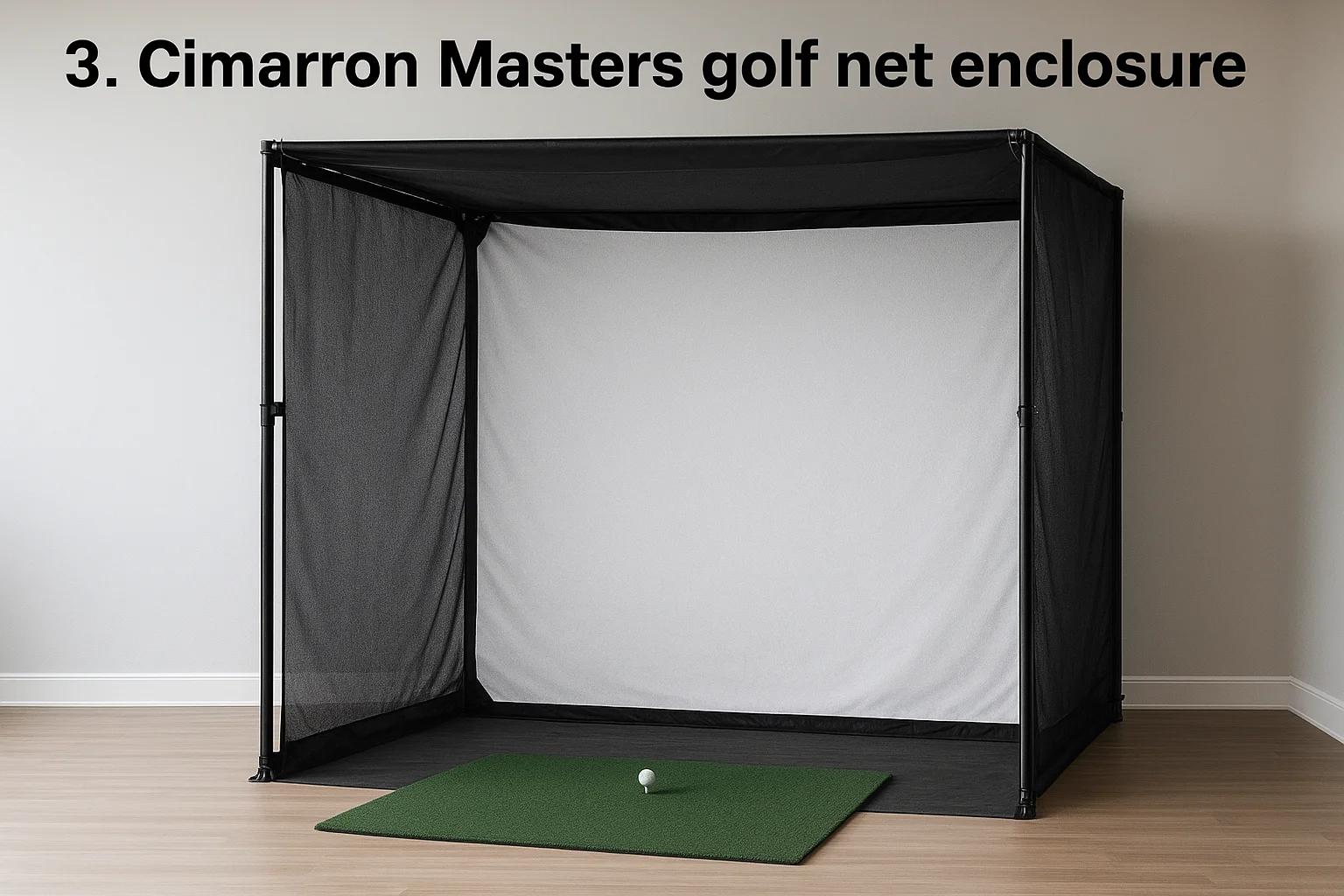
Cimarron has been making golf nets since the 1990s, and the Masters enclosure is their answer for golfers who want a full golf simulator enclosure kit without building custom walls. It's a freestanding frame with a tensioned impact screen on all sides, so you get containment plus a projection surface in one purchase rather than piecing components together.
Key features
The enclosure uses a heavy-gauge steel frame with a UV-treated screen fabric rated for both indoor and outdoor exposure. Corner pockets and turnbuckles keep the screen taut, which matters for projection clarity since a loose screen distorts the image and throws off ball-flight overlays.
A taut screen isn't cosmetic, it's what keeps your projected ball flight accurate instead of warped.
Simulator compatibility
The Masters pairs well with ceiling-mounted or floor projectors and works with most launch monitors for golf simulator setups on the market, including Foresight and SkyTrak units. You'll need close to 10 feet of height and 16 feet of depth to swing drivers comfortably without clipping the frame.
Who it's for
This enclosure suits homeowners or small business owners building a dedicated simulator room from scratch, since it replaces the need for drywall or a separate screen purchase. It's also a solid fit for garages that double as a workshop, since the frame breaks down when you need the space back.
Pricing
Complete enclosure kits run $1,000 to $1,600, depending on screen size and frame dimensions, putting it in line with SIGPRO but with sturdier outdoor-rated materials.
4. G-TRAK retractable golf net
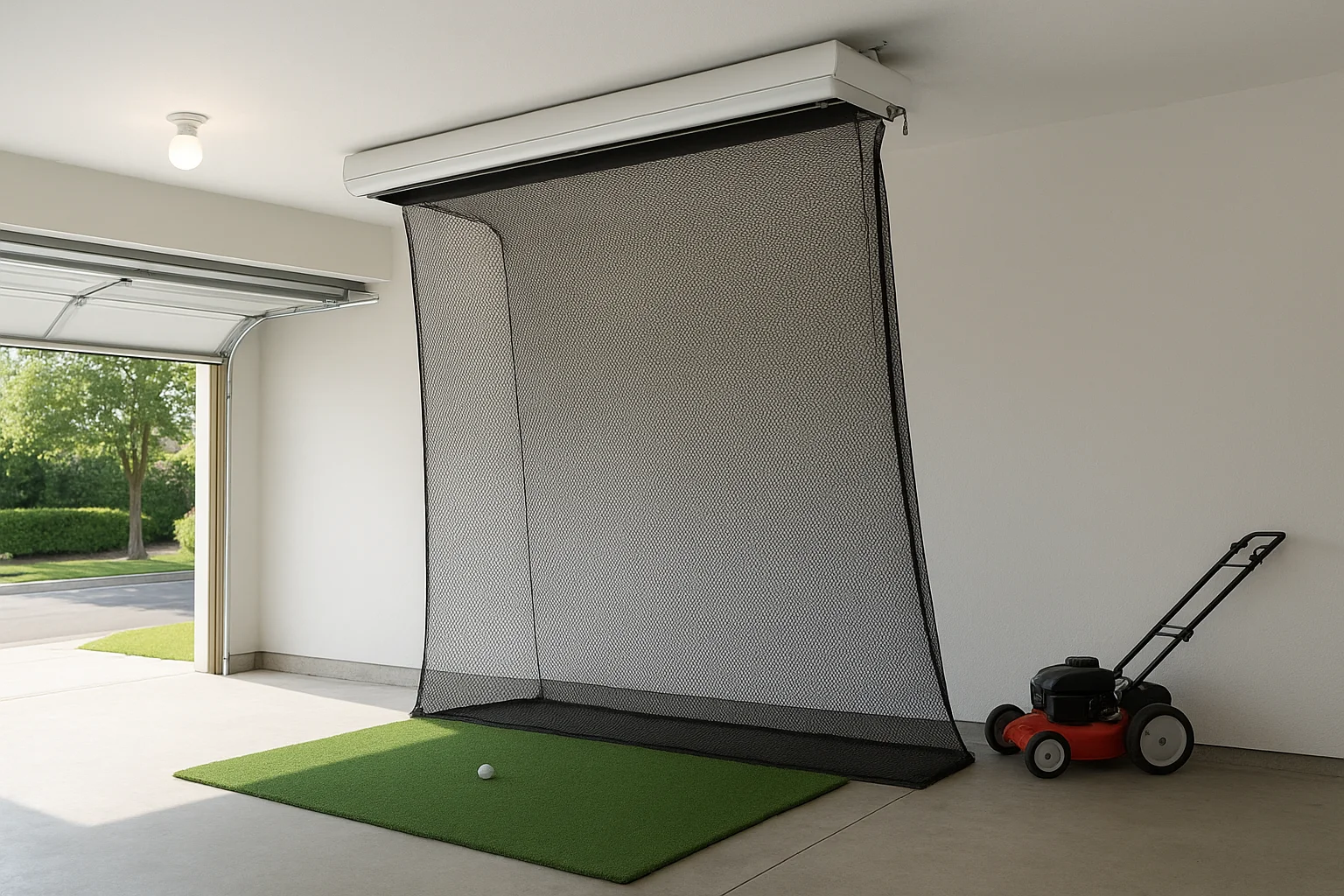
G-TRAK takes a different approach than the fixed frames above: the entire netting system retracts into a ceiling-mounted housing when you're done hitting. That design solves a real problem for garages that double as parking spots or workshops, where a permanent golf simulator net just isn't practical. You pull the net down before your session and roll it back up when you're finished, no disassembly required.
Key features
Each unit uses a motorized or manual pulley system paired with a reinforced retractable golf simulator screen that resists sagging even after repeated retraction cycles. The housing mounts flush to the ceiling, and the netting itself uses the same ballistic-grade mesh found in fixed installations, so durability isn't sacrificed for convenience.
Retractable doesn't mean flimsy, it means you get your garage back the moment you're done swinging.
Simulator compatibility
Once lowered, the screen accepts short-throw projector output and works with launch monitors like SkyTrak or Garmin R10. You'll want at least 9 feet of ceiling clearance for the housing plus swing space below it.
Who it's for
Homeowners planning a golf simulator for a garage that still parks cars, or anyone who can't dedicate a room permanently to golf, will get the most out of this setup. It suits builders retrofitting existing garages too.
Pricing
Expect $1,300 to $1,900 for a complete retractable system, reflecting the added mechanical hardware over a fixed frame.
5. Budget-friendly golf cage nets
Sometimes you just need something to stop the ball, not a full simulator bay. Budget golf cage nets from brands like Rukket, GoSports, and Pure2Improve fill that gap with a simple PVC or fiberglass frame and a basic netting panel that bolts or bungees together in under an hour. These aren't built for daily driver sessions, but for chipping, wedge work, and the occasional full swing, they get the job done for a fraction of the cost of an enclosure.
Key features
Expect a lightweight frame, a single-layer net, and sometimes a printed target sheet or basic hitting mat included in the box. Some kits add a side barrier flap to catch mishits, though the material is thinner than what you'd find on The Net Return or Cimarron.
A budget net won't survive years of driver shots, but it's the cheapest way to find out if you'll actually use a home setup.
Simulator compatibility
Most of these nets aren't designed as projection screens, so pairing one with a launch monitor works for ball-flight data but not overlay graphics. A handful of models sell a separate screen add-on if you want basic visuals later.
Who it's for
Renters, backyard golfers, and anyone testing the waters before investing in a full enclosure will get the most value here.
Pricing
Most kits run $150 to $400, making this the entry point for anyone unsure how often they'll actually practice.
Choosing the right net for your space
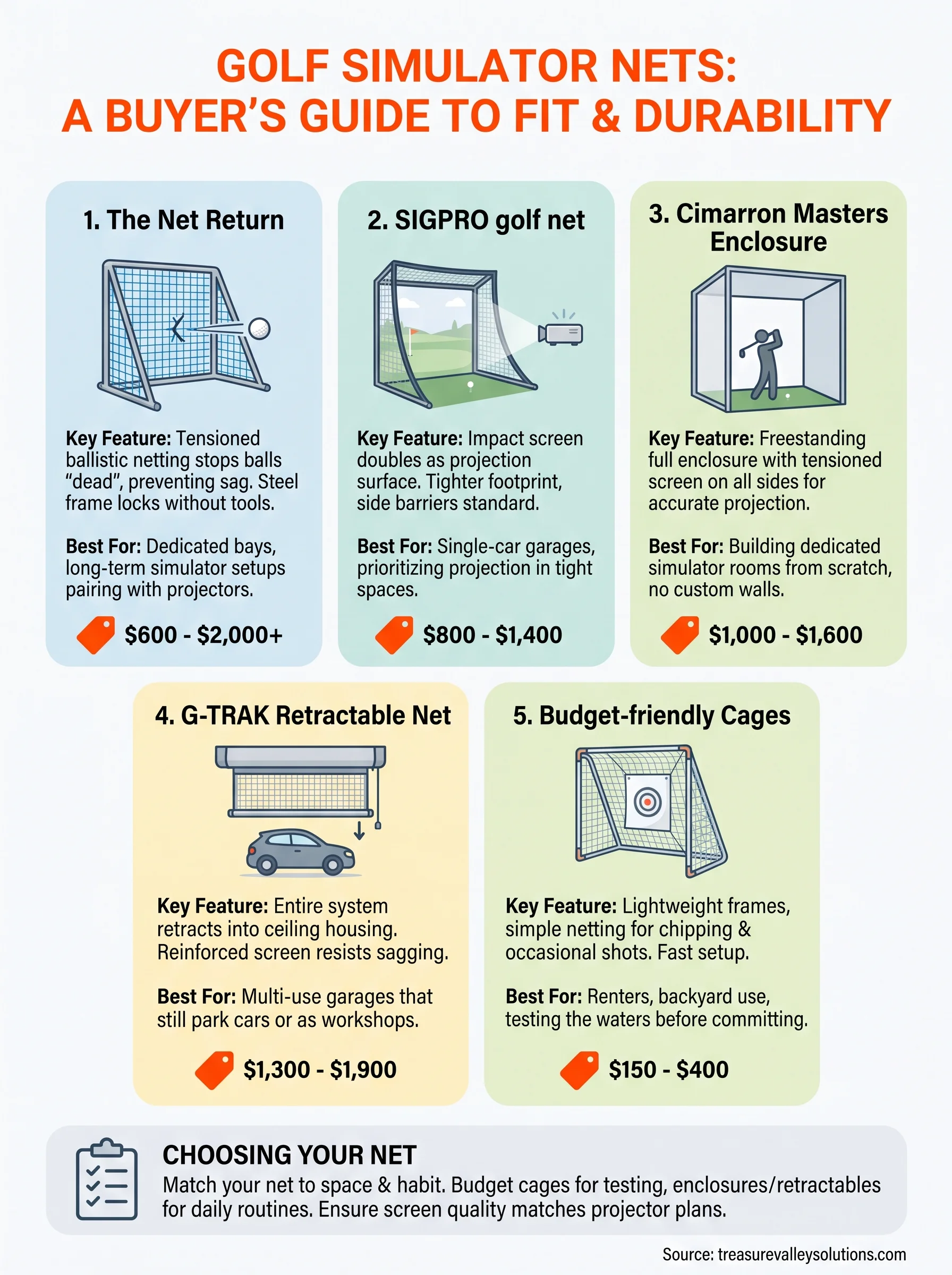
Your ceiling height, garage width, and how often you'll actually swing a driver should drive this decision more than brand names. A budget cage net makes sense if you're testing whether the habit sticks, while a full enclosure like the Cimarron Masters or a retractable system like G-TRAK earns its price tag once golf becomes a weekly routine. Match the screen quality to your projector plans early, since retrofitting a simulator bay around a net that can't handle projection is a costly redo.
Getting the net right is only half the project. The screen, projector, lighting, and audio all need to work together if you want a bay that feels like a real simulator room instead of a garage with a net bolted to the wall. That's the kind of integration work we handle every day for Treasure Valley homeowners building out home theaters and game rooms, and it applies just as well to a golf simulator setup. If you're planning a dedicated space and want it done right the first time, get in touch with our team to talk through your layout and equipment.
Need Expert Help?
Ready to implement these solutions in your own home or business?
Our Services
View All Services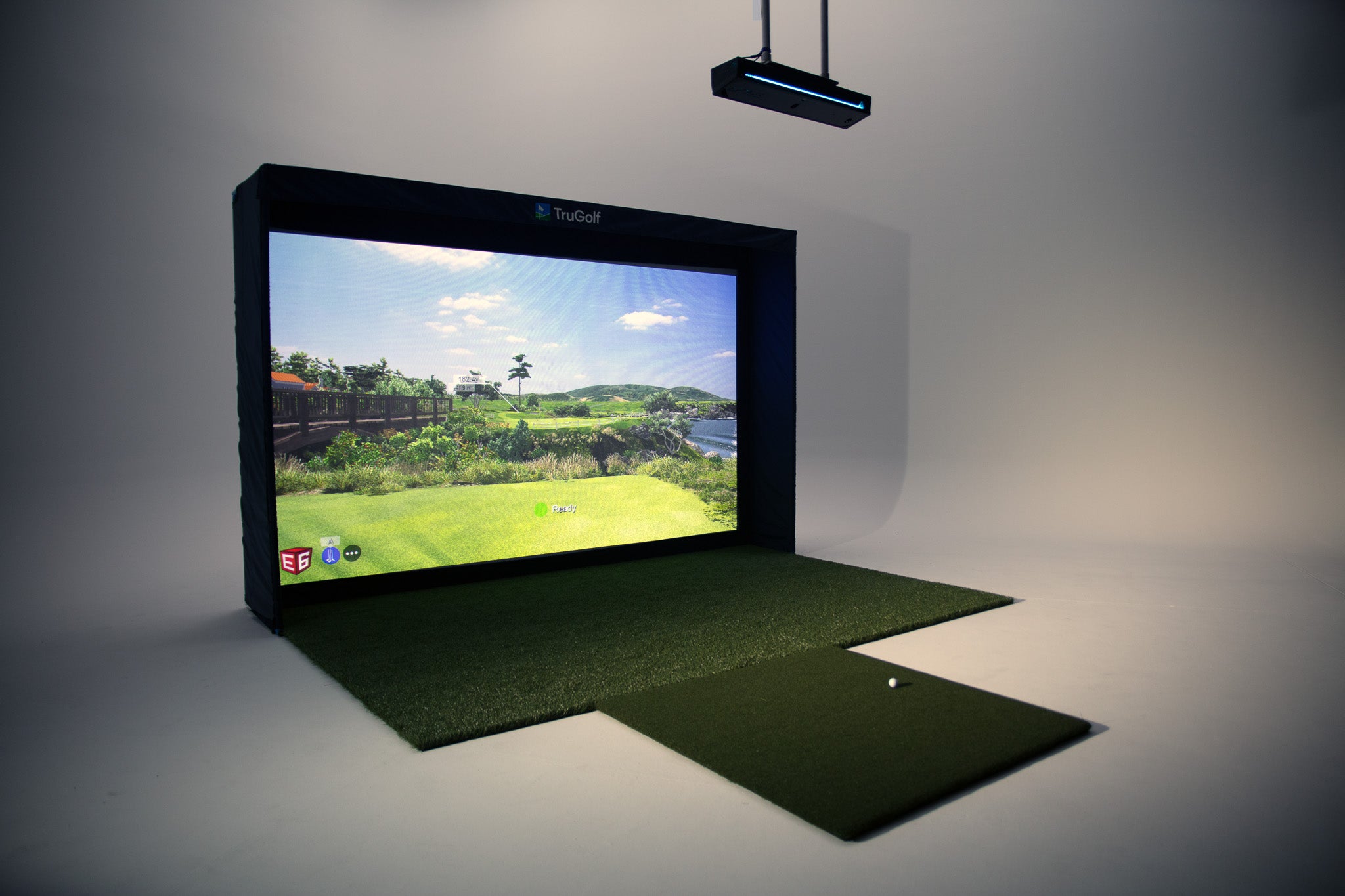
Serving the Treasure Valley
Local installation in your city