 (208) 991-3502
 Meridian, ID




Guests judge your hotel within minutes of connecting to the network, and a buffering Netflix stream or a login page that won't load is enough to tank your reviews. That's why finding the right hospita...
Guests judge your hotel within minutes of connecting to the network, and a buffering Netflix stream or a login page that won't load is enough to tank your reviews. That's why finding the right hospitality wifi solutions matters so much in 2026, when every guest expects hotel-grade internet to match what they have at home, only better, across every room, lobby, and conference space.
The short answer: the best hospitality Wi-Fi platforms combine enterprise-grade access points with guest-friendly captive portals, bandwidth management that stops one guest from hogging the network, and remote monitoring so your staff isn't troubleshooting routers at 2 a.m. Systems built for hotels, not repurposed office networks, handle high device density, seasonal occupancy swings, and PCI compliance without constant IT firefighting.
We put together this list after working with property owners across the Treasure Valley who needed reliable guest connectivity without hiring a full IT department. Below you'll find nine platforms worth considering for 2026, what makes each one strong, and which property types they fit best, whether you're running a boutique inn or a full-service hotel with hundreds of rooms.
1. Treasure Valley Solutions
Treasure Valley Solutions tops this list because it does something most national providers can't: it designs your network around your actual property instead of shipping you a pre-configured box. Based in Meridian, Idaho, the company builds custom hospitality wifi solutions and smart tech for hotels and hospitality properties throughout the Treasure Valley, from Boise to Nampa to Eagle. Every install starts with a site walk, not a catalog order.
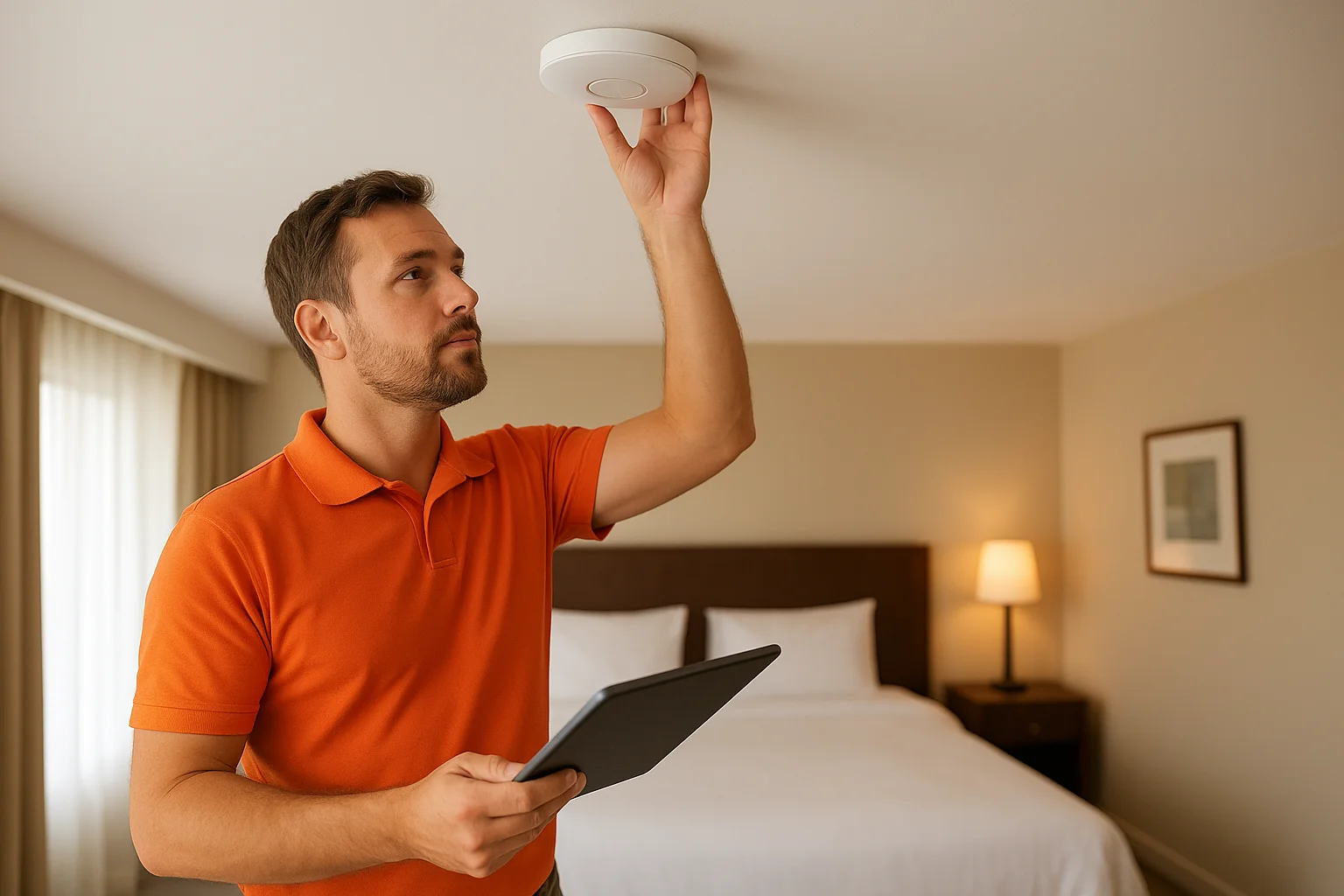
A Wi-Fi network designed for your specific building, not a generic template, is the difference between guests who never think about your internet and guests who complain about it in every review.
How it works
Technicians start with a full site survey as part of professional Wi-Fi and network installation, mapping wall thickness, floor count, elevator shafts, and existing wiring before recommending equipment. From there, the team designs a network with hardwired access points placed for real coverage, not just enough hardware to check a box. Programming happens on-site, so guest login portals, bandwidth caps, and staff networks all get configured to match how your property actually operates. Once installed, the system gets tested room by room, and Treasure Valley Solutions remains the point of contact for support instead of routing you to a call center in another state.
Key features
The platform is built around a few things hotel owners consistently ask for:
- Custom-designed coverage based on your building's layout, not a one-size-fits-all template
- Guest network segmentation that keeps guest devices isolated from staff systems, POS terminals, and security cameras
- Bandwidth management so streaming in one room doesn't slow down video calls in another
- Local, licensed installation by insured technicians who know Idaho building codes and construction
- Ongoing local support, meaning a real technician answers the phone, not a ticket queue
Who it's best for
This option fits boutique hotels, bed and breakfasts, and independent inns in the Treasure Valley that want a network built specifically for their property rather than a national franchise's standard package. It also works well for property managers overseeing multiple short-term rentals who need consistent, dependable connectivity across several buildings without hiring in-house IT staff. Builders working on new hospitality construction benefit too, since Treasure Valley Solutions handles pre-wiring during construction so the finished property never needs retrofitting. If your priority is a network that reflects your specific room count, layout, and guest expectations, this is the direction to go.
Pricing
Pricing runs on a project basis rather than a flat monthly subscription, since every property's access point count, wiring needs, and coverage requirements differ. Treasure Valley Solutions provides transparent quotes after the initial site survey, so you know installation costs upfront before committing. Ongoing support and monitoring can be added as needed, giving smaller properties the option to start lean and scale coverage as occupancy grows. For an accurate estimate, request a consultation through the smart technology solutions page and describe your property size and guest count.
2. Cisco Meraki
Cisco Meraki is the platform most IT consultants recommend when a hotel wants enterprise-grade wifi without hiring a full network engineering team. Meraki access points connect to a cloud dashboard that handles configuration, firmware updates, and troubleshooting from anywhere, which is why Meraki-managed Cisco networking shows up so often on shortlists for hotel wifi solutions at properties with multiple locations or brand-standard requirements.
How it works
Every access point talks to Cisco's cloud controller instead of a physical server on-site, so a regional manager or IT contractor can push changes, view live traffic, and diagnose dead zones from a laptop hundreds of miles away. Installation still requires a proper site survey to place hardware correctly, but once it's up, most day-to-day management happens remotely.
Cloud-managed hardware means your Wi-Fi problems can get fixed before the front desk even hears about them.
Key features
- Cloud dashboard for real-time monitoring across every access point and property
- Splash pages that support branded guest logins and marketing capture
- Auto RF optimization that adjusts channels and power to reduce interference
- API integrations with property management systems for larger hotel groups
Who it's best for
Meraki suits hotel groups and franchise properties that already have an IT vendor or internal staff comfortable managing licenses and dashboards. It's a strong fit for mid-size to large hotels running 100+ rooms where centralized visibility across buildings matters more than a fully custom, hands-on build.
Pricing
Meraki hardware is sold through authorized resellers, and pricing includes a mandatory annual licensing fee on top of the access points themselves, since the cloud dashboard requires an active license to function. Expect access points to run several hundred dollars each, plus licensing costs that scale with the number of devices and the license tier chosen. Budget for a reseller or integrator to handle setup, since Cisco doesn't sell directly to most independent hotel owners.
3. Ruckus Wireless by CommScope
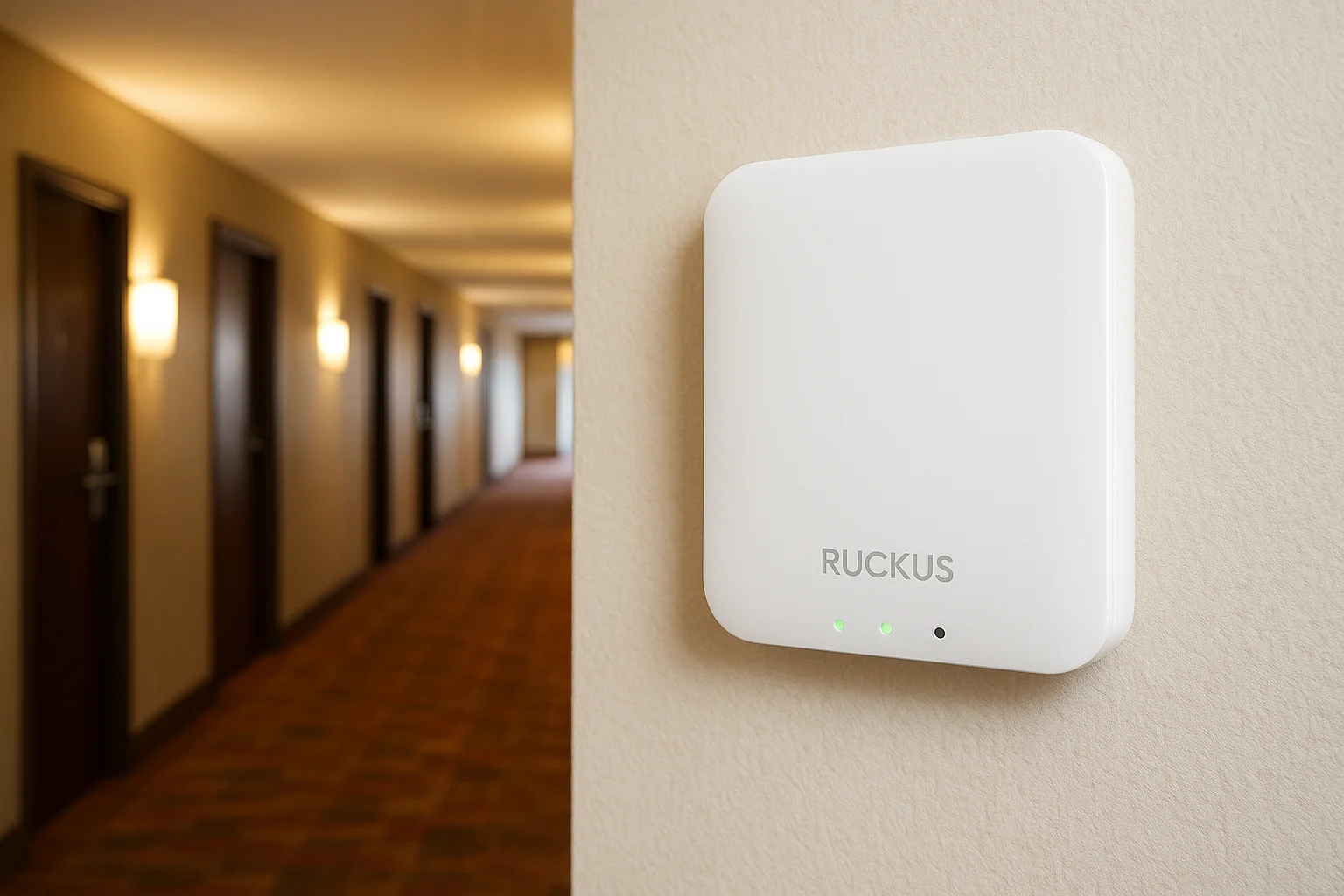
Ruckus built its reputation on solving the problem that plagues most hotels: thick walls, dense guest counts, and dozens of devices per room fighting for the same signal. Now owned by CommScope, Ruckus wireless hardware uses adaptive antenna technology that most competitors still don't match, which is why it keeps showing up in hospitality wifi solutions comparisons for older buildings and high-density properties.
How it works
Ruckus access points use BeamFlex technology, a patented antenna system that reshapes its signal pattern hundreds of times per second to route around interference instead of just broadcasting louder. That matters in hotels with plaster walls, metal studs, or elevator banks that scramble typical Wi-Fi signals, one of the most common reasons Wi-Fi fails in a building. Management runs through Ruckus's cloud platform or an on-site controller, depending on how much control your IT contractor wants over the network.
Adaptive antennas that reshape themselves around interference solve the dead-zone problem that flat, generic access points never fix.
Key features
- BeamFlex adaptive antennas that adjust signal direction in real time to fight interference
- High client density support, built for rooms where guests connect phones, laptops, and streaming sticks simultaneously
- SmartMesh networking that keeps coverage stable even if one access point drops offline
- Guest access controls with customizable splash pages and bandwidth throttling by device
Who it's best for
Ruckus fits older hotels and historic properties where thick walls and awkward floor plans have caused connectivity headaches with other systems. It also works well for convention hotels and properties hosting large events, where hundreds of devices connect simultaneously without warning.
Pricing
Ruckus access points typically cost more upfront than budget alternatives, with hardware running from a few hundred dollars to over a thousand per unit depending on the model and coverage area needed. Licensing for cloud management adds an ongoing cost, and most hotels work with a certified integrator for installation rather than buying direct, since proper placement is essential to getting the antenna technology's full benefit.
4. Extreme Networks
Extreme Networks built its name on campus and stadium deployments, and it brought that same muscle to hospitality when hotels started demanding wifi that could handle conference centers, ballrooms, and hundreds of rooms on one unified system. Extreme Networks stands out among hospitality wifi solutions for properties that need a single platform to manage wired and wireless traffic together, rather than juggling separate systems for guest rooms and meeting spaces.
How it works
Extreme's ExtremeCloud IQ platform uses machine learning to monitor network performance and flag problems before they affect guests, analyzing traffic patterns across access points to predict congestion during peak check-in hours or large events. Access points and switches report into the same cloud dashboard, so a hotel's IT contractor sees the whole network, wireless and wired, in one view instead of stitching together data from separate tools.
A network that predicts congestion before it happens saves your front desk from fielding complaint calls during a sold-out weekend.
Key features
- AI-driven analytics that flag performance issues before guests notice slowdowns
- Unified wired and wireless management through a single cloud dashboard
- Location-based services that support wayfinding and asset tracking in larger properties
- Fabric-based networking that simplifies segmentation between guest, staff, and IoT devices
Who it's best for
Extreme Networks fits large hotels and resorts with significant meeting or convention space, where wireless demand spikes unpredictably and IT staff need visibility across the entire building, not just guest room floors. Properties running heavy IoT deployments, like hotel energy management systems or connected door locks across hundreds of rooms, also benefit from the unified management approach.
Pricing
Extreme Networks sells through certified partners, and pricing reflects its enterprise positioning: access points and switches run comparable to Cisco Meraki, with cloud licensing fees layered on top based on device count and support tier. Expect a full deployment for a mid-size resort to require a dedicated integrator and a budget that accounts for both hardware and multi-year licensing commitments.
5. Cloudi-Fi
Cloudi-Fi takes a different approach from the hardware-first vendors on this list. Instead of selling access points, it layers a cloud-based captive portal on top of the network gear you already own, whether that's Cisco Meraki, Aruba, or another supported brand. Hotels dealing with GDPR or CCPA compliance headaches for guest data collection often land on Cloudi-Fi because it was built specifically to solve that problem, not bolted on as an afterthought.
How it works
Cloudi-Fi plugs into your existing wireless infrastructure through API integrations, so it doesn't require ripping out hardware you've already installed. The platform manages the guest login experience, data consent forms, and analytics dashboards from the cloud, while your access points continue handling the actual wireless signal. IT teams keep their current hardware investment and add a compliance and marketing layer on top.
Fixing your guest login compliance without replacing a single access point saves both budget and installation downtime.
Key features
- GDPR and CCPA-compliant consent management built into every guest login flow
- Marketing data capture that syncs with CRM and email platforms for post-stay campaigns
- Vendor-agnostic integration with major access point brands already installed
- Analytics dashboards showing guest connection patterns, dwell time, and repeat visits
Who it's best for
Cloudi-Fi suits hotel groups with existing Wi-Fi hardware who need a compliance and marketing upgrade rather than a full network replacement. It's a strong fit for properties in Europe or California-based chains facing strict data privacy rules, and for marketing teams that want guest login data feeding directly into loyalty programs.
Pricing
Cloudi-Fi prices per access point per month, with tiers scaling by feature set, from basic compliance to full marketing analytics. Expect a subscription model rather than a one-time hardware purchase, with contracts typically negotiated directly through their sales team based on property size and integration complexity.
6. Spectrum Business Hospitality WiFi
Spectrum Business brings the same cable infrastructure that powers most Treasure Valley homes and businesses into a dedicated hospitality package, bundling internet service and Wi-Fi hardware under one provider instead of splitting connectivity and network equipment between two vendors. For hotel owners who want one bill and one support line for both the pipe and the network riding on it, Spectrum Business Hospitality WiFi removes a layer of vendor coordination that trips up smaller properties.
How it works
Spectrum installs its own internet connection to the property, then layers managed Wi-Fi access points on top, configured and monitored through Spectrum's business portal. Technicians handle both the ISP side and the wireless side, so troubleshooting a slow connection doesn't turn into a game of pointing fingers between your internet provider and your network vendor. Support tickets route through one company regardless of whether the problem is the signal or the pipe feeding it.
One provider handling both your internet connection and your wireless network means no more finger-pointing when something breaks.
Key features
- Bundled internet and Wi-Fi from a single provider and a single monthly invoice
- Managed access points with remote monitoring handled by Spectrum's support team
- Guest portal customization for branded login pages
- 24/7 business support included with most hospitality plans
Who it's best for
This option fits small to mid-size hotels and motels that want simplicity over customization, especially properties already using Spectrum for internet service and looking to consolidate vendors. It also suits owners who'd rather not manage a separate relationship with a network integrator and are comfortable with a standardized setup instead of a fully custom design.
Pricing
Spectrum Business Hospitality WiFi runs on a monthly subscription that bundles internet bandwidth with managed Wi-Fi service, and exact costs depend on the bandwidth tier and number of access points a property needs. Contracts typically require a multi-year commitment, and installation fees may apply depending on existing wiring at the property. Getting an accurate quote requires contacting Spectrum Business directly, since pricing varies by region and property size.
7. Single Digits
Single Digits built its business exclusively around hospitality networks, and that focus shows in how the platform handles the messy realities of hotel Wi-Fi: seasonal occupancy swings, guests who show up with five devices each, and IT staff who don't want to babysit a dashboard all day. Among hospitality wifi solutions built specifically for hotels rather than adapted from office or campus networks, Single Digits positions itself as managed WiFi first, hardware vendor second.
How it works
Single Digits deploys and manages the entire network remotely through its cloud platform, monitoring bandwidth, device counts, and access point health around the clock from a network operations center. The company's technicians handle firmware updates, security patches, and troubleshooting without requiring on-site IT staff, which appeals to properties without a dedicated network administrator.
Handing network monitoring to a team that watches nothing but hotel Wi-Fi all day catches problems your front desk staff never would.
Key features
- 24/7 network operations center monitoring bandwidth and access point performance
- HSIA (High-Speed Internet Access) platform purpose-built for hotel guest connectivity
- PMS integration that syncs guest login credentials with room numbers automatically
- Analytics reporting covering usage trends, peak demand periods, and device counts by floor
Who it's best for
Single Digits fits mid-size to large hotels and hotel management companies overseeing multiple properties that want consistent network performance without hiring network staff at each location. It also suits properties managed by a third-party operator where the ownership group wants standardized reporting across a portfolio of hotels rather than a patchwork of local vendors.
Pricing
Single Digits typically prices through a managed service contract that bundles hardware, installation, and ongoing monitoring into one recurring fee rather than separate line items. Costs scale with room count and the level of monitoring and support included, and most hotels sign multi-year agreements to lock in service terms. Getting an actual number requires a consultation, since Single Digits tailors contracts to each property's size and existing infrastructure.
8. Hotel Internet Services
Hotel Internet Services (HIS) has spent over two decades focused on one thing: guest-facing internet at hospitality properties, from small independent motels to large convention hotels. Unlike vendors that expanded into hospitality from enterprise networking, HIS built its entire product line around hotel wifi solutions from day one, which shows in how tightly its support model tracks the actual guest experience rather than generic network uptime metrics.
How it works
HIS designs, installs, and manages the network as a full-service package, handling everything from the initial site survey through ongoing monitoring. The company runs its own network operations center that watches bandwidth usage and access point health across client properties, flagging problems before a guest calls the front desk to complain about buffering.
A support team that only works on hotel networks understands guest complaints faster than a generalist IT vendor ever will.
Key features
- Guest-focused network design built specifically around occupancy patterns and device density in hotel rooms
- 24/7 technical support staffed by technicians who specialize in hospitality connectivity, not general IT tickets
- Bandwidth throttling by device to stop one guest's downloads from slowing an entire floor
- PMS and door lock integrations that connect guest Wi-Fi access to check-in and check-out systems automatically, the same way hotel access control systems tie credentials to a stay
Who it's best for
HIS suits independent hotels and small chains that want a provider whose entire business model centers on hospitality rather than a division of a larger enterprise networking company. Properties without in-house IT staff benefit most, since HIS handles the technical side end to end and leaves front desk teams free to focus on guests instead of routers.
Pricing
HIS prices projects individually based on room count, building layout, and the level of ongoing support a property wants, similar to how most dedicated hospitality vendors structure contracts. Expect a combination of installation costs and a recurring managed service fee, with exact numbers only available after a site assessment. Multi-year contracts are common, and properties should ask directly about equipment ownership versus a fully managed lease arrangement before signing.
9. Hoteza
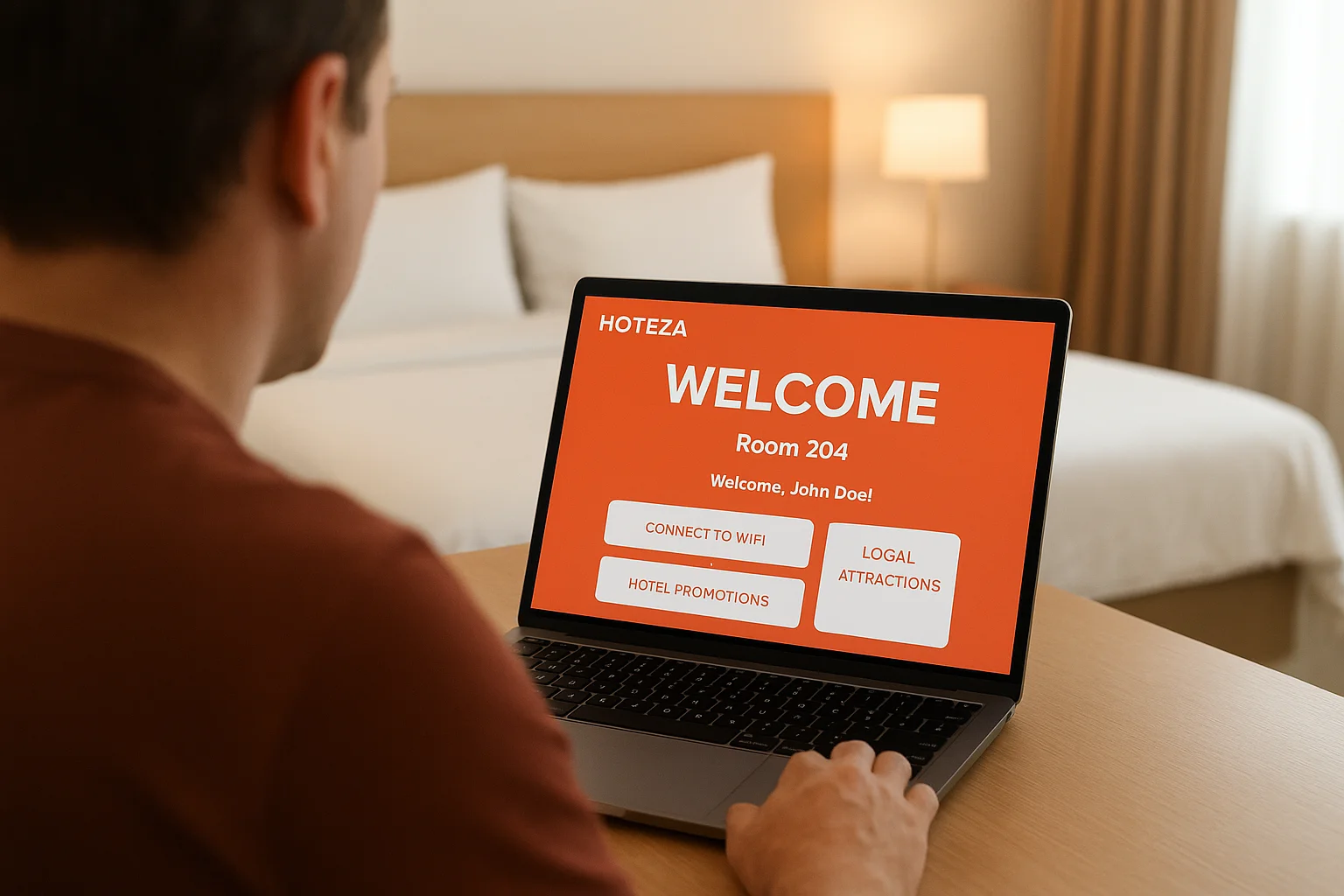
Hoteza rounds out this list as a guest engagement platform that layers on top of your existing network hardware, focusing less on the wireless signal itself and more on what guests see the moment they connect. Rather than manufacturing access points, Hoteza builds the software layer, splash pages, in-room casting, digital directories, and IPTV integration, that turns a basic internet connection into a branded guest experience.
How it works
Hoteza integrates with your property's existing Wi-Fi infrastructure and PMS through API connections, pulling guest data to personalize the login screen with room-specific welcome messages, local activity suggestions, and hotel promotions. The platform runs from the cloud, so updates to branding, seasonal offers, or menu changes push out across every property in a portfolio without touching hardware.
Turning a plain login screen into a branded welcome message does more for guest impressions than another megabit of bandwidth ever will.
Key features
- Branded splash pages customized with property imagery, promotions, and local recommendations
- IPTV and casting integration letting guests stream personal accounts to in-room televisions
- Multi-property management for hotel groups needing consistent branding across locations
- PMS-driven personalization that greets returning guests by name and loyalty tier
Who it's best for
Hoteza fits hotel groups and resorts that already have solid network hardware in place but want the guest-facing experience to feel more polished and on-brand. It suits marketing-focused hospitality teams more than properties still shopping for their first serious wireless upgrade, since Hoteza assumes the underlying hospitality wifi solutions infrastructure already exists.
Pricing
Hoteza prices its platform through subscription licensing based on room count and the modules a property activates, from basic splash pages to full IPTV integration. Contracts run through direct sales conversations, and properties should budget separately for the underlying network hardware, since Hoteza doesn't sell access points itself.
Choosing the right WiFi partner for your property
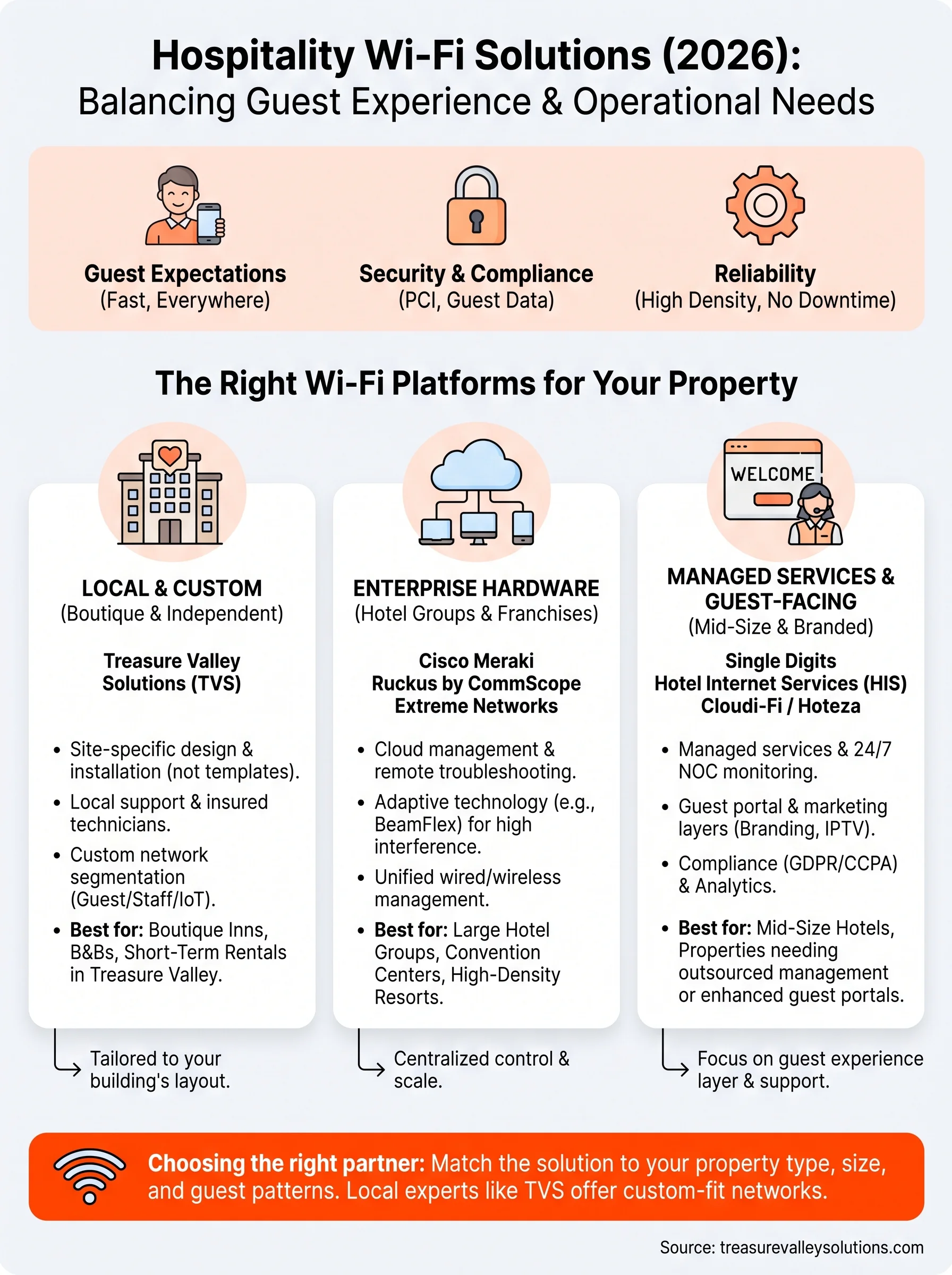
Every platform on this list solves the same core problem in a different way. National providers like Meraki, Ruckus, and Extreme Networks give you enterprise hardware and remote management, but you'll still need someone local to design, install, and troubleshoot the physical network. Specialists like Single Digits and Hotel Internet Services bundle that support in, while Cloudi-Fi and Hoteza assume you already have solid hardware and just need a better guest-facing layer on top.
For most Treasure Valley properties, though, the smartest move is working with a partner who knows your building, your guest patterns, and your local codes firsthand instead of a call center reading from a script. That's the gap Treasure Valley Solutions was built to fill, with custom-designed networks and technicians who actually answer the phone.
If you're ready to stop guessing about your guest Wi-Fi and start with a real site survey, request a quote for your property's network and tell us about your room count and guest traffic.
Need Expert Help?
Ready to implement these solutions in your own home or business?
Our Services
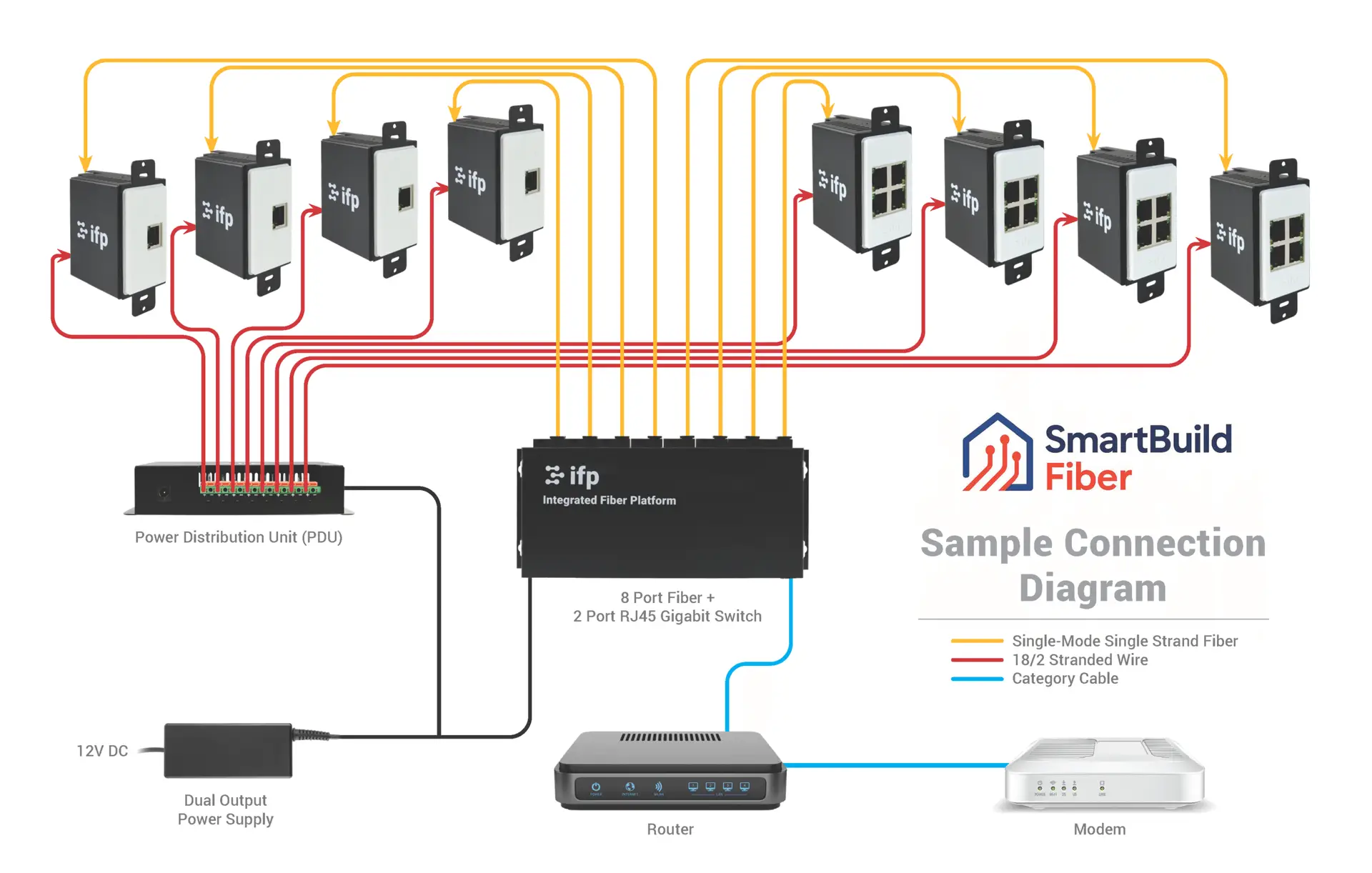
Future-proof fiber optic infrastructure.

Complete home automation and control.
Whole-home audio and high-fidelity sound systems.
Expert TV Mounting Treasure Valley Homeowners & Businesses Trust
Serving the Treasure Valley
Local installation in your city