 (208) 991-3502
 Meridian, ID



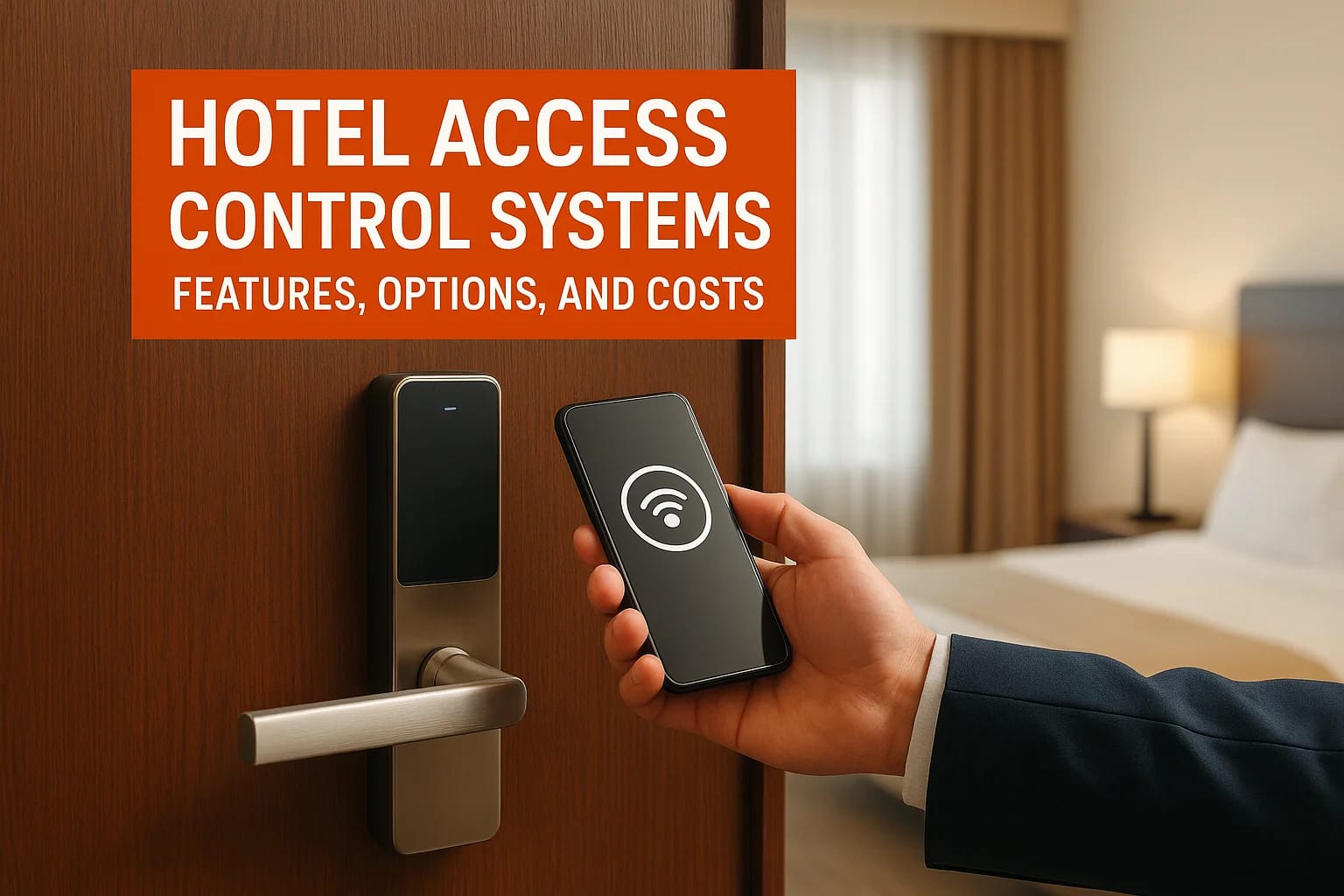

Managing guest access while maintaining security is one of the biggest operational challenges hotel owners and managers face daily. Traditional metal keys get lost, copied, or never returned, creating...
Managing guest access while maintaining security is one of the biggest operational challenges hotel owners and managers face daily. Traditional metal keys get lost, copied, or never returned, creating security gaps and replacement costs that add up fast. Hotel access control systems solve these problems by replacing outdated lock-and-key setups with technology that tracks, restricts, and automates who enters your property and when.
Whether you're running a boutique inn or overseeing a multi-property hospitality group, choosing the right access control system affects everything from guest experience to staff efficiency to your bottom line. The options range from basic keycard systems to smartphone-enabled locks with full integration into your property management software. Understanding what's available, and what it actually costs, helps you make a decision that fits your property's specific needs.
At Treasure Valley Solutions, we design and install access control systems for commercial properties throughout Idaho, including hospitality businesses that need reliable, scalable security solutions. This guide breaks down the features, options, and costs of hotel access control systems so you can evaluate your choices with confidence before investing.
What a hotel access control system includes
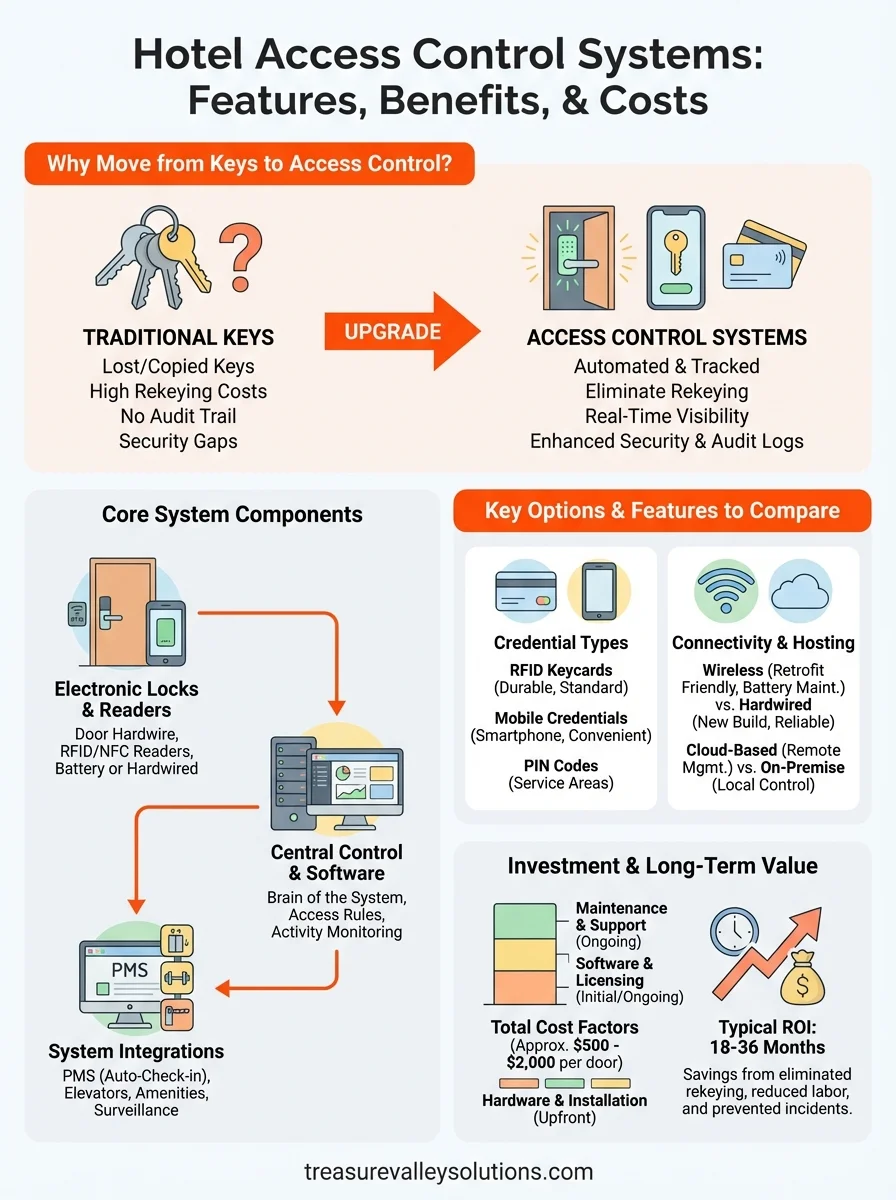
A complete hotel access control system consists of multiple connected components that work together to secure your property while making access convenient for guests and staff. The core setup includes electronic locks, credential readers, a central control panel, management software, and often integration points with your existing property management system. Each component plays a specific role in creating a secure, trackable access environment that scales from a single building to multiple properties.
Electronic locks and credential readers
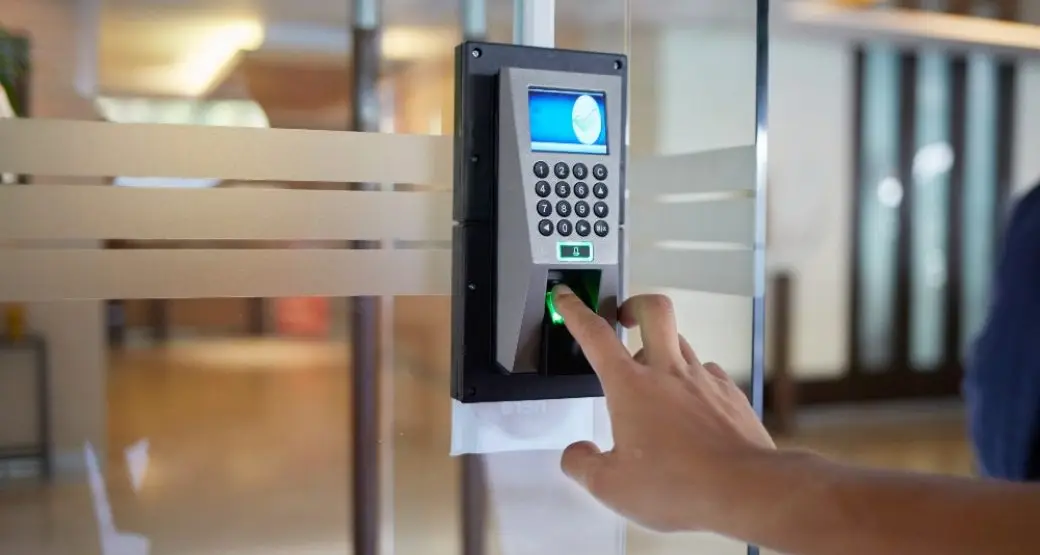
Door locks form the visible front line of your access control system, replacing mechanical cylinders with electronic mechanisms that respond to authorized credentials. Most hotel access control systems use RFID or NFC readers built into the lock or mounted nearby, which scan keycards, key fobs, or smartphones to grant access. These locks contain both the reader hardware and the electronic strike or latch mechanism that physically secures the door.
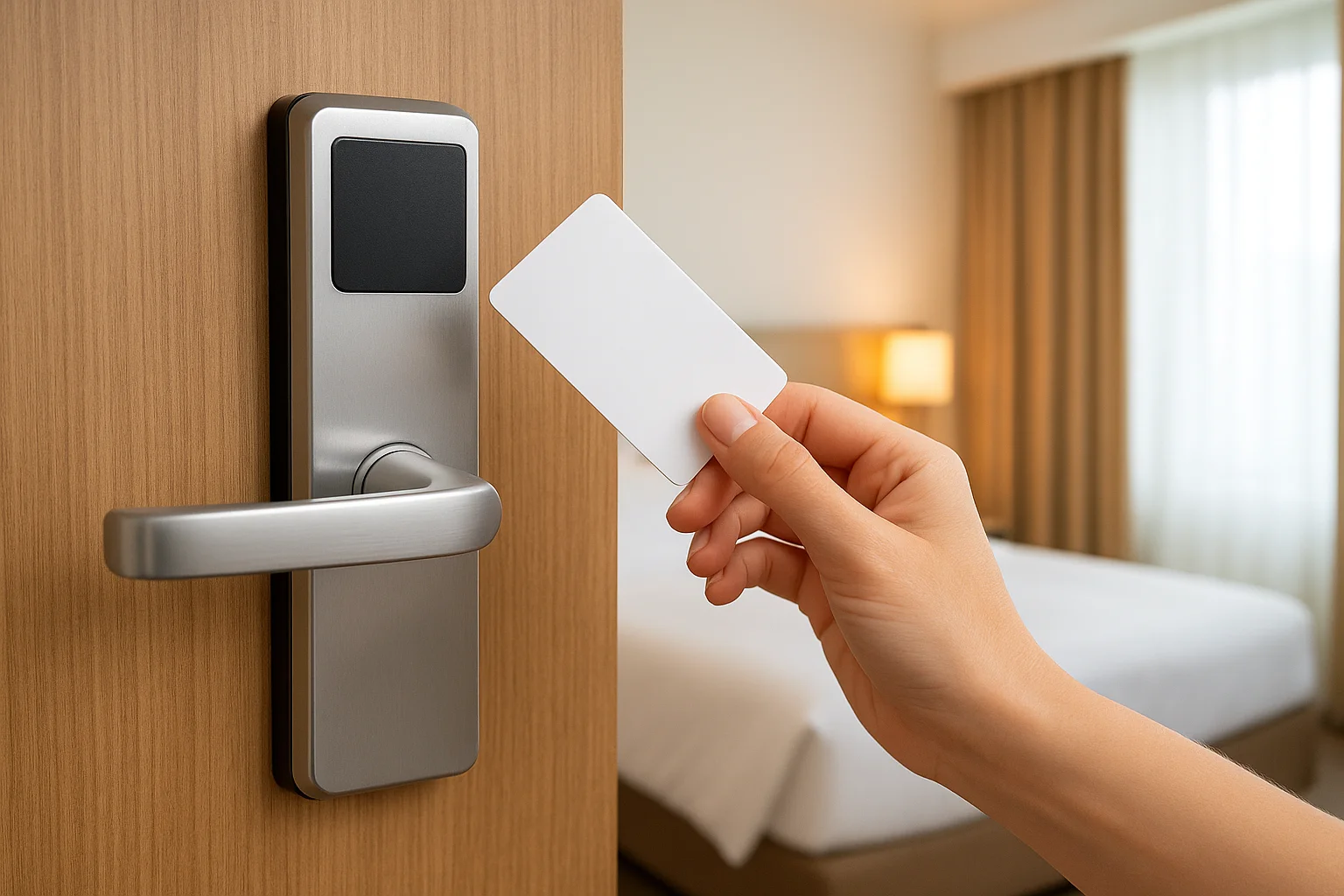
Modern lock units include battery-powered options for retrofit installations and hardwired models for new construction, with many supporting multiple credential types simultaneously. You can issue traditional plastic keycards, enable mobile phone credentials through apps, or use physical key fobs for maintenance staff who need long-term access to service areas. The lock hardware typically mounts on standard door preparations, making installation straightforward on most commercial door types.
Battery life in electronic locks typically ranges from one to three years depending on traffic volume, with low-battery warnings sent to your management system before failures occur.
Control panels and management software
The control panel acts as the brain of your system, storing access permissions, tracking entry events, and communicating with all connected locks throughout your property. This hardware sits in a secure back-office location and connects to your network infrastructure, either through Ethernet cables or wireless protocols depending on your building layout and system architecture. Cloud-based systems shift much of this processing to remote servers, reducing on-site hardware requirements while maintaining real-time control.
Management software gives you the interface to program access rules, issue credentials, monitor activity, and generate reports on who entered which areas and when. You assign specific permissions to each credential, set time-based restrictions that automatically activate and expire, and create access levels for different staff roles or guest types. The software typically runs on standard computers or tablets, with mobile apps available for remote management from anywhere you have internet access.
Integration capabilities
Property management system (PMS) integration connects your access control directly to your reservation and check-in software, automatically programming room keycards with the correct access period when guests check in. This eliminates manual credential creation and reduces front desk workload while preventing errors like wrong room assignments or incorrect checkout dates. The integration flows both ways, with access events feeding back into your PMS for complete audit trails.
Additional integrations link your access system to elevator controls, parking gates, fitness centers, and other amenity spaces that require restricted access based on guest status or reservation type. You can connect alarm systems, video surveillance, and building automation platforms to create comprehensive security and operational control across your entire property from a single management interface.
Why hotels use access control instead of keys
Traditional metal keys create serious security vulnerabilities and operational headaches that hotel access control systems eliminate completely. When guests lose a physical key or fail to return it at checkout, you face the expensive process of rekeying the entire lock to prevent unauthorized access. Keys get duplicated without your knowledge, passed to unauthorized visitors, or reused by former guests who forgot to turn them in, leaving you with no visibility into who actually has access to your property at any given time.
Security and audit trail benefits
Hotel access control systems provide complete visibility into every entry attempt across your property through detailed activity logs that track which credential accessed which door and exactly when. You can identify security breaches immediately, respond to incidents with evidence of who entered specific areas, and prove compliance during audits or investigations. The system flags suspicious patterns like multiple failed access attempts or credentials used in impossible timeframes at different locations, alerting you to potential security threats before they escalate.
Access rights expire automatically based on checkout dates you program into the system, preventing former guests from returning with their old credentials. You instantly deactivate lost or stolen keycards remotely without touching the physical lock, eliminating the rekeying costs that run hundreds of dollars per door with traditional hardware.
Operational efficiency and cost savings
Physical key management consumes significant front desk time through manual tracking systems, key storage organization, and the constant process of issuing, collecting, and verifying returns. Electronic credentials get created automatically when guests check in through your property management system integration, freeing staff to focus on guest service instead of administrative tasks. You assign master access credentials to housekeeping and maintenance teams with specific time windows and area restrictions, preventing after-hours access to sensitive spaces while giving staff the flexibility they need during working hours.
Properties typically recover their access control investment within 18 to 36 months through eliminated rekeying costs, reduced labor, and prevented security incidents.
The system scales easily as you add rooms, buildings, or entire properties without the complexity of managing hundreds of physical keys across multiple locations.
Common options and features to compare
Shopping for hotel access control systems requires evaluating several technical and operational factors that directly affect your property's security, guest experience, and long-term costs. The market offers everything from basic standalone keycard systems to fully networked platforms with cloud management and mobile integration. Your choice depends on property size, current infrastructure, budget constraints, and how much automation you want between your access control and other hotel management systems.
Credential technology types
Keycard systems remain the most common credential type in hotels, using RFID or magnetic stripe technology to grant access through reusable plastic cards. RFID cards cost less to replace than magnetic stripe versions and prove more durable through repeated guest use, but magnetic systems work with older lock hardware if you're upgrading gradually. Mobile credentials turn guest smartphones into room keys through Bluetooth or NFC technology, eliminating physical cards entirely while giving guests the convenience of checking in remotely and accessing their rooms without stopping at the front desk.
Some systems support multiple credential types simultaneously, letting you issue keycards to guests who prefer traditional access while enabling mobile keys for tech-savvy visitors. PIN codes offer another option for service areas where staff need access without carrying physical credentials, though these work best for low-security applications rather than guest rooms.
Connectivity and infrastructure requirements
Wireless lock systems communicate through Wi-Fi, Bluetooth, or proprietary mesh networks, making them ideal for retrofit installations where running cables through finished walls becomes expensive or impossible. These locks require either batteries you replace periodically or power-over-Ethernet connections if you install during construction. Hardwired systems connect locks directly to your control panel through low-voltage wiring, providing more reliable communication and eliminating battery maintenance but requiring significant installation work in existing buildings.
Wireless systems typically cost 20 to 40 percent less to install in existing properties compared to hardwired alternatives, though battery replacement adds ongoing maintenance.
Cloud-based platforms store your access data and management software on remote servers you access through web browsers, reducing on-site hardware needs while enabling management from anywhere. On-premise systems keep all data within your property network, giving you complete control over security and eliminating dependence on internet connectivity for daily operations.
How much hotel access control costs
Hotel access control systems range from $500 to $2,000 per door depending on the technology you choose, installation complexity, and whether you need extensive integration with existing property management software. Your total investment includes hardware costs, professional installation labor, initial programming and configuration, and ongoing maintenance expenses that vary based on system type and property size. Understanding these cost components helps you budget accurately and compare quotes from different providers based on your actual needs rather than sticker prices alone.
Equipment and installation expenses
Electronic lock hardware represents your largest upfront expense, with basic RFID keycard locks starting around $300 per door and mobile-enabled smart locks running $600 to $1,200 depending on features and manufacturer. You pay additional costs for control panels, credential readers for common areas, networking equipment for connected systems, and the actual keycards or key fobs you issue to guests and staff. Installation labor typically adds $200 to $500 per door for wireless systems and $400 to $800 for hardwired configurations that require running cables through walls and ceilings.
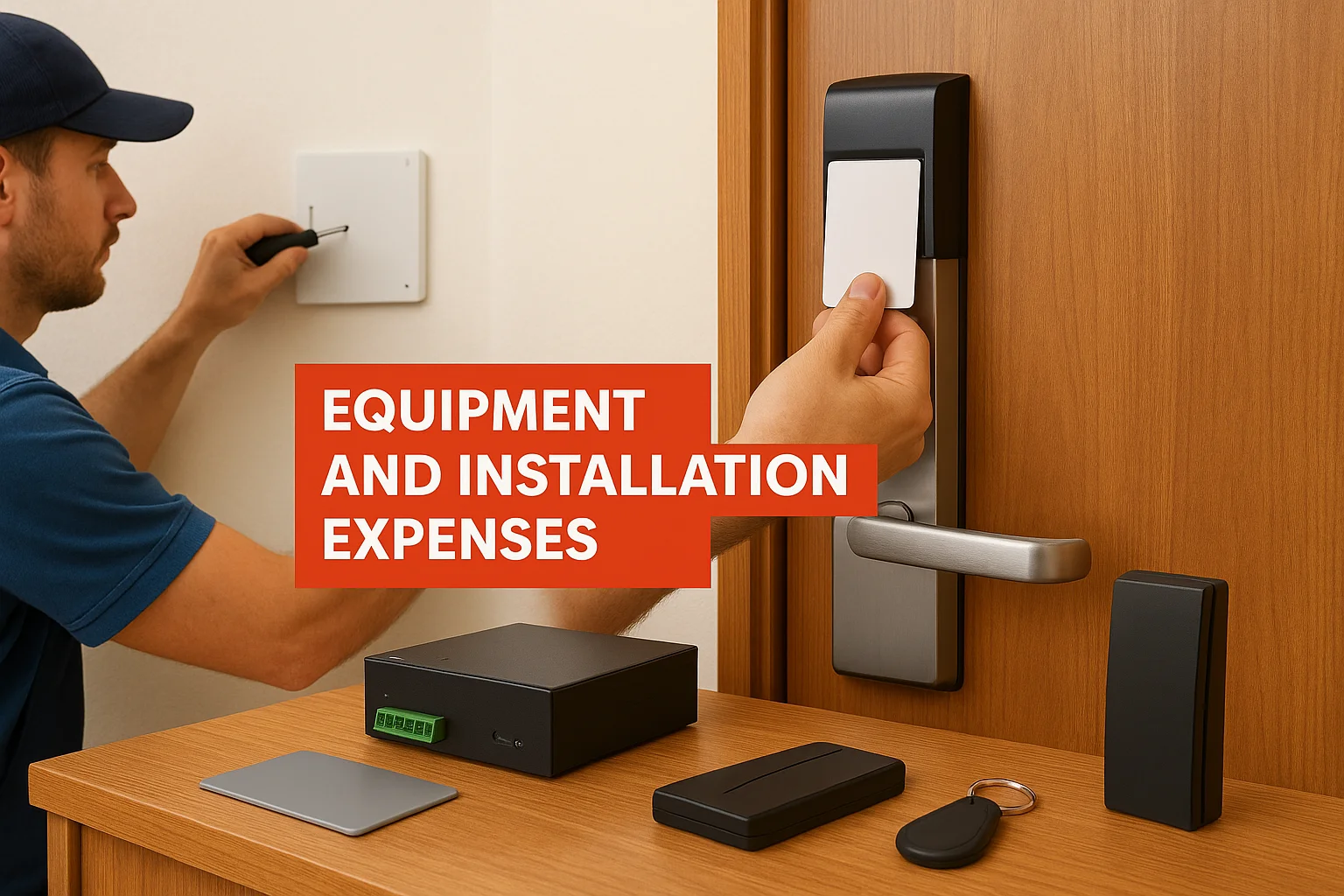
Properties with simple layouts and newer construction see lower installation costs than historic buildings with challenging access points or properties requiring extensive network infrastructure upgrades. The management software license might include a one-time purchase fee of $1,000 to $5,000 for on-premise systems or roll into your monthly subscription for cloud platforms.
Expect to invest $15,000 to $40,000 for a complete 20-room property installation, with larger properties benefiting from volume pricing on hardware.
Ongoing maintenance and service costs
Cloud-based systems charge monthly or annual subscription fees ranging from $10 to $50 per door, covering software updates, cloud storage, technical support, and system monitoring. Battery replacement for wireless locks costs $5 to $15 per lock annually, while credential expenses run $1 to $3 per keycard with mobile credentials eliminating this recurring cost entirely. You budget for occasional hardware failures that require lock replacement every five to seven years and potential service calls for troubleshooting connectivity issues or integrating new property management features as your business evolves.
How to choose and roll out a system
Selecting and implementing hotel access control systems requires a structured approach that balances your immediate security needs with long-term scalability as your property grows. You start by documenting your current pain points, whether that's high rekeying costs, lost keycards, or inability to track access events. Map out your property layout including guest rooms, service areas, parking structures, and amenities that need access restrictions, then identify which integration points matter most for your operations like property management software or existing surveillance systems.
Assessing your property needs
Property size and layout directly influence which system architecture works best for your situation. A small boutique hotel with 20 rooms operates efficiently with a wireless battery-powered system that installs quickly without extensive infrastructure changes. Larger properties with 100 or more rooms benefit from hardwired or hybrid systems that reduce battery maintenance and provide more reliable connectivity across multiple buildings or floors.
Your guest demographic affects credential technology choices, with tech-savvy business travelers appreciating mobile access while leisure guests might prefer traditional keycards. Consider whether you need integration with elevator controls, parking gates, or amenity spaces that require different access levels based on room type or guest status. Budget constraints matter, but focus on total cost of ownership including installation, maintenance, and potential rekeying savings rather than just hardware prices.
Properties that map their access control needs against actual guest flow patterns and staff workflows before purchasing typically avoid costly system changes within the first two years.
Planning the installation timeline
Phase your rollout by starting with guest room doors as your priority, then expanding to common areas, service entries, and amenity spaces once the core system proves stable. Schedule installation during low-occupancy periods to minimize guest disruption, blocking rooms in sections rather than attempting property-wide installation simultaneously. Train your front desk and housekeeping teams on the new system before going live, giving them hands-on practice with credential creation, guest troubleshooting, and emergency override procedures.
Testing every lock thoroughly before guest arrival prevents service failures that damage your reputation and create security gaps. You verify that credentials work correctly, access logs capture events accurately, and integrations with your property management system flow data both directions without errors.
Next steps for a safer property
Hotel access control systems transform your property security from reactive to proactive, giving you complete visibility and control over who accesses your building at any time. You eliminate the ongoing costs and security gaps that come with traditional lock-and-key systems while creating a better experience for both guests and staff through automated access management. The investment pays for itself through prevented security incidents, eliminated rekeying expenses, and reduced administrative workload at your front desk.
Start by documenting your specific security challenges and property layout, then request quotes from experienced commercial integrators who understand hospitality operations. You want a provider who installs systems daily, programs integration with your existing property management software, and provides local support when you need troubleshooting or system changes.
If you manage a property in Idaho's Treasure Valley area, contact our team to discuss your access control needs and get a detailed quote based on your building layout and requirements.
Need Expert Help?
Ready to implement these solutions in your own home or business?
Our Services
Comprehensive security solutions for home and business.
High-definition surveillance for peace of mind.

Complete home automation and control.

Whole-home audio and high-fidelity sound systems.
Serving the Treasure Valley
Local installation in your city