 (208) 991-3502
 Meridian, ID


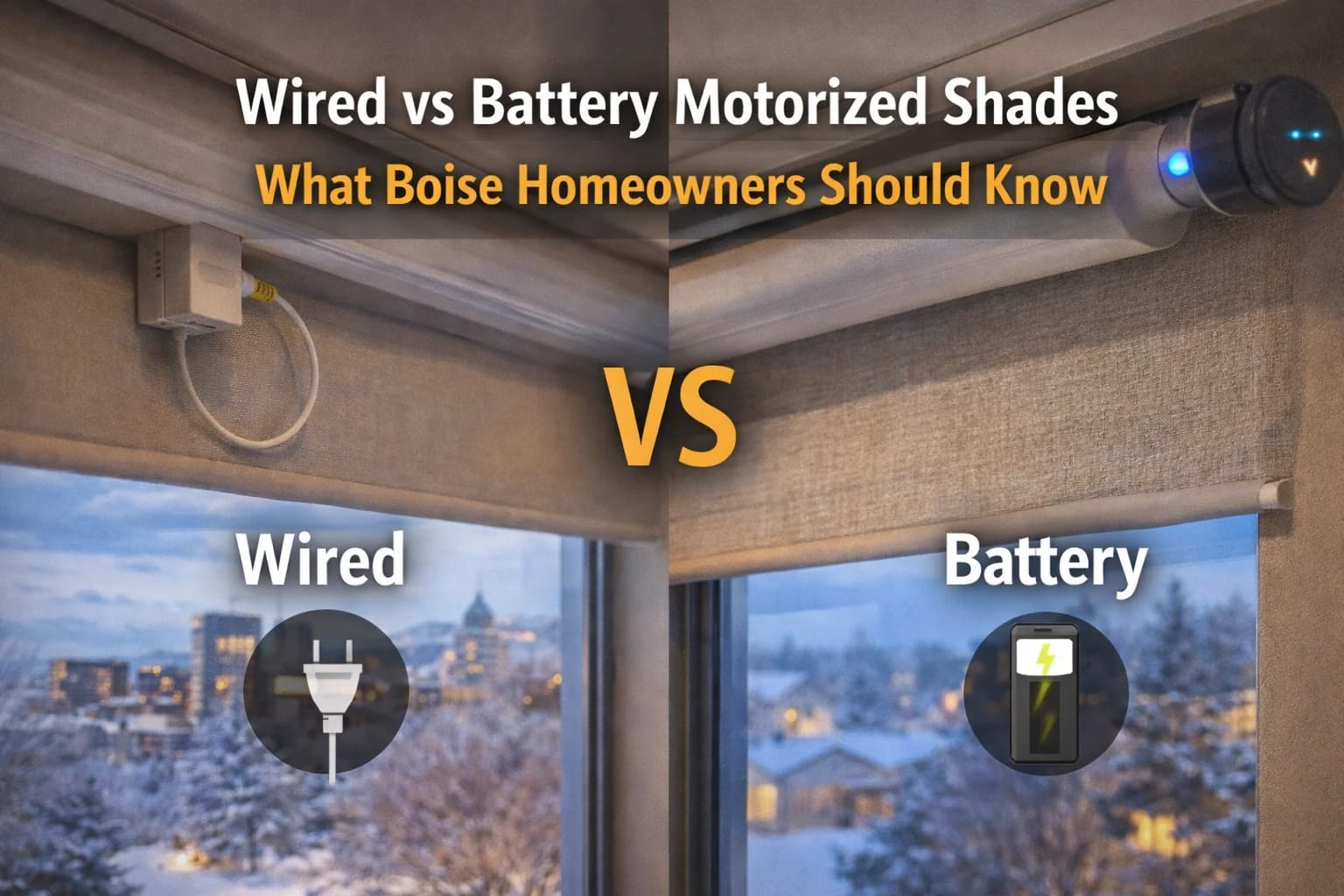

Choosing between wired and battery motorized shades can be confusing. This guide breaks down the pros, cons, costs, and best use cases for Boise homeowners planning smart window coverings.
Motorized shades are a smart upgrade for many Boise homes, but one of the most common questions homeowners face is how they should be powered. The two main options—wired and battery-powered motorized shades—each offer distinct advantages depending on the home, budget, and long-term plans.
Understanding the differences helps ensure your smart window coverings perform reliably, integrate smoothly with your home, and continue working well through Boise’s changing seasons.
Understanding Wired Motorized Shades
Wired motorized shades are connected directly to a home’s electrical system. Power is delivered through low-voltage wiring, allowing the shades to operate continuously without battery replacement.
Because they’re always powered, wired shades are often considered the most robust and reliable option—especially for homes with many windows or complex automation needs.
They’re commonly installed in:
New construction homes
Major remodels
Homes planning full smart home integration
Understanding Battery-Powered Motorized Shades
Battery-powered motorized shades operate using internal rechargeable or replaceable batteries. They do not require electrical wiring, making them popular for existing homes and retrofits.
These shades are typically quicker to install and avoid opening walls, which appeals to homeowners looking for a simpler upgrade.
Battery-powered shades are often used in:
Existing homes
Single-room upgrades
Hard-to-wire window locations
Reliability and Daily Performance
Reliability is one of the biggest differentiators between wired and battery-powered shades.
Wired shades deliver consistent performance because they’re not dependent on battery charge levels. They’re ideal for frequently used windows and automated schedules that run multiple times per day.
Battery-powered shades perform well too, but require periodic battery maintenance. If batteries aren’t recharged or replaced on schedule, automation can become inconsistent—especially during high-use seasons like summer and winter.
For homeowners researching long-term solutions, this reliability factor often becomes a deciding point when exploring options available through
👉 https://treasurevalleysolutions.com/services/
Installation Considerations for Boise Homes
Installation plays a major role in choosing the right power option.
Wired motorized shades:
Require access to electrical power
Are easiest during construction or renovation
Offer cleaner long-term operation
Battery-powered motorized shades:
Install faster
Avoid wall modifications
Are ideal for finished homes
In Boise neighborhoods with newer construction, wired shades are often planned early. In established areas with older homes, battery-powered options may make more sense initially.
Cost Differences and Long-Term Value
Battery-powered shades typically have lower upfront installation costs because they avoid wiring labor. However, over time, battery replacement or recharging adds ongoing maintenance.
Wired shades often cost more upfront but require less long-term attention and support heavier automation usage.
For homeowners planning to expand automation across multiple rooms, wired solutions often provide better long-term value—especially when paired with broader planning found within
👉 https://treasurevalleysolutions.com/solutions/homeowner-solutions/
Smart Home Integration and Automation
Both wired and battery-powered motorized shades can integrate into smart home systems, but wired shades generally handle:
More frequent schedules
Larger shade sizes
Multi-room automation
Battery-powered shades work well for lighter usage patterns and smaller installations but may have limits depending on system design.
For Boise homeowners interested in whole-home automation, wired power often provides more flexibility as systems grow.
Professional Installation Matters Either Way
Regardless of power type, professional installation ensures:
Correct motor sizing
Smooth, quiet operation
Accurate automation programming
Reliable long-term performance
Improper installation can shorten lifespan, reduce efficiency, and create frustration—especially in homes with large or uniquely shaped windows.
Frequently Asked Questions
Are wired motorized shades better than battery-powered ones?
Not always. Wired shades are more reliable for heavy use, while battery-powered shades offer easier installation for existing homes.
How often do batteries need to be replaced?
This depends on usage, shade size, and automation frequency. Many systems require attention every several months to a year.
Can battery shades be upgraded to wired later?
In some cases, yes—though it often requires additional installation work.
Which option is better for Boise summers?
Wired shades tend to perform better for frequent daily automation during peak summer sun.
Are wired shades only for new homes?
No, but they are easiest to install during construction or remodeling projects.
Choosing the Right Power Option for Your Home
There’s no one-size-fits-all answer when it comes to wired vs battery motorized shades. The right choice depends on your home’s layout, future plans, and how you want your shades to perform day after day.
With proper planning and professional installation, both options can deliver comfort, efficiency, and convenience for Boise homeowners.
Need Expert Help?
Ready to implement these solutions in your own home or business?
Our Services

Complete home automation and control.
Intelligent lighting control and automation.
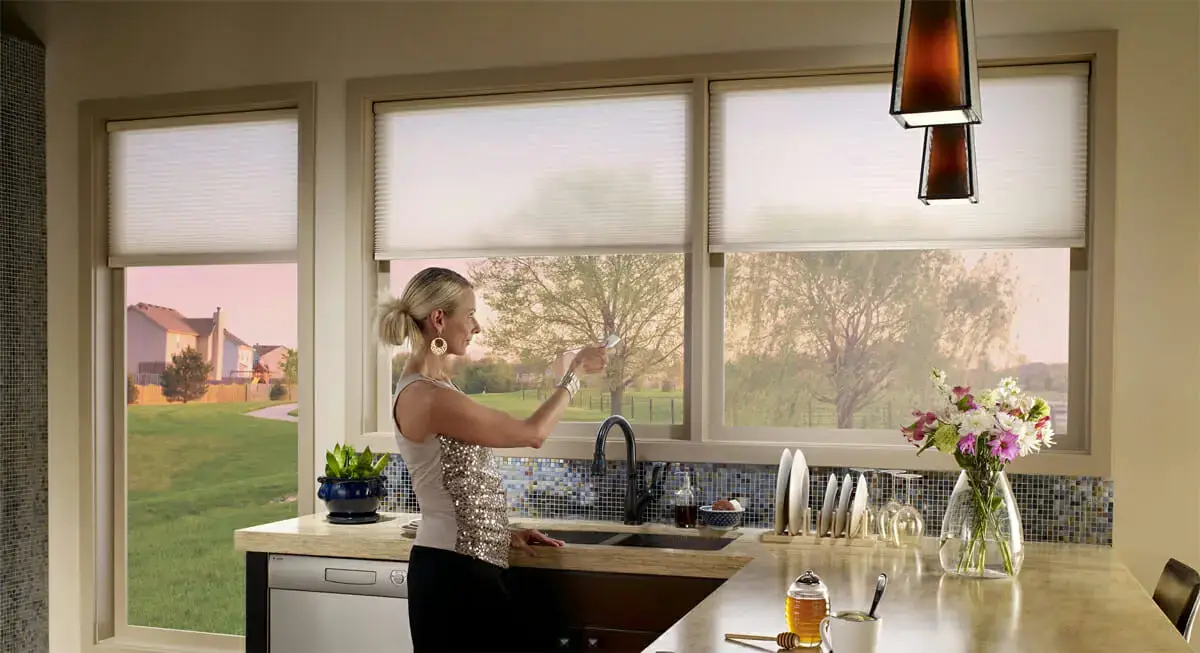
Motorized shades for convenience and energy efficiency.

Home theater design and installation planned around your room, viewing goals, and equipment scope.
Serving the Treasure Valley
Local installation in your city