 (208) 991-3502
 Meridian, ID



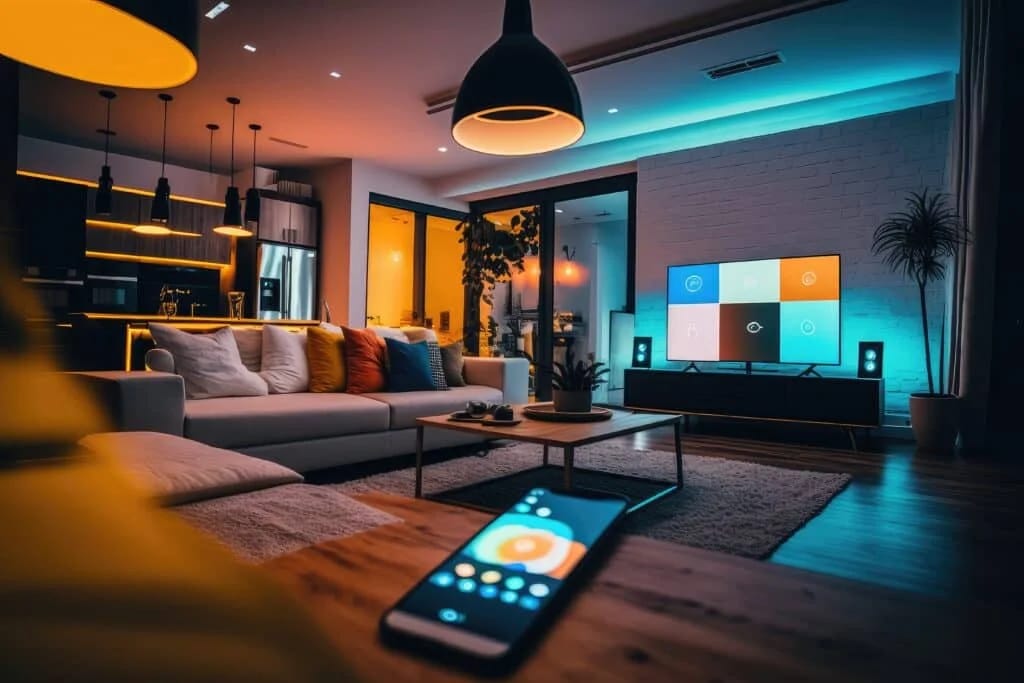

The best smart home upgrades don’t feel high-tech—they feel natural. Discover simple, reliable ways to increase comfort without adding complexity.
Introduction: Smart Homes Should Feel Effortless—Not Overwhelming
When most people hear “smart home,” they picture blinking lights, confusing apps, and a house that only works if you remember the right voice command.
That’s not comfort. That’s cognitive overload.
The truth is, the best smart home upgrades don’t demand attention. They quietly improve your day, remove friction, and make your home feel more responsive to your life—without requiring constant tinkering.
In this guide, we’ll explore smart home upgrades that increase comfort while staying simple, intuitive, and reliable. No gimmicks. No unnecessary complexity. Just technology that works the way a home should.
What Comfort Really Means in a Smart Home
Comfort isn’t about having the most devices. It’s about reducing effort.
A comfortable smart home:
Anticipates needs
Eliminates small daily annoyances
Works the same way every time
Doesn’t require tech knowledge to operate
When technology disappears into the background, comfort takes center stage.
Why Many Smart Homes Feel Complicated
Before diving into solutions, it helps to understand what goes wrong.
Most complicated smart homes suffer from:
Too many disconnected apps
Poor Wi-Fi coverage
DIY devices added one at a time
No central control strategy
Over-reliance on voice commands
The result? A house that technically does more—but feels harder to live in.
The goal isn’t more automation. It’s better automation.
Smart Home Upgrades That Deliver Comfort—Without the Headache
1. Smart Thermostats That Work Automatically
Temperature control is one of the most noticeable comfort upgrades—and one of the easiest to get right.
A well-installed smart thermostat:
Adjusts automatically based on schedule
Maintains consistent temperatures
Reduces hot and cold spots
Saves energy quietly in the background
The key is setup. When professionally configured, you don’t need to “manage” it. You simply enjoy a home that feels right all day long.
2. Whole-Home Wi-Fi That Just Works
Nothing kills comfort faster than buffering, dropped calls, or dead zones.
A properly designed home network:
Provides even coverage throughout the house
Supports multiple devices simultaneously
Eliminates the need to reset routers
Handles streaming, work, and smart devices together
This isn’t about buying a better router. It’s about strategic access point placement and wired infrastructure that supports everything else.
Strong Wi-Fi makes every smart upgrade feel smoother—without being noticed at all.
3. Smart Lighting That Matches Your Daily Rhythm
Lighting has a massive impact on how a home feels.
Simple smart lighting upgrades can:
Automatically adjust brightness throughout the day
Create warm evening scenes
Reduce harsh overhead lighting
Eliminate the need to walk through dark rooms
The most comfortable systems don’t require apps. They use:
Familiar wall keypads
Motion-based automation
Time-of-day schedules
You still flip a switch. It just behaves better.
4. Automated Shades for Effortless Light Control
Natural light is great—until it’s not.
Automated shades increase comfort by:
Reducing glare without blocking views
Managing heat gain automatically
Preserving privacy without manual effort
Protecting furniture from sun damage
Set once, they operate quietly in the background. No apps. No reminders. Just the right amount of light at the right time.
5. Whole-Home Audio That Feels Invisible
Music should follow your mood—not your phone.
A whole-home audio system:
Plays music evenly without hotspots
Eliminates visible speakers and clutter
Uses simple controls or presets
Works room-by-room or throughout the house
Unlike portable speakers, wired audio systems don’t need charging, pairing, or troubleshooting. They’re always ready—and that’s where comfort lives.
6. Smart Entry That Reduces Daily Friction
Smart locks and doorbells are comfort upgrades when done right.
They allow you to:
Unlock doors hands-free
Let in family or guests remotely
Know when packages arrive
Eliminate key juggling
The trick is reliability. Professionally installed smart entry systems integrate cleanly with your home—without becoming another app you babysit.
7. Simple Security That Brings Peace of Mind
Security doesn’t have to feel like surveillance.
Comfort-focused security systems:
Operate automatically
Send alerts only when needed
Integrate cameras discreetly
Don’t require daily interaction
When a system is well-designed, you stop thinking about it—and that’s the point.
The Role of Low-Voltage Infrastructure in Comfort
Behind every comfortable smart home is proper wiring.
Low-voltage infrastructure:
Reduces reliance on Wi-Fi alone
Improves response times
Prevents system conflicts
Allows future upgrades without disruption
This is where many DIY systems fall short. Infrastructure isn’t exciting—but it’s what makes everything feel seamless.
Why Fewer, Better Systems Create More Comfort
Comfort improves when:
Systems are unified
Controls are consistent
Automation is predictable
A home with five well-integrated upgrades feels far better than one with twenty disconnected devices.
Simple doesn’t mean limited. It means intentional.
How Professionals Keep Smart Homes Feeling Simple
A professional integrator designs around:
Your daily routines
Your comfort preferences
Your long-term plans
Your tolerance for complexity
They focus on:
Fewer apps
Familiar controls
Clean installation
Long-term reliability
That’s how technology enhances life instead of complicating it.
Common Mistakes That Reduce Comfort
Adding devices without a plan
Relying solely on voice control
Skipping network upgrades
Over-automating small tasks
Choosing gadgets instead of systems
Each one adds friction instead of removing it.
Comfort That Grows with You
The best smart homes don’t feel “done.” They feel adaptable.
When your infrastructure is right and systems are thoughtfully chosen, you can:
Add features gradually
Adjust automation as life changes
Upgrade technology without disruption
Comfort becomes a long-term asset—not a short-lived novelty.
Final Thoughts: Comfort Should Feel Natural
A truly comfortable smart home doesn’t announce itself.
Lights adjust quietly. Temperature stays consistent. Music fills the room without effort. Security runs silently in the background.
That’s not complicated technology—it’s thoughtful design.
If your home feels easier to live in than it did before, the smart upgrades are doing their job.
Need Expert Help?
Ready to implement these solutions in your own home or business?
Our Services

Complete home automation and control.

Intelligent lighting control and automation.
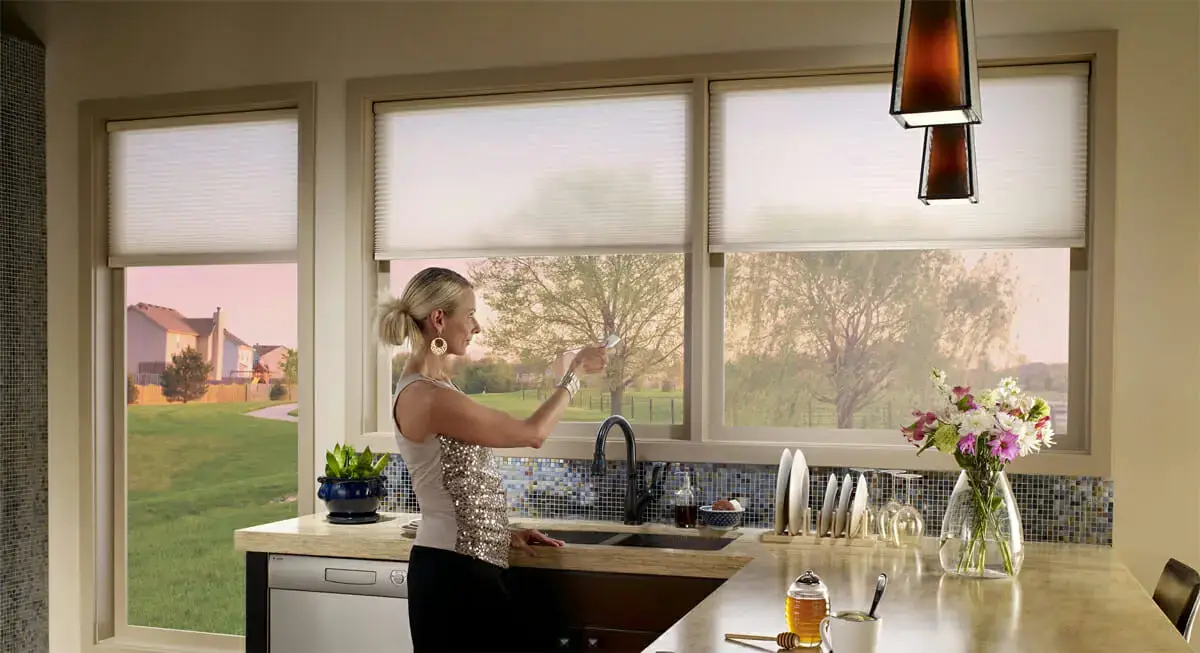
Motorized shades for convenience and energy efficiency.
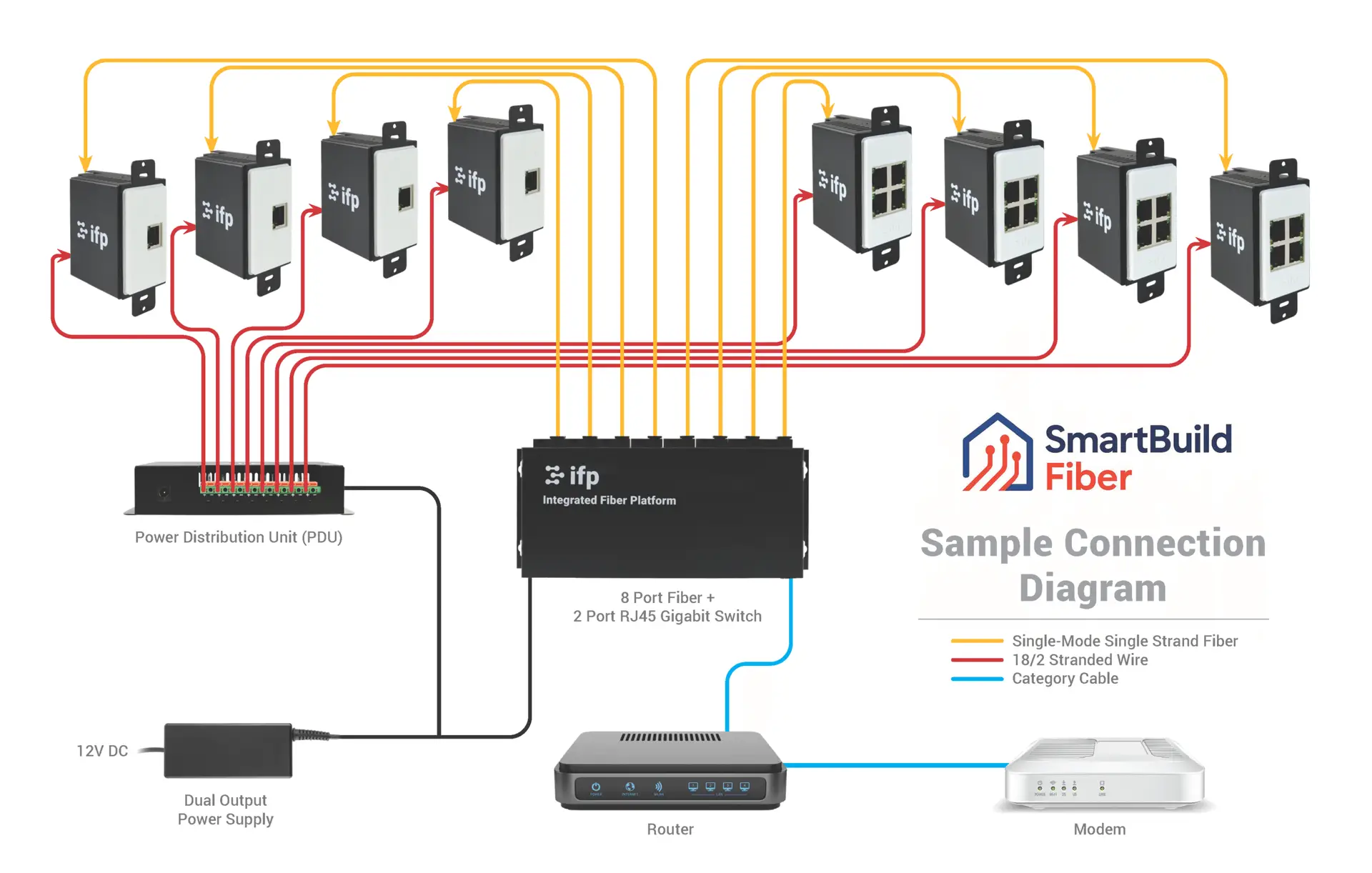
Future-proof fiber optic infrastructure.
Serving the Treasure Valley
Local installation in your city