 (208) 991-3502
 Meridian, ID



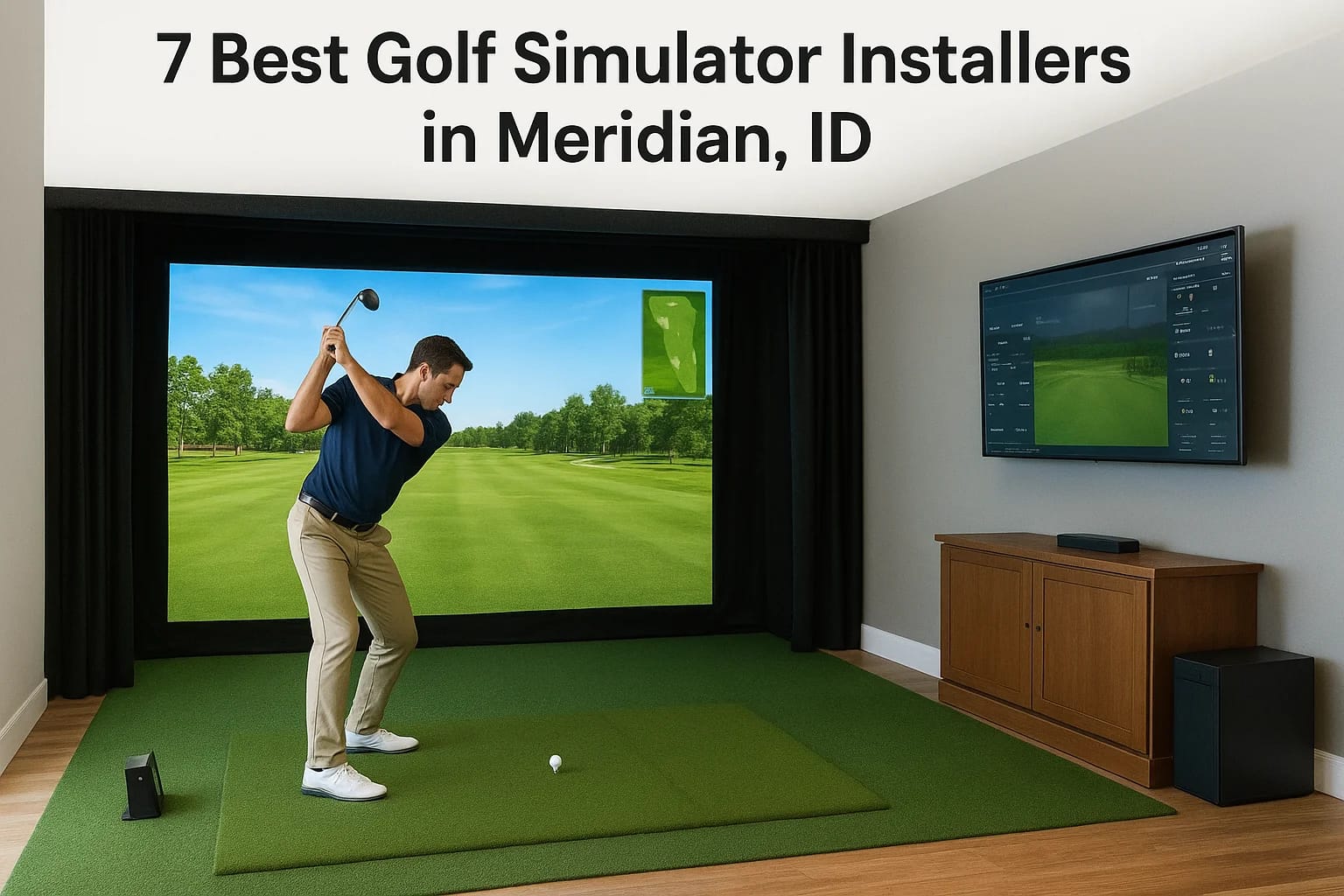

Turning a spare room or garage into a golf simulator setup sounds simple until you start asking about screen size, projector throw distance, mat sensors, and how to wire it all without an eyesore of c...
Turning a spare room or garage into a golf simulator setup sounds simple until you start asking about screen size, projector throw distance, mat sensors, and how to wire it all without an eyesore of cables. Finding the right golf simulator installer in Meridian is where most homeowners get stuck, because a lot of companies sell you the hardware but leave the setup, calibration, and troubleshooting on your plate. You want someone who treats this like a real technology install, not a weekend DIY project.
This guide answers exactly what you're searching for: who actually installs and supports golf simulators in Meridian, what each installer specializes in, and roughly what you'll pay depending on room size and equipment quality. We pulled from local reviews, project scope, and direct experience working on Treasure Valley AV builds to rank the options that deliver a system you'll actually enjoy using.
Below you'll find seven installers worth calling, from full-service integrators handling custom home theaters and simulators together to specialists focused purely on simulator hardware and screens. Each entry covers pricing ranges, install quality, and what kind of client they fit best, so you can pick the right one for your space and budget without wasting a consultation.
1. Treasure Valley Solutions
Treasure Valley Solutions tops this list because they build golf simulator rooms the same way they build a home theater or whole-home audio system: with a full design plan, clean cable runs, and calibration that actually gets tested before they leave your house. This isn't a company that drops off a projector and a screen and calls it done. Custom design work happens before a single bracket goes on the wall, which matters because simulator rooms live or die on projector throw distance, screen tension, and mat placement relative to your swing path.
What they offer
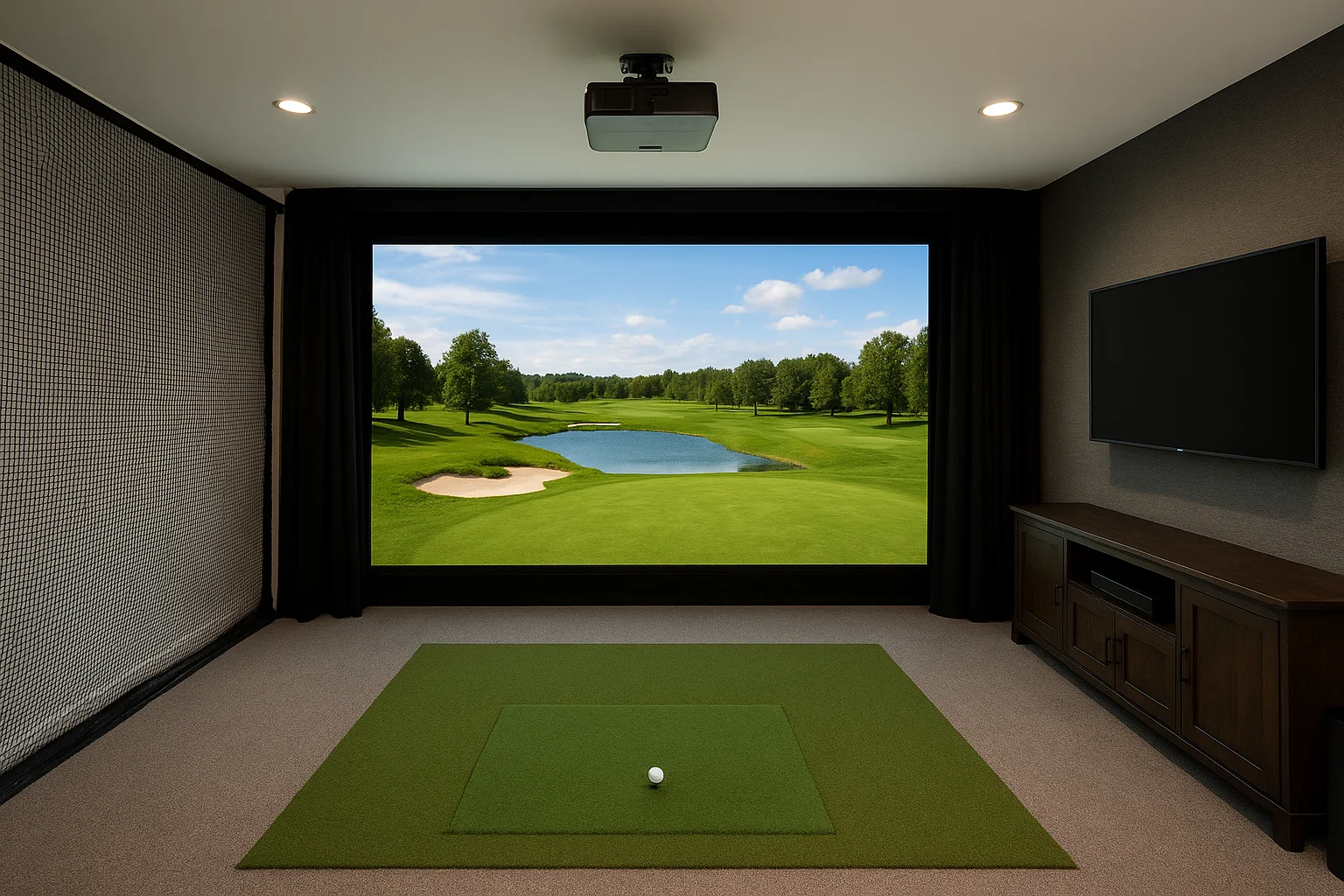
The team designs and installs complete simulator bays, covering impact screens, short-throw or ultra-short-throw projectors, launch monitor integration, hitting mats, side and back netting, and the lighting and audio that make the room feel like an actual golf lounge instead of a garage with a screen bolted to it. They also handle the structural side: framing enclosures, reinforcing ceilings or walls for netting tension, running dedicated power and low-voltage wiring, and hiding every cable so the room looks finished, not wired together over a weekend. If you already have simulator hardware from a launch monitor brand and just need someone to build the room around it, they'll work with what you have instead of forcing a full replacement.
A golf simulator installed like an afterthought plays like one, too. Treasure Valley Solutions treats the room as a real technology build, which is why the calibration actually holds up after install day.
Beyond the simulator itself, they can fold in voice control, smart lighting scenes for different times of day, and whole-home audio zones so the simulator room ties into the rest of your smart home instead of sitting as an isolated add-on. That integration piece is where most simulator-only installers fall short.
Who it's best for
Homeowners who want the simulator room to look and function like a real part of the house, not a converted storage space, are the best fit here. This also suits residential builders working on new construction who want simulator rooms pre-wired before drywall goes up, and property owners who plan to eventually add more smart home features around the simulator setup. If you want one point of contact for the simulator, the home theater next door, and the security system on the same property, Treasure Valley Solutions handles all of it under one service relationship instead of juggling three vendors.
Pricing
Pricing depends heavily on room size, screen and projector quality, and whether structural work like framing or netting installation is needed. Below is a rough range based on typical project scope:
| Package tier | What's included | Typical price range |
|---|---|---|
| Basic simulator install | Impact screen, projector mount, hitting mat setup, basic wiring | $6,000 to $10,000 |
| Mid-range custom room | Enclosure framing, netting, projector and screen, ambient lighting | $12,000 to $20,000 |
| Premium integrated bay | Full room build, premium AV, smart lighting, audio zones, voice control | $22,000 and up |
They provide transparent quotes after an on-site consultation, so you know the real number before committing rather than getting a lowball estimate that grows once installation starts.
Location and contact
Treasure Valley Solutions is based in Meridian and services the greater Treasure Valley area, including Boise, Eagle, Nampa, and Star. You can reach out through their website at treasurevalleysolutions.com to schedule a consultation or request a quote, and their local team typically handles both the design walkthrough and the installation itself rather than outsourcing to subcontractors.
2. Virtual Tee
Virtual Tee built its name on simulator hardware first, running a small showroom where you can actually hit balls into a couple of screen setups before buying anything. This hands-on approach matters if you've never tried a golf simulator installer in Meridian before and want to feel the difference between a budget projector and a higher-end one before spending thousands on your own room.
What they offer
Virtual Tee sells and installs simulator packages built around a handful of pre-configured bundles rather than fully custom room design. Their standard packages cover the impact screen, projector, launch monitor, and hitting mat, and installation is usually a one-day job once the room is ready for them. They don't typically handle framing, drywall work, or netting enclosures, so if your garage or bonus room needs structural prep, you're arranging that separately before they show up.
A pre-configured simulator package gets you playing fast, but it also means less flexibility if your room has an odd shape or ceiling height.
Expect them to focus tightly on the simulator hardware itself. Support after install leans toward phone troubleshooting and warranty claims through the equipment manufacturer rather than an in-house service team showing up to fix a wiring issue.
Who it's best for
Homeowners with a straightforward, already-finished room, think a standard garage bay or basement with decent ceiling height, fit this option well. It also suits buyers who know exactly which launch monitor brand they want and mainly need someone to mount the screen and projector correctly. If you're chasing a fast turnaround over a fully customized room build, Virtual Tee moves quicker than integrators doing full design work.
Pricing
Packages generally run in these ranges depending on the launch monitor tier you choose:
| Package | Typical price range |
|---|---|
| Entry-level bundle | $5,500 to $8,000 |
| Mid-tier bundle with premium mat | $9,000 to $13,000 |
| High-end launch monitor package | $15,000 and up |
These figures cover hardware and a standard install, not structural room prep or custom enclosures.
Location and contact
Virtual Tee operates out of a showroom near Meridian, with installation service extending to Boise, Nampa, and Eagle. Reach out through their website or by phone to book a showroom visit before scheduling an install, since seeing the equipment in person helps most first-time buyers pick the right package.
3. Tee Box Meridian
Tee Box Meridian started as an indoor golf lounge before adding a home installation arm, so the crew installing your simulator has actually run these systems in a commercial setting first. That background shows up in how they talk about ball flight accuracy and sensor placement. They're not reading from a spec sheet, they've watched hundreds of swings hit the same screens they're now selling for home use.
What they offer
Tee Box Meridian sells a mid-range lineup of simulator packages built around two or three launch monitor brands they've vetted through their own lounge. Installation covers the screen and projector mount, mat setup, and basic software configuration, plus a walkthrough on using the swing analysis features once everything's calibrated. They'll also do minor room prep like patching drywall or adding an outlet, but bigger structural jobs, netting enclosures, or ceiling reinforcement get referred out to a contractor they trust rather than handled in-house.
A team that runs its own indoor golf lounge knows which sensors actually hold calibration under daily use, not just on install day.
Support after the sale leans on their lounge staff, so if something glitches, you can usually get a real answer over the phone instead of waiting on a manufacturer's ticket queue.
Who it's best for
This fits homeowners who want a simulator setup validated by real-world commercial use before it goes in their garage or bonus room. It also suits golfers who like the idea of testing equipment at the lounge first, since you can hit balls on the same brand of screen and monitor before committing to a home install. If your room needs heavy structural work, this isn't the best match since that piece gets outsourced.
Pricing
Pricing sits close to mid-market, with most home installs falling into this range:
| Package | Typical price range |
|---|---|
| Standard bay install | $6,500 to $9,500 |
| Enhanced package with premium mat | $10,000 to $14,500 |
| Full launch monitor upgrade | $16,000 and up |
Quotes typically include a site visit to confirm ceiling height and power access before finalizing the number.
Location and contact
Tee Box Meridian runs its lounge and install business out of a location in Meridian, with service extending to Boise and Nampa. You can book a lounge session or request an install quote through their website, and most customers start with a visit to the lounge before scheduling anything for their own home.
4. Idaho Premier Golf
Idaho Premier Golf leans into the country club crowd, building simulator rooms that pair with a home bar, a putting green, or a golf-themed lounge rather than a bare-bones garage bay. If you want your simulator room to double as an entertaining space, this installer designs with that goal from the start instead of treating the screen as the only thing in the room.
What they offer
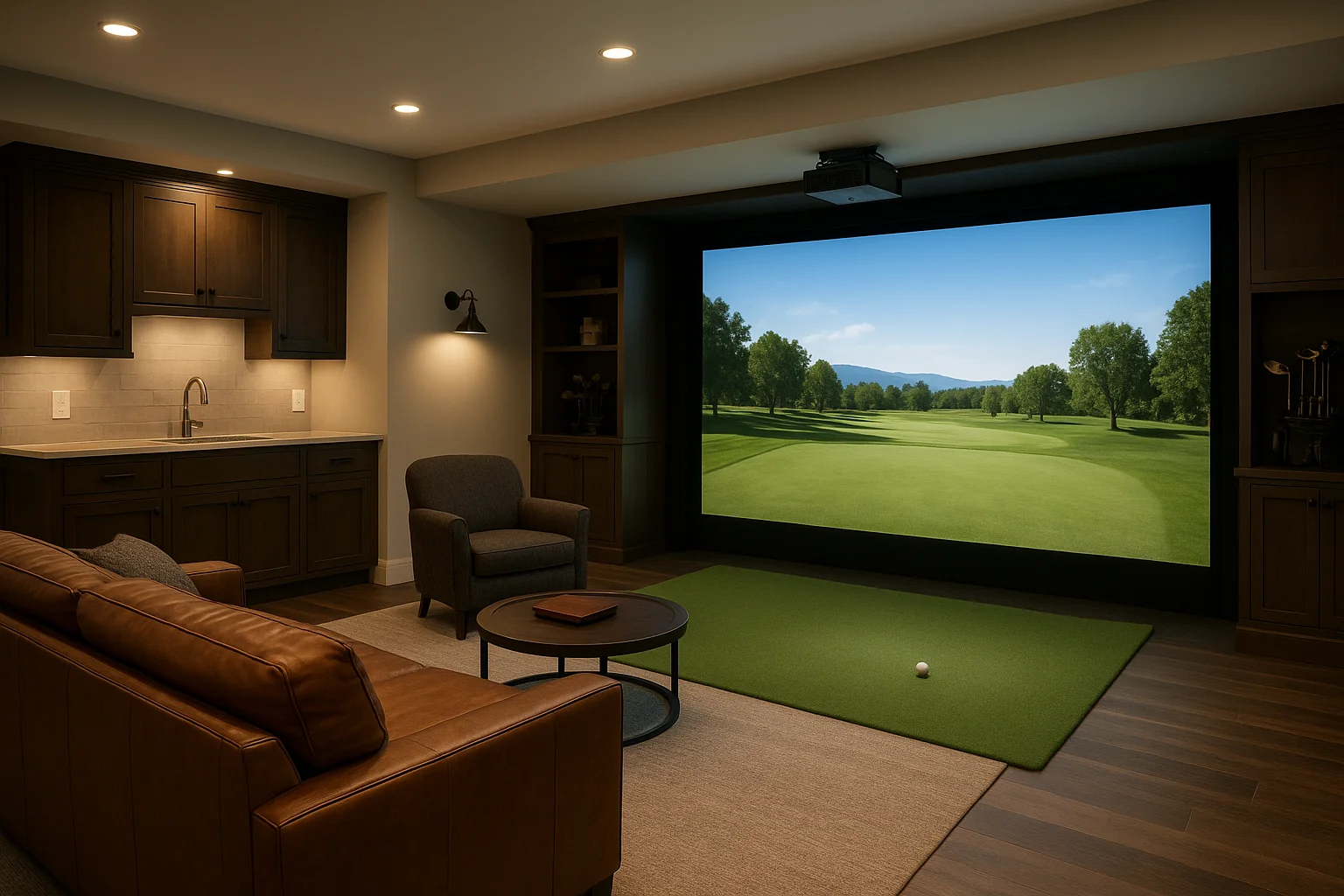
Idaho Premier Golf builds full simulator lounges that include the screen, projector, and mat, but also flooring upgrades, custom cabinetry for club storage, and accent lighting meant to make the space feel like a private club room. They work with a short list of premium launch monitor brands and won't push a budget setup just to close a sale, which means quotes run higher but the finished room usually looks more polished than a standard bay. Structural work like ceiling reinforcement and netting enclosures gets handled in-house, so you're not coordinating a separate contractor for that piece.
A simulator room built to double as a lounge gets used far more often than one that only works for hitting balls.
They also offer seasonal maintenance visits, checking screen tension, projector alignment, and sensor calibration a few times a year, which most other installers on this list don't include as a standard offering.
Who it's best for
This fits homeowners with a bigger budget who want the simulator room to double as a hosting space for friends, not just a private practice spot. It also suits golfers upgrading from a smaller setup who now want a premium build with better lighting, flooring, and furniture to match. If you're working with a tight budget or a small room, the design-heavy approach here doesn't leave much room to trim costs.
Pricing
Expect pricing on the higher end given the lounge-style build and premium equipment focus:
| Package | Typical price range |
|---|---|
| Standard lounge build | $14,000 to $20,000 |
| Premium lounge with cabinetry and flooring | $22,000 to $30,000 |
| Full custom bar and simulator combo | $32,000 and up |
Maintenance plans get quoted separately, usually as an annual add-on after the initial install.
Location and contact
Idaho Premier Golf operates out of a design studio near Meridian, with installs completed throughout Boise, Eagle, and Nampa. Scheduling starts with a design consultation through their website, where they'll walk through room layout options before pricing out the full build.
5. X-Golf Boise
X-Golf Boise is a franchise indoor golf entertainment venue, not a residential installer, but it's worth including because so many Meridian searches for simulator options are actually people trying to decide between building a home setup and just joining a golf venue instead. The franchise model means the technology is standardized across locations, so what you get in Boise looks a lot like an X-Golf in Denver or Nashville, just closer to home.
What they offer
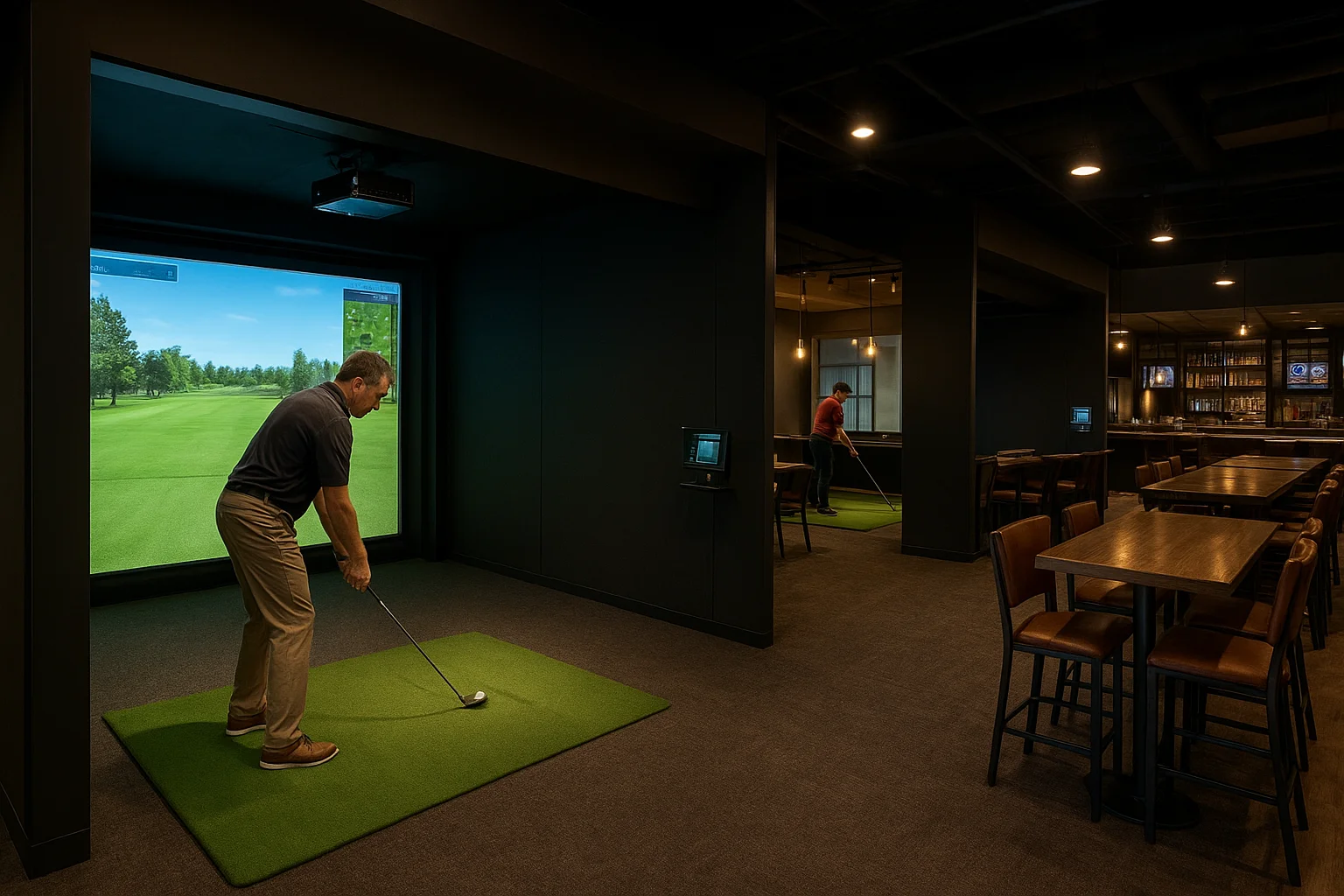
X-Golf runs multiple simulator bays inside one location, each running the same launch monitor software across a lineup of courses, practice ranges, and mini-games. The space also includes food and drink service, so you're renting bay time in a restaurant-style setting rather than hitting balls alone in a garage. Bays come pre-calibrated and maintained by staff, which means you never touch a wrench or worry about projector alignment yourself.
Renting bay time skips every installation headache, but you're paying by the hour for a room you'll never own.
Group bookings and leagues run through their system too, so if you want social golf with friends or coworkers rather than solo practice, this format fits that better than a private home bay ever could.
Who it's best for
Golfers who want to try simulator golf regularly without spending five figures on a home build fit this option well. It also suits people hosting birthday parties, work outings, or league nights who need a venue with food service built in, not just a screen and a mat. If you're set on eventually building your own room at home, X-Golf still works as a place to test different launch monitor brands before you commit to buying one.
Pricing
Bay rental runs by the hour, with rates varying by time of day and group size:
| Booking type | Typical price range |
|---|---|
| Off-peak hourly rate | $35 to $50 per bay |
| Peak hourly rate | $55 to $75 per bay |
| Membership plans | $100 to $200 per month |
Membership tiers typically include discounted hourly rates and priority booking for leagues.
Location and contact
X-Golf Boise sits inside the Boise metro area, a short drive from most Meridian neighborhoods. Booking happens online through their reservation system, and walk-ins get accepted when bays are open, though weekend evenings fill up fast enough that reserving ahead is the safer bet.
6. Back Nine Golf
Back Nine Golf runs a smaller, no-frills indoor golf venue that skips the restaurant setup in favor of just giving you bay time at a lower price point. It's a good pick if you want to hit balls on a real simulator without paying for a full night out around it. Unlike the franchise polish of X-Golf, Back Nine Golf feels more like a local golf shop that happens to have a few simulator bays in the back.
What they offer
Back Nine Golf has three simulator bays, each set up with a mid-tier launch monitor and a rotating course library that covers most of the well-known public and private courses golfers ask for. There's no kitchen or bar service, so the space stays focused purely on hitting balls and running practice sessions rather than doubling as an entertainment venue. Staff handle basic calibration checks between bookings, and you can rent clubs on-site if you didn't bring your own, which makes it an easy stop for someone who wants to test simulator golf without any commitment.
A bare-bones bay setup means lower rental rates, but don't expect the extras that come with a full entertainment venue.
They also run occasional practice clinics with a local instructor, using the simulator's swing data to break down mechanics in a way that's hard to do on an outdoor range.
Who it's best for
This fits golfers who want cheap, no-frills practice time rather than a social outing, especially those working on swing mechanics who care more about data than atmosphere. It also suits budget-conscious players comparing simulator hardware before deciding whether a home setup makes sense, since the rates here undercut most other rental venues in the area. If you want food, drinks, or a lounge vibe, this isn't the venue for that.
Pricing
Rental rates run lower than the entertainment-focused venues on this list:
| Booking type | Typical price range |
|---|---|
| Standard hourly rate | $25 to $40 per bay |
| Instructor-led clinic | $60 to $90 per session |
| Punch card (10 sessions) | $220 to $300 |
Punch cards offer the best per-session value if you plan on practicing weekly.
Location and contact
Back Nine Golf operates out of a modest facility in Meridian, close enough to most neighborhoods that it works as a quick after-work stop. Booking runs through a simple online calendar on their site, and phone bookings are accepted too if you'd rather skip the online form entirely.
7. Allstrokes Golf Club
Allstrokes Golf Club rounds out this list as a membership-driven indoor golf facility built for players who want a home base rather than a one-off booking. Instead of renting bays by the hour like Back Nine or X-Golf, Allstrokes Golf Club leans on recurring membership tiers, so it fits golfers who plan to show up weekly, not just for the occasional birthday outing.
What they offer
Allstrokes runs four simulator bays with a premium launch monitor on every setup, plus a small practice putting area and a simulator-based short game trainer that most rental venues skip. Members get access to a course library that updates a few times a year, along with tournament nights that run bracket-style competitions across multiple bays at once. Staff handle all calibration and software updates, so you never touch the equipment beyond swinging the club, and lesson packages with a resident instructor are available as an add-on rather than baked into membership.
A membership model rewards golfers who show up consistently, but it's a poor fit if you only want to try a simulator once or twice.
Non-members can still book bay time on a walk-in basis when space allows, though member priority booking means weekend slots fill up with regulars first.
Who it's best for
This fits golfers who already know they'll use a simulator regularly and want predictable monthly costs instead of paying per session. It also suits players interested in league play, since Allstrokes runs recurring tournament nights that build a community around the space rather than treating it as a rotating door of one-time visitors. If you're still deciding whether simulator golf is worth the investment at all, committing to membership before testing a few sessions elsewhere probably isn't the smartest first move.
Pricing
Membership tiers scale by access level and booking priority:
| Membership tier | Typical price range |
|---|---|
| Basic (off-peak access) | $80 to $120 per month |
| Standard (full access) | $140 to $180 per month |
| Premium (priority booking, lessons included) | $220 to $280 per month |
Non-member walk-in rates run around $45 to $60 per bay when slots are open.
Location and contact
Allstrokes Golf Club operates out of a facility in Meridian, drawing members from Boise, Eagle, and Nampa as well. Membership sign-up and walk-in bookings both run through their website, and staff recommend calling ahead before a weekend visit since member bookings tend to lock up peak hours fast.
8. Home installation vs. indoor golf venues: which fits you?
Deciding between a private simulator room and a membership at a local venue comes down to how often you'll actually play and how much control you want over the room itself. Home installations cost more upfront, but you own the space, set your own hours, and never wait for a bay to open up on a Saturday afternoon. Indoor venues like X-Golf Boise or Allstrokes Golf Club skip the big upfront cost entirely, trading ownership for convenience and social atmosphere.
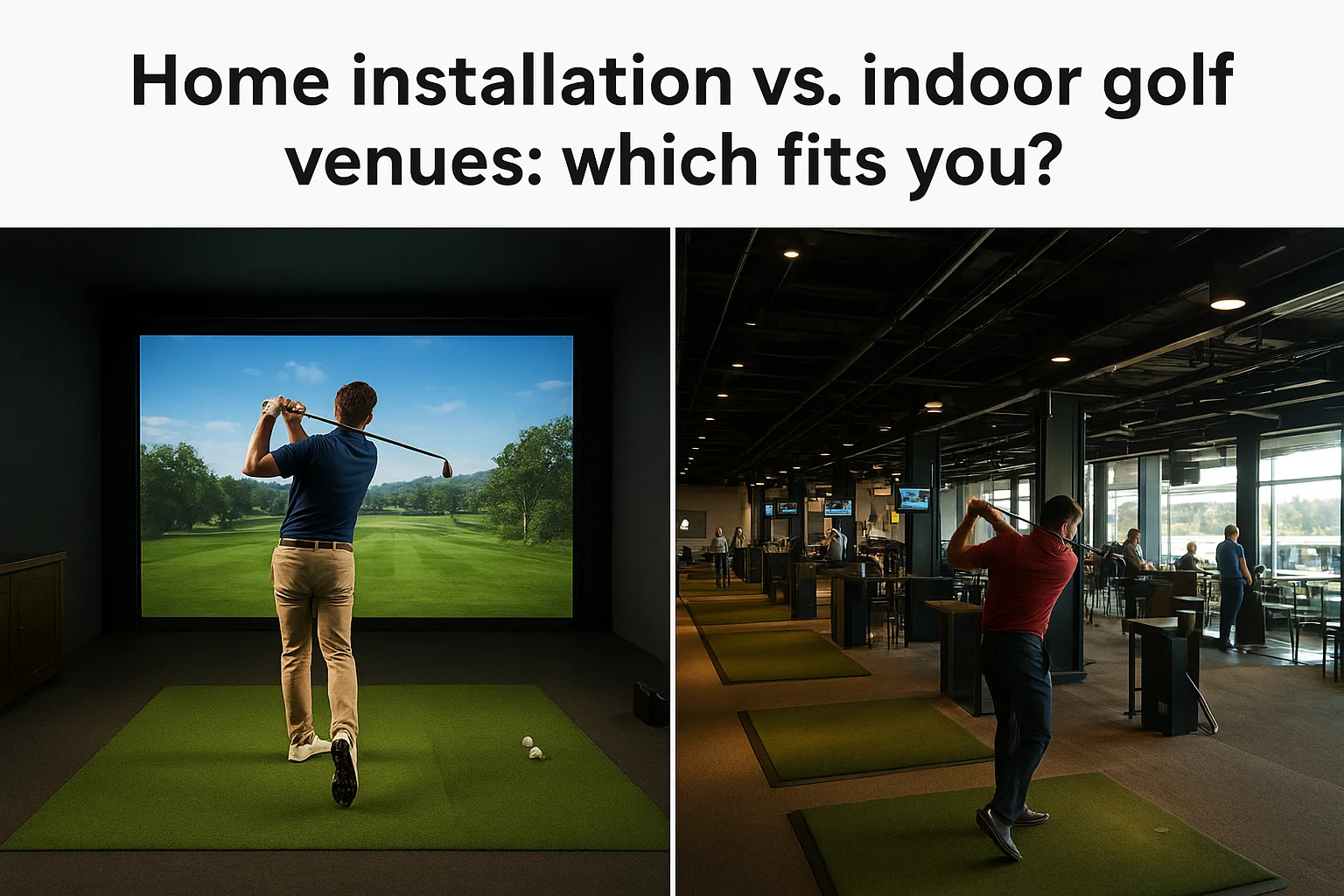
If you'd use a simulator more than twice a week, a home build usually pays for itself within a couple of years compared to membership fees.
Economics matter here more than most buyers expect. A $12,000 mid-range room from a golf simulator installer in Meridian breaks even against a $150-a-month membership in about six to seven years, but that math shifts fast if you're playing three or four sessions a week instead of one. Frequent players save money at home. Occasional players almost always come out ahead renting bay time.
Comparing the two paths
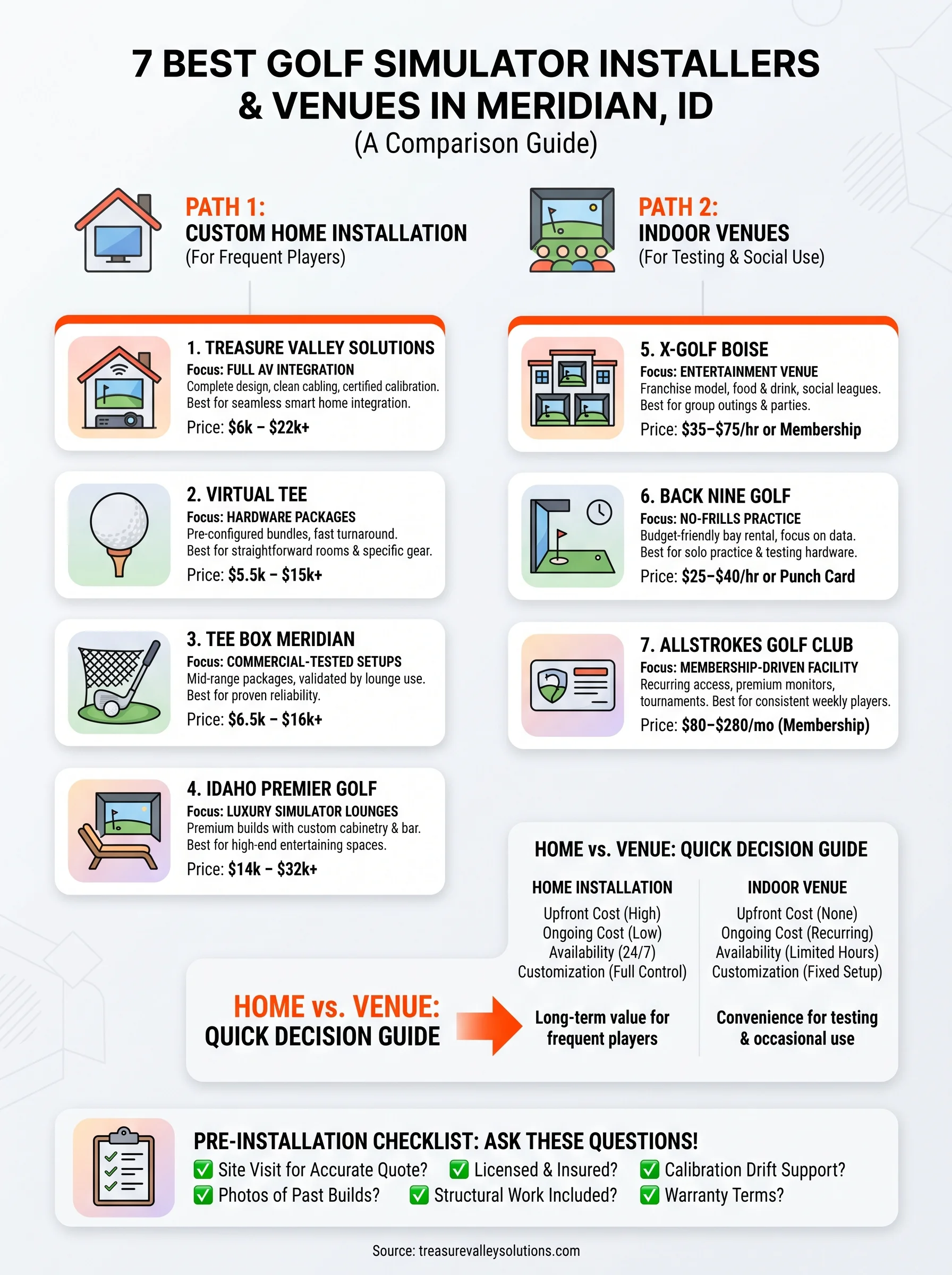
| Factor | Home installation | Indoor golf venue |
|---|---|---|
| Upfront cost | $6,000 to $30,000+ | $0 |
| Ongoing cost | Minimal, occasional maintenance | $80 to $280/month or hourly fees |
| Availability | 24/7, no booking needed | Limited to open hours and bay availability |
| Social element | Depends on who you invite | Built-in through leagues and lounges |
| Customization | Full control over room, lighting, audio | None, fixed venue setup |
| Long-term value | Builds equity in your home | No ownership, recurring cost forever |
Space matters just as much as money. Garages, bonus rooms, and basements with at least 10-foot ceilings and 15 feet of depth work fine for a home build, but plenty of Treasure Valley homes don't have that room to spare without renovation. Renters and anyone in a smaller home should lean toward a venue membership rather than forcing a simulator into a space that's too tight for a full swing.
Think about longevity too. Kids growing up in a household with a simulator room get years of use out of it, while a venue membership works better for someone testing whether they even like simulator golf before committing real money. Neither option is wrong, but knowing your actual play frequency before you spend a dollar saves you from buyer's remorse either way.
9. What to check before hiring a golf simulator installer
Before you sign anything, ask every candidate the same set of questions, because the answers reveal whether you're hiring a real technology integrator or a delivery service that drops off equipment and leaves. Licensing and insurance should be non-negotiable, not a nice-to-have, since a botched netting enclosure or a mis-mounted projector can turn into a real liability if something falls or a wire shorts out behind drywall. Treat this search the same way you'd treat hiring an electrician: credentials first, price second.
Site visits separate serious installers from ones guessing over the phone. Anyone quoting a firm price without measuring your ceiling height, checking power access, and walking the room in person is skipping a step that matters, because throw distance and mat placement depend entirely on the space you actually have. A golf simulator installer in Meridian worth hiring will want eyes on the room before locking in numbers, not after.
If a company quotes you a final price without ever seeing your room, that's your first warning sign, not a convenience.
Warranty terms and post-install support deserve just as much attention as the hardware itself. Ask what happens if the projector drifts out of alignment six months in, or if a sensor stops reading swings correctly during a launch monitor update. Some installers, like Treasure Valley Solutions, handle calibration and troubleshooting as an ongoing relationship, while others hand you a manufacturer's support number and consider the job done. Know which one you're getting before you pay a deposit.
Use this checklist on your first call with any installer:
- Are you licensed and insured for residential or commercial electrical work?
- Will someone visit my space before quoting a final price?
- What happens if calibration drifts after install day?
- Can you show photos or references from past simulator builds?
- Is structural work like netting and framing included, or outsourced?
- What's covered under warranty, and for how long?
References matter more than a polished website. Photos of past simulator builds tell you more about install quality than a sales pitch ever will, and a company confident in its work will happily connect you with a past client. Skip anyone who dodges that request or can't produce examples beyond a stock photo gallery.
10. Frequently asked questions about Meridian golf simulators
How much space do I actually need for a home simulator?
Most setups need at least 10 feet of ceiling height, 15 feet of depth, and 10 feet of width to safely swing a driver without clipping the enclosure. Ceiling height trips up more homeowners than any other measurement, since a 9-foot garage ceiling forces you into a shorter club-only setup or a costlier structural modification. Measure before you call anyone, and mention exact numbers on your first consultation so quotes come back realistic instead of guesswork.
Is a DIY simulator kit cheaper than hiring an installer?
Buying a kit online looks cheaper upfront, but mounting mistakes on projectors and screens are common, and a miscalibrated launch monitor makes the whole system frustrating to use. A licensed golf simulator installer in Meridian tests throw distance, mat alignment, and sensor accuracy before handing you the keys, which a self-install skips entirely. Factor in your own time and the risk of redoing work, and the price gap shrinks fast.
Paying for professional calibration once beats troubleshooting a shaky DIY setup every weekend for the next two years.
Can existing launch monitor hardware be reused in a new room build?
Yes, most installers on this list will integrate a launch monitor you already own rather than forcing a full hardware swap, as long as it's compatible with standard simulator software. Existing equipment still needs proper mounting and calibration in the new space, so budget for labor even if you're skipping new hardware costs. Ask upfront whether reuse is supported before assuming it'll save you money.
How long does a typical installation take?
A basic bay with no structural work usually wraps in a single day, while a full custom room with framing, netting, and integrated lighting can take one to two weeks depending on complexity. Weather and material lead times can push timelines further out, especially for premium screens or custom cabinetry. Get a written timeline estimate before signing, not just a price.
Do simulators work with all golf ball types?
Most systems handle standard range and premium balls fine, but some budget launch monitors struggle with low-compression or worn balls, throwing off swing data accuracy. Stick with balls your installer recommends for the specific sensor technology in your setup to keep readings consistent session after session.
Finding your best fit in the Treasure Valley golf scene
Seven options, two very different paths. If you want to try simulator golf before spending real money, book bay time at X-Golf Boise, Back Nine Golf, or Allstrokes Golf Club and see how often you actually show up. If you already know you're playing weekly and want a room built into your own home, a custom install beats a monthly membership within a few years for most frequent players.
That's where the decision gets personal. Ceiling height, budget, and how much you want the room to double as a hangout space all shape which installer fits best. Treasure Valley Solutions stands out on this list because they treat the simulator like a real technology build, not a hardware drop-off, and they back it up with ongoing support after install day.
Want to see what that looks like in an actual Treasure Valley home? Check out our past projects before you book a consultation.
Need Expert Help?
Ready to implement these solutions in your own home or business?
Our Services
View All Services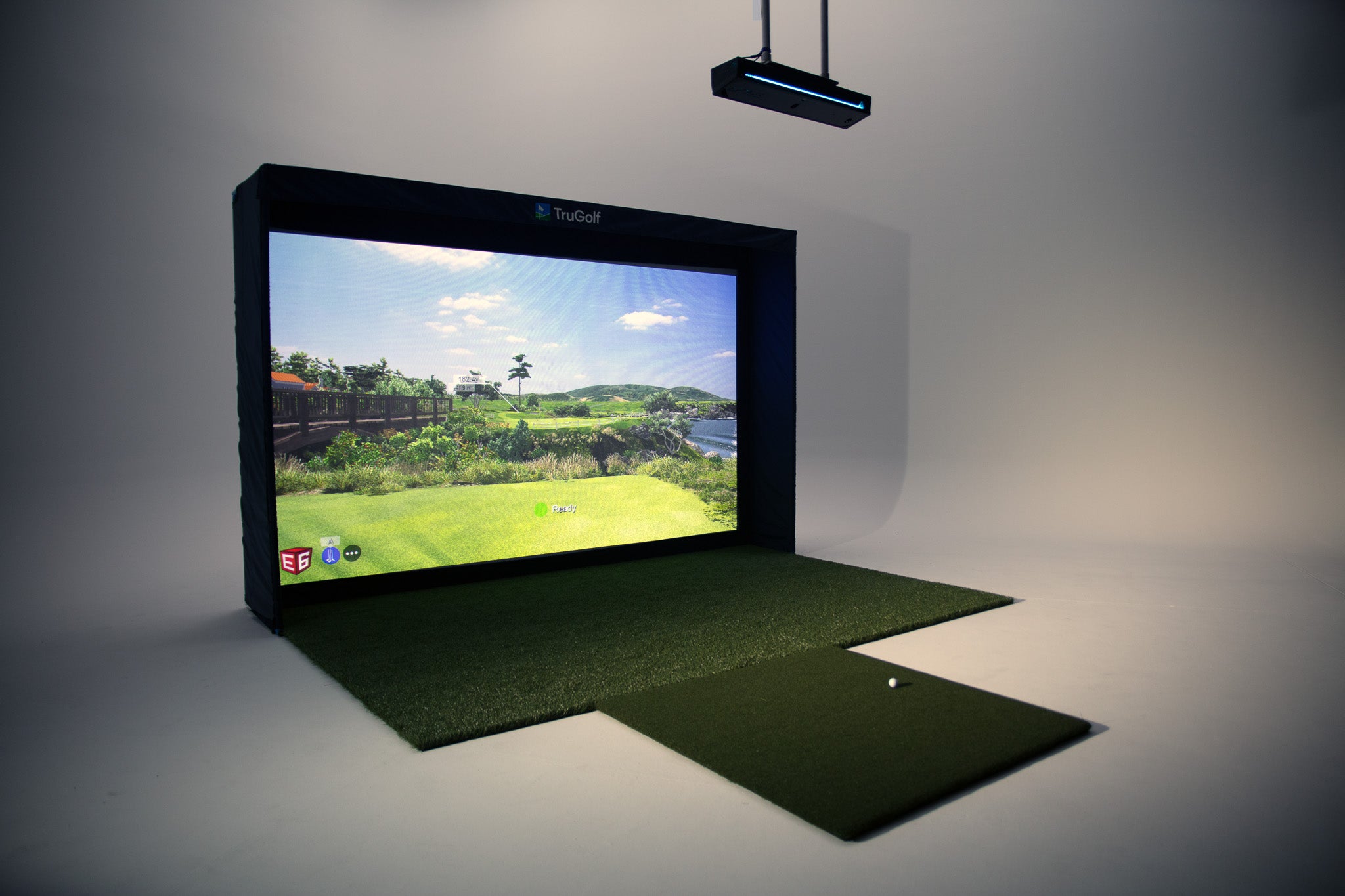
Serving the Treasure Valley
Local installation in your city