 (208) 991-3502
 Meridian, ID



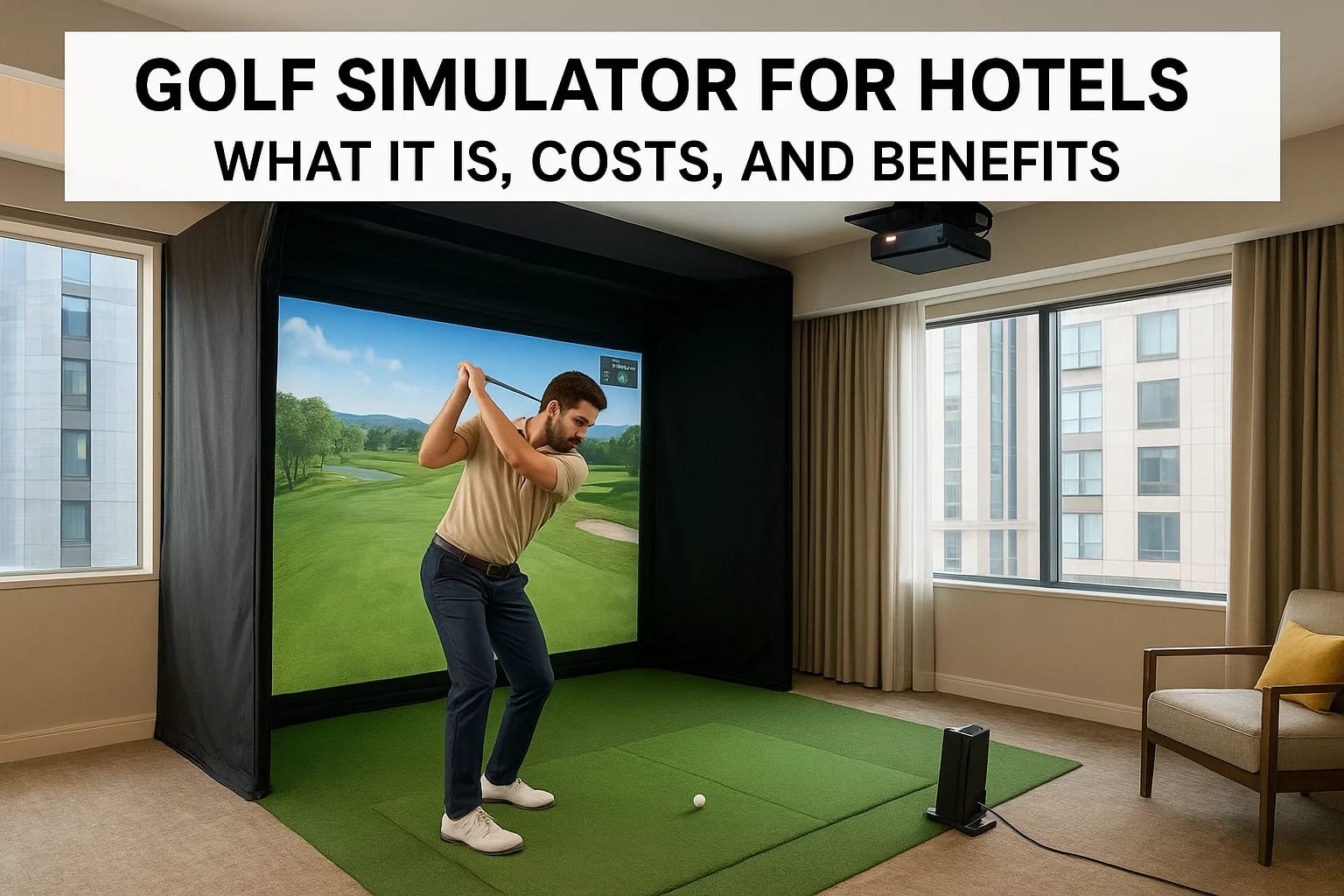

Guests expect more from a hotel stay than a comfortable bed and fast Wi-Fi. A golf simulator for hotels gives your property a high-value amenity that draws golfers on rainy days, off-season stays, and...
Guests expect more from a hotel stay than a comfortable bed and fast Wi-Fi. A golf simulator for hotels gives your property a high-value amenity that draws golfers on rainy days, off-season stays, and evenings when the course is closed. If you manage a resort or boutique hotel in the Treasure Valley and you're weighing whether this investment makes sense, you're asking the right question at the right time.
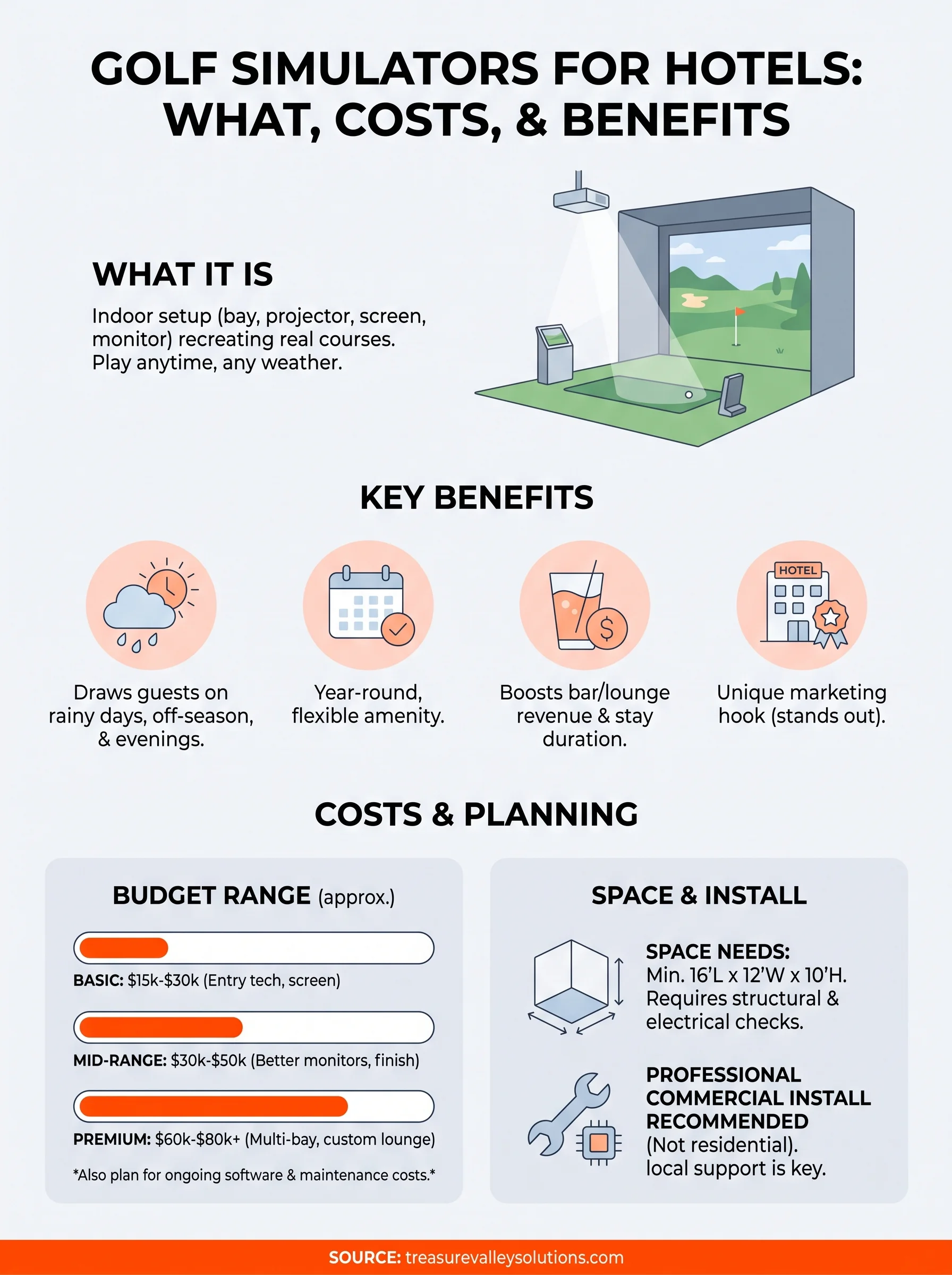
In short, a hotel golf simulator is an enclosed bay with a launch monitor, projector, and hitting screen that recreates real courses indoors, and it typically costs between $15,000 and $80,000 depending on size, technology, and finish quality. The benefits show up fast: longer average stays, higher bar and lounge revenue, and a marketing hook that sets you apart from every other property offering the same pool and gym combo.
This guide breaks down exactly what goes into a simulator installation, walks through realistic cost ranges for different setups, and explains the return you can expect from guest engagement and repeat bookings. We'll also cover what to look for in a technology partner who understands commercial AV and hospitality spaces, not just residential setups.
Why hotels are adding golf simulators
Golf tourism keeps growing, but tee times and daylight don't. Golf simulators for hotels solve a scheduling problem that every property in a golf destination faces: guests want to play, but weather, darkness, or a fully booked course get in the way. Adding an indoor bay means you can say yes to guests at 9 pm on a Tuesday or during a snap thunderstorm in July, and that flexibility turns into bookings you'd otherwise lose to a competitor down the road.
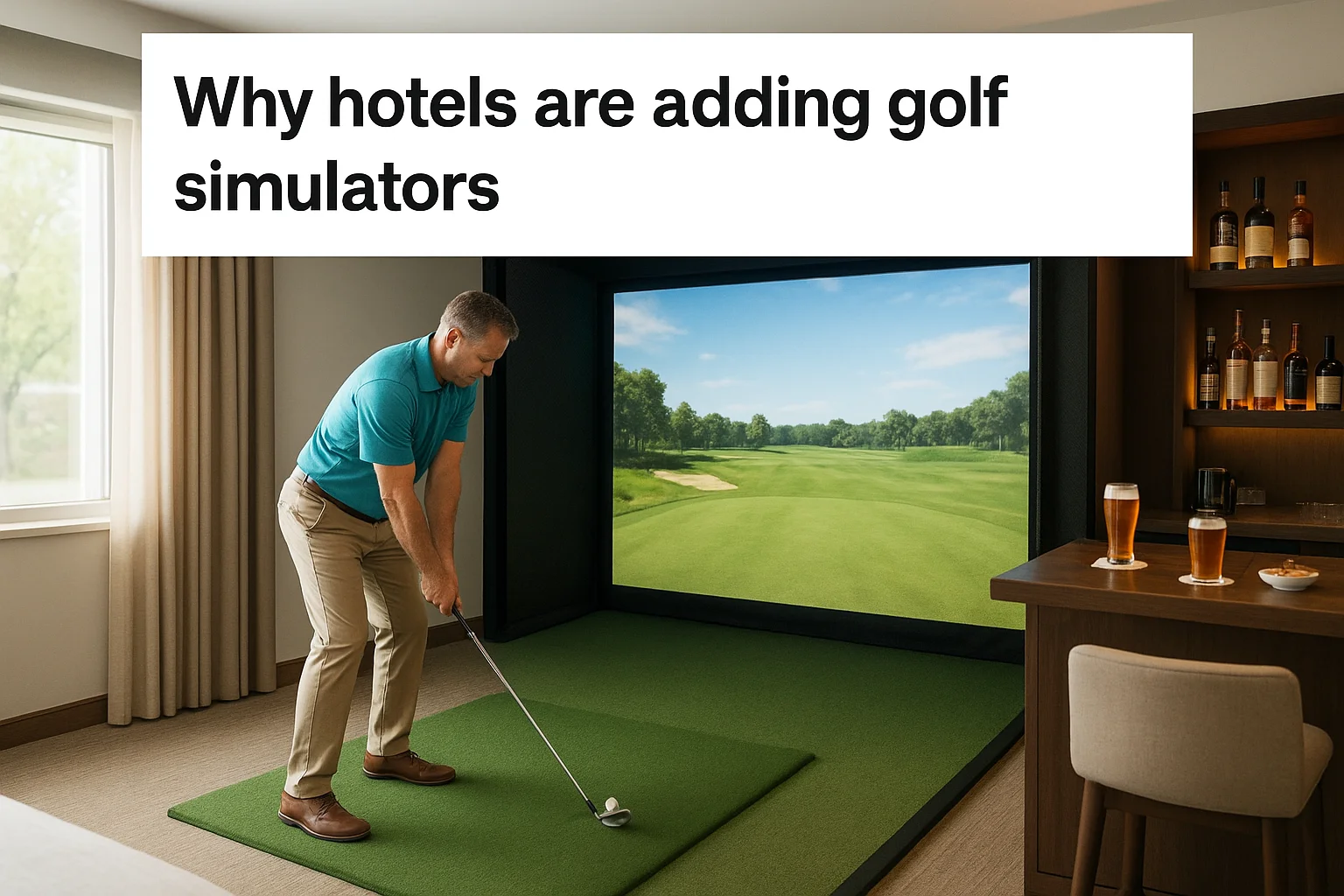
Revenue is the other half of the story. A simulator lounge pulls guests out of their rooms and into a space where they order drinks, snacks, and sometimes dinner while they play. Hotels that pair a simulator bay with a bar setup report meaningfully higher food and beverage sales per stay, because groups linger for an hour or two instead of heading out to a restaurant. That's the same logic behind hotel game rooms and rooftop lounges, except a golf simulator appeals to a guest who's already willing to spend on green fees and equipment.
A golf simulator turns dead hours and bad weather into billable time on your property.
Marketing gets easier too. Guest engagement improves when you offer something guests can't get at the property next door, and a well-lit, well-branded simulator room photographs beautifully for your website and social channels. Boutique hotels and resorts in the Treasure Valley compete for the same golf traveler dollar, and a simulator gives your listing a distinct hook in a search result full of properties advertising the same pool and continental breakfast.
Business travelers matter here as well. Corporate groups booking retreats or incentive trips look for activities that don't require a full day off-site. A simulator bay lets a group of executives squeeze in nine holes between meetings, which makes your property a stronger pick for event planners comparing venues.
Finally, consider the off-season math. Golf courses in Idaho close or slow down for months at a time, and that's exactly when a hotel simulator earns its keep. Properties near Boise, Meridian, and Eagle can market year-round golf as a standing amenity instead of a seasonal perk, which extends the appeal of your property beyond the traditional golf calendar and gives your sales team another reason to book groups in the shoulder months when occupancy typically dips.
How to plan a golf simulator installation at your property
Planning starts with an honest look at your building, not the technology. Before you call anyone about screens or launch monitors, walk your property and identify a room with at least 16 feet of length, 12 feet of width, and 10 feet of ceiling height. Ballrooms, unused conference rooms, and underperforming retail space near the lobby tend to work best because they already have foot traffic and easy access to plumbing, HVAC, and electrical.
Assess your space and structural needs
Once you've picked a candidate room, bring in a technology integrator to check the specifics that make or break a simulator installation. Flooring needs to handle repeated impact, ceilings need clearance for a mounted projector, and walls need enough depth for the netting and screen assembly. Ask your integrator to confirm these items before signing any contracts:
- Electrical capacity for the launch monitor, projector, and any connected audio or lighting
- Ventilation and climate control, since enclosed bays trap heat during heavy use
- Sound isolation if the room sits near guest rooms or meeting spaces
- Structural support for hanging netting and screen frames
Get the room right before you pick the technology, or you'll spend more fixing the space than you did on the equipment.
Build a realistic timeline
Most hotel installations take between six and ten weeks from signed contract to opening day, depending on permitting and whether construction work is needed. Coordinate with your general manager on staffing early, since someone needs to own reservations, cleaning, and basic troubleshooting once the bay opens. Properties that treat the simulator like any other bookable amenity, with clear hours and a simple reservation system, see higher usage than those that leave it as a walk-up novelty.
What a golf simulator for hotels costs
Budgeting for a golf simulator for hotels depends on three factors: launch monitor quality, screen and projection size, and how much you invest in the room itself. Basic packages start around $15,000 and cover an entry-level launch monitor, a standard screen, and enclosure netting. Mid-range setups land between $30,000 and $50,000, adding higher-accuracy monitors, better projectors, and finished flooring. Premium installations run $60,000 to $80,000 or more, with multiple bays, lounge seating, custom cabinetry, and commercial-grade audio built in.
The equipment is only part of the bill; the room build often costs as much as the technology itself.
Equipment tiers and what they include
| Tier | Price Range | What's Included |
|---|---|---|
| Basic | $15,000-$30,000 | Entry launch monitor, single screen, standard projector, basic netting |
| Mid-range | $30,000-$50,000 | Higher-accuracy monitor, upgraded projector, finished flooring, sound treatment |
| Premium | $60,000-$80,000+ | Multiple bays, lounge furniture, custom millwork, commercial audio and lighting |
Ongoing costs to budget for
Hardware isn't the last check you'll write. Software licensing for course libraries typically runs a few hundred dollars a month per bay, and you'll want a maintenance contract covering firmware updates, projector bulb replacement, and screen repairs. Insurance carriers may also ask for updated liability coverage once you add a simulator, so loop in your provider before opening day. General managers who plan for these recurring costs upfront avoid budget surprises six months into operation, and they price bay rentals or package add-ons accordingly to cover the difference.
Choosing the right simulator setup and space for your hotel
Selecting the right configuration means matching your simulator setup to actual guest volume, not just available square footage. A boutique hotel with 40 rooms doesn't need the same layout as a 200-room resort hosting golf tournaments, and buying more bay than your guest count supports wastes money you could spend on better technology or a nicer lounge.
Match capacity to guest volume
Start by estimating peak demand. Properties with fewer than 75 rooms usually do fine with a single bay, while resorts and conference hotels benefit from two or three bays to handle groups without long waits. Think through these questions before locking in a layout:
- How many golf-focused guests do you host during peak season?
- Do corporate groups book multiple tee times at once?
- Will locals or club members rent bay time outside of guest hours?
Buying more simulator than your guest volume supports just ties up capital that could go toward better technology.
Single-bay vs. multi-bay layouts
Multi-bay rooms cost more upfront but generate more revenue per square foot once occupancy climbs. A shared lounge area between two bays also encourages guests to socialize, order drinks, and stay longer, which supports the food and beverage numbers discussed earlier.
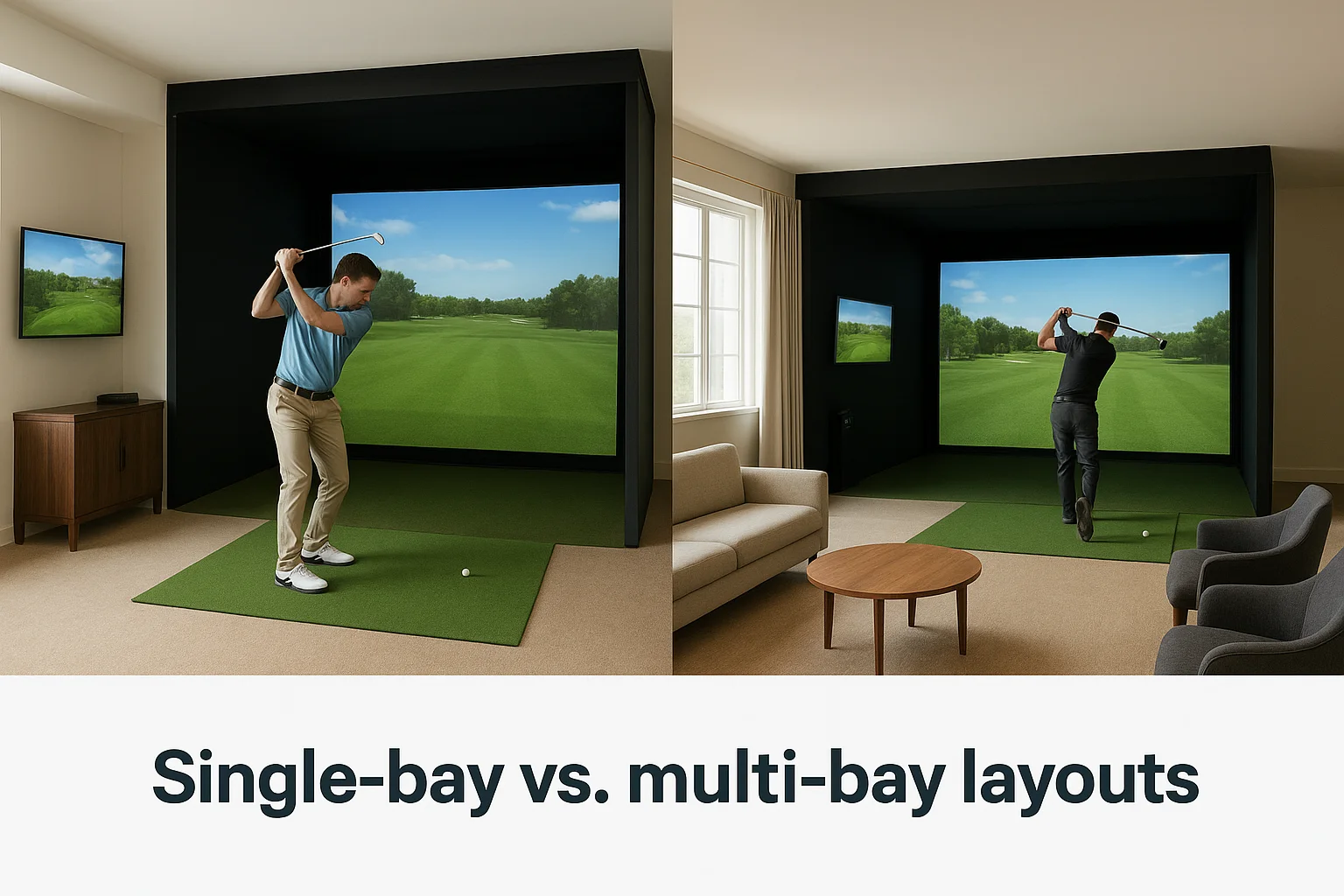
| Layout | Best For | Space Needed |
|---|---|---|
| Single bay | Boutique hotels, under 75 rooms | 16' x 12' minimum |
| Two-bay | Resorts, conference hotels | 30' x 14' minimum |
| Multi-bay lounge | Golf resorts, high-traffic properties | 40'+ with seating area |
Getting this right requires someone who's measured actual hotel rooms, not just showroom specs, which is where a commercial integrator earns their fee before you spend a dollar on equipment.
Getting professional installation and support in Treasure Valley
Hiring a local integrator changes the outcome of a hotel golf simulator project more than any single piece of equipment you buy. Commercial installations carry different demands than a residential bay in someone's basement: heavier daily use, guest safety requirements, ADA access considerations, and integration with existing hotel systems like guest Wi-Fi, digital signage, and building automation. A team that only installs residential setups may not know how to wire a bay so it survives a hundred swings a day from guests who've never held a club before.
The right installer treats your simulator like commercial infrastructure, not a living room toy.
What to look for in a technology partner
Treasure Valley Solutions has handled commercial AV and security work across Boise, Meridian, Eagle, and Nampa since 2014, which means we already understand the permitting, electrical capacity, and structural questions hotel properties run into. Ask any potential partner these questions before signing a contract:
- Have they installed simulators in commercial or hospitality settings, not just homes?
- Do they carry proper licensing and insurance for commercial work?
- Can they support the system after installation, including firmware updates and hardware repairs?
- Will they train your staff on daily operation and basic troubleshooting?
Ongoing support matters more than the install
A clean install day means little if nobody answers the phone when a projector bulb burns out during a busy weekend. Local support gives you faster response times than a national vendor shipping a technician in from out of state, and it keeps your guest engagement amenity running instead of sitting dark with an "out of order" sign taped to the door. Properties that pair professional installation with a responsive local support contract get more bookable hours out of the same equipment over the life of the system.
Bringing the amenity to life at your hotel
A golf simulator for hotels works because it solves a real problem: guests want to play, weather and daylight don't always cooperate, and your property can fill that gap with an amenity nobody else in the Treasure Valley offers. The math holds up too, once you factor in longer stays, higher bar tabs, and a marketing edge that gets your listing noticed before the pool photos even load.
Getting there takes more than picking equipment off a spec sheet. You need the right room, a realistic budget, and a local installation partner who understands commercial demands, not just residential setups. That's the difference between a bay that runs smoothly for years and one that sits dark after the first breakdown.
If you're ready to talk through space, budget, and timeline for your property, reach out to our team and let's map out what a simulator looks like at your hotel.
Need Expert Help?
Ready to implement these solutions in your own home or business?
Our Services
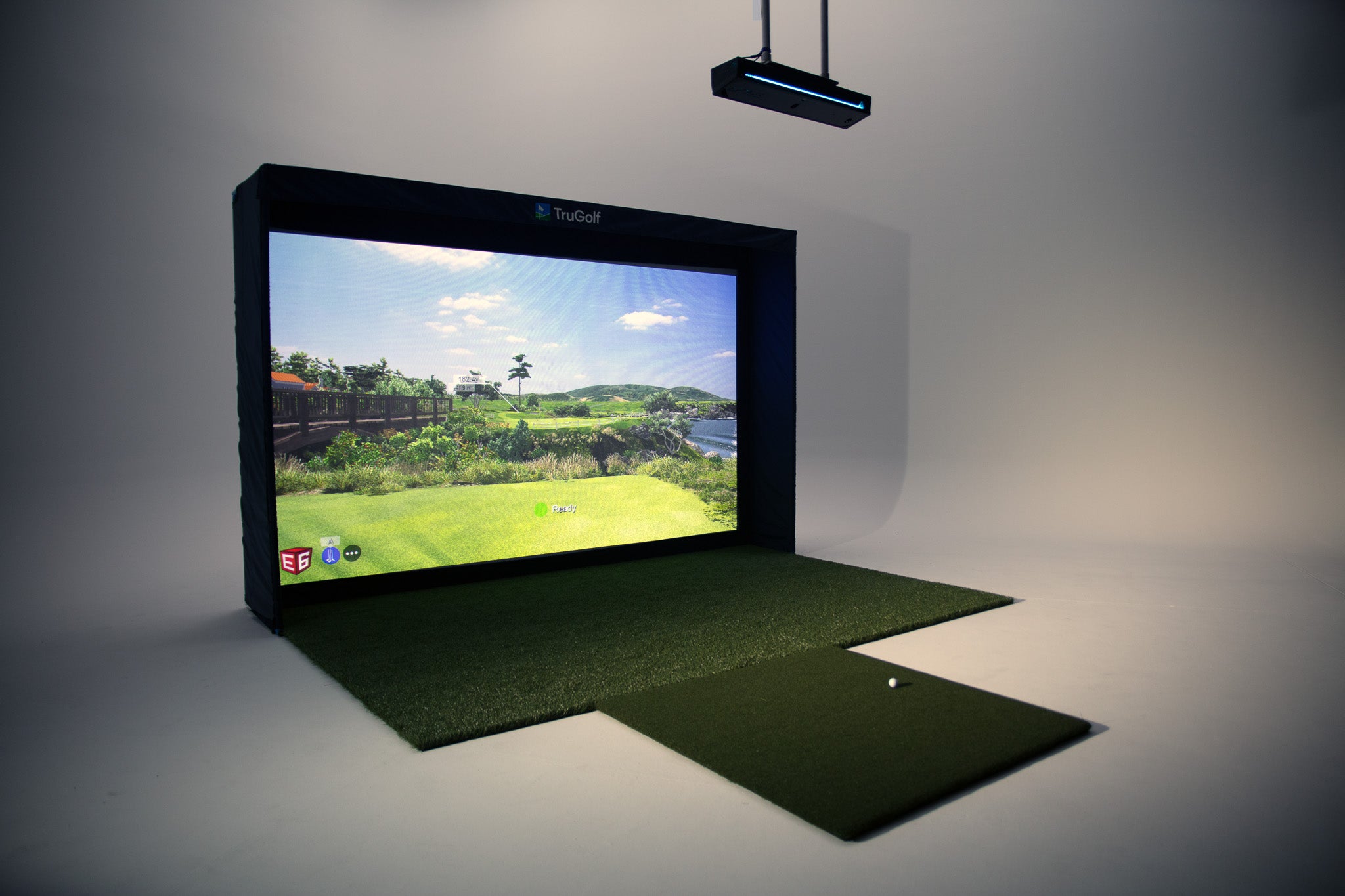
Room-first golf simulator planning, equipment coordination and AV installation for Treasure Valley homes, builders and venues.
Explore whole-home audio, commercial sound, Sonos setup, and surround sound installation in the Treasure Valley.
Expert TV Mounting Treasure Valley Homeowners & Businesses Trust
Intelligent lighting control and automation.
Serving the Treasure Valley
Local installation in your city