 (208) 991-3502
 Meridian, ID



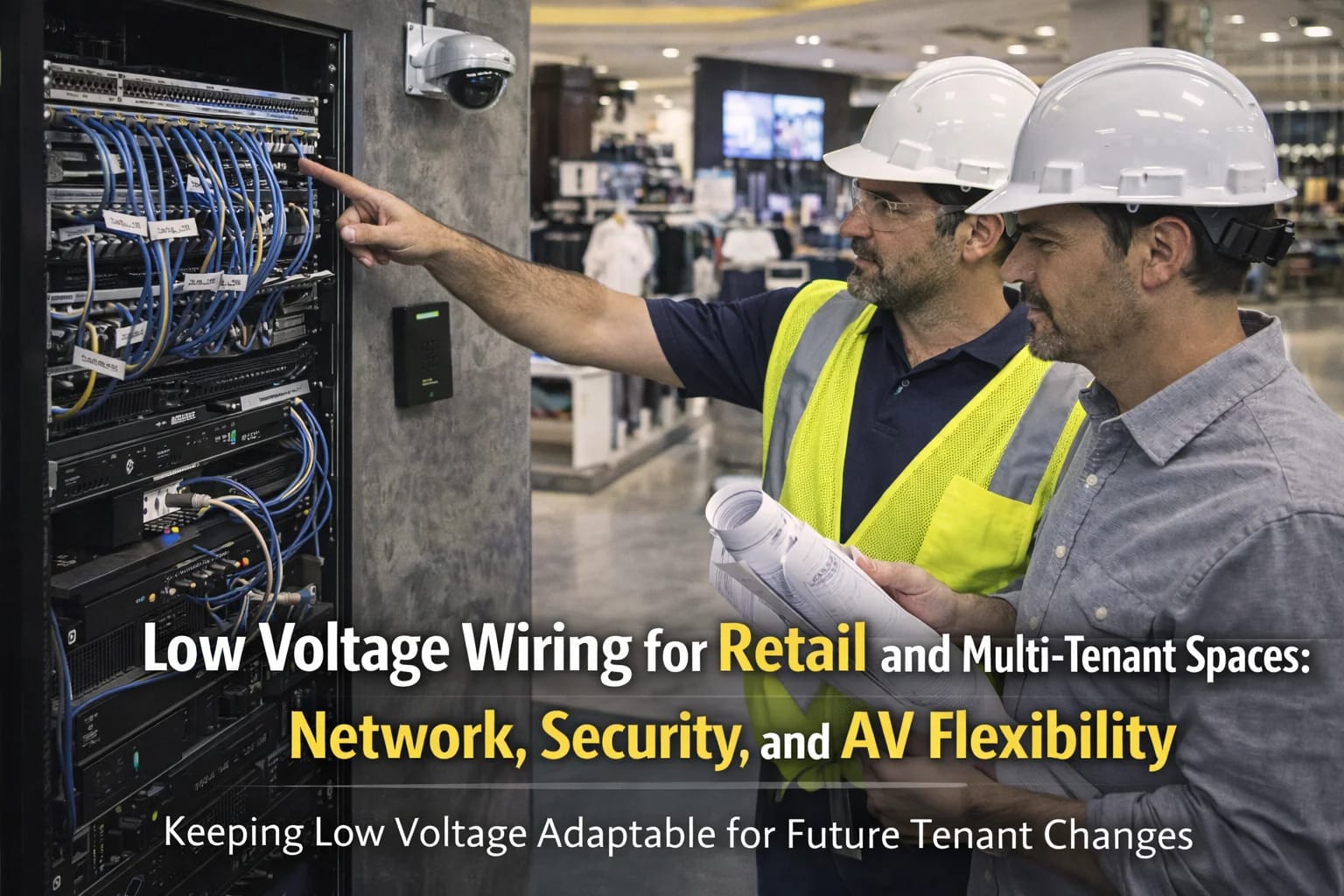

Retail and multi-tenant buildings demand flexible low-voltage infrastructure that can adapt to frequent changes. This article explains how low-voltage wiring supports tenant turnover, security, and connectivity—and why planning for flexibility is critical. Written for general contractors and electricians managing dynamic commercial environments.
Why Retail and Multi-Tenant Spaces Are Unique
Retail and multi-tenant buildings rarely stay the same for long.
Tenants move in and out. Layouts change. Technology needs shift. What works for one tenant may not work for the next.
Low-voltage systems in these spaces must be designed for change, not permanence.
Tenant Turnover Drives Low Voltage Requirements
Each tenant brings different technology needs.
One space may require POS systems and cameras. Another may need digital signage, access control, or enhanced Wi-Fi. Without flexible infrastructure, every tenant change becomes a construction project.
Planning spare pathways, accessible cable routes, and adaptable network locations makes tenant turnover faster and less disruptive.
Network Flexibility Is Critical
Retail tenants depend on reliable networks for daily operations.
Payment systems, inventory management, guest Wi-Fi, and cloud services all rely on low-voltage wiring. Networks must support varied layouts and traffic levels without major rewiring.
Designing network infrastructure that can be reconfigured easily protects the building’s long-term value.
Security Systems Must Adapt with the Space
Cameras, access control, and alarm systems often change with tenants.
Flexible cabling and centralized infrastructure allow security systems to be adjusted without invasive work. Poor planning forces cameras and readers into suboptimal locations or requires costly rework.
Security planning should assume future change, not fixed layouts.
Shared Spaces Add Complexity
Multi-tenant buildings often include shared corridors, entrances, and common areas.
Low-voltage systems in these areas must support multiple users while remaining secure and manageable. Clear separation between tenant systems and shared infrastructure prevents conflicts and simplifies support.
Why Early Planning Prevents Ongoing Rework
Retail projects often move quickly and on tight margins.
Late changes to low-voltage systems delay tenant openings and increase costs. Early planning establishes pathways, equipment locations, and capacity before finishes go in.
That preparation reduces disruption during future tenant improvements.
The GC’s Role in Multi-Tenant Low Voltage Success
General contractors help protect retail projects by ensuring low voltage is included in early design discussions.
Setting expectations for flexibility, documentation, and scope reduces future conflicts and speeds tenant turnover.
Electricians and Low Voltage Teams Must Coordinate Closely
Retail environments pack many systems into limited space.
Coordination between electrical and low-voltage trades ensures pathways remain accessible and systems remain serviceable as tenants change.
Clear planning benefits everyone involved.
Final Takeaway
Retail and multi-tenant spaces demand low-voltage systems that can adapt.
When infrastructure is designed for flexibility, tenant changes are faster, cheaper, and less disruptive. When it is not, every change becomes a problem.
For retail projects, low voltage is an investment in long-term usability.
Need Expert Help?
Ready to implement these solutions in your own home or business?
Our Services

Explore whole-home audio, commercial sound, Sonos setup, and surround sound installation in the Treasure Valley.

Home theater design and installation planned around your room, viewing goals, and equipment scope.

High-definition surveillance for peace of mind.
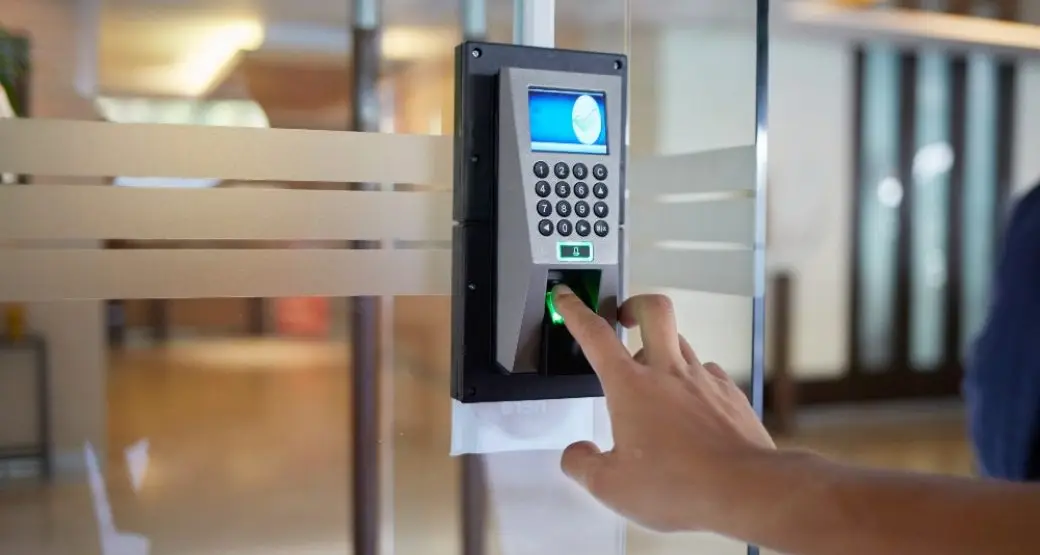
Comprehensive security solutions for home and business.
Serving the Treasure Valley
Local installation in your city