 (208) 991-3502
 Meridian, ID



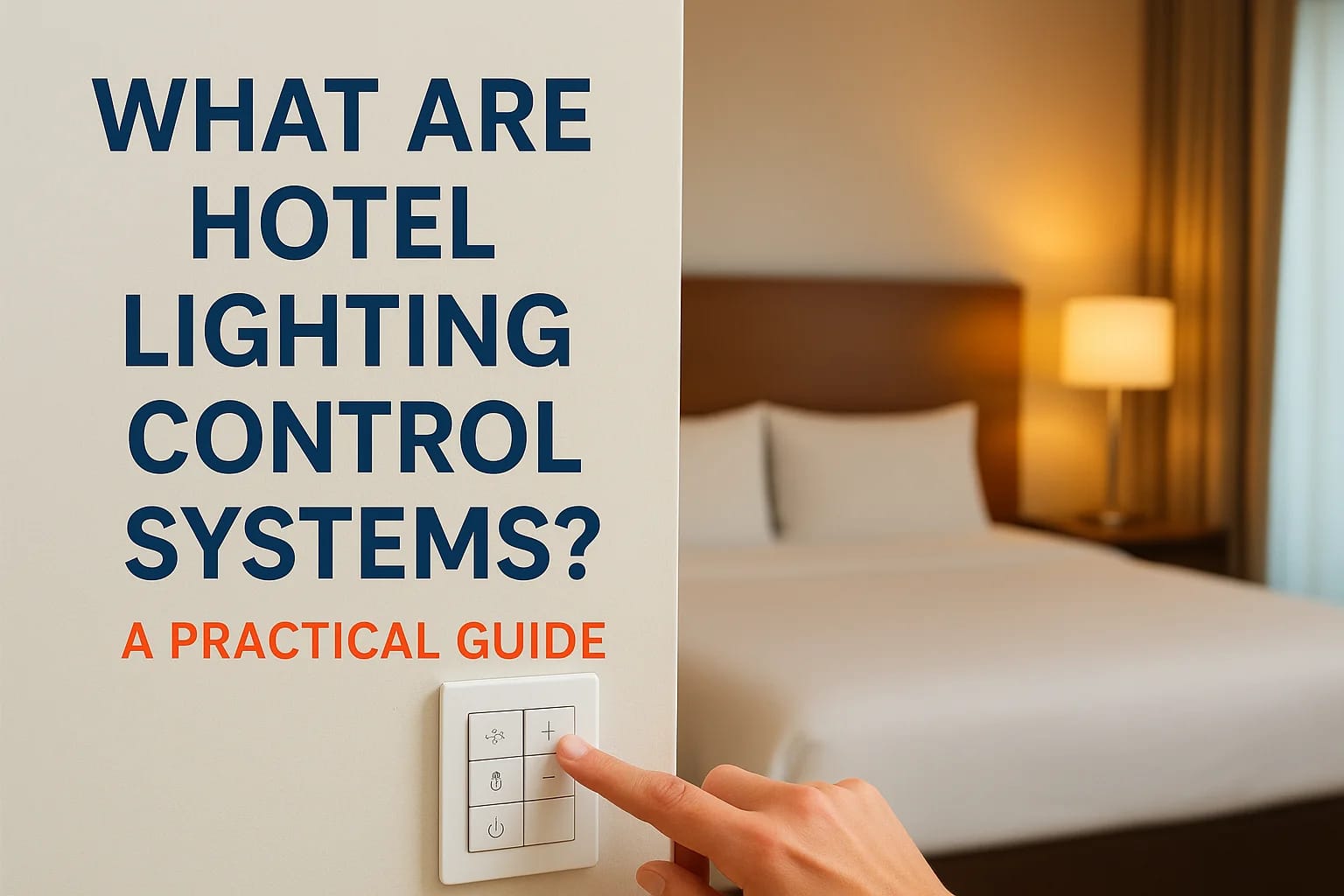

Walk into any well-run hotel, and you'll notice something you can't quite put your finger on, the lighting just feels right. That's not an accident. Behind the scenes, hotel lighting control systems m...
Walk into any well-run hotel, and you'll notice something you can't quite put your finger on, the lighting just feels right. That's not an accident. Behind the scenes, hotel lighting control systems manage everything from lobby ambiance to hallway safety lighting to the soft glow that greets guests in their rooms. These systems give hotel operators centralized control over every light in the building, replacing the patchwork of manual switches and timers that most properties still rely on.
If you manage or own a hospitality property in the Treasure Valley, you've probably already felt the pressure to modernize. Guests expect a polished, comfortable experience, and ownership expects lower utility bills. Smart lighting control hits both targets. At Treasure Valley Solutions, we design and install these systems for commercial clients across Boise, Meridian, Eagle, Nampa, and the surrounding area, so we've seen firsthand how the right setup transforms daily hotel operations.
This guide breaks down what hotel lighting control systems actually are, how they work, and what to consider before investing in one. Whether you're building a new property or upgrading an existing one, you'll walk away with a clear picture of the technology and a solid sense of whether it's the right fit for your property.
Where controls matter in a hotel
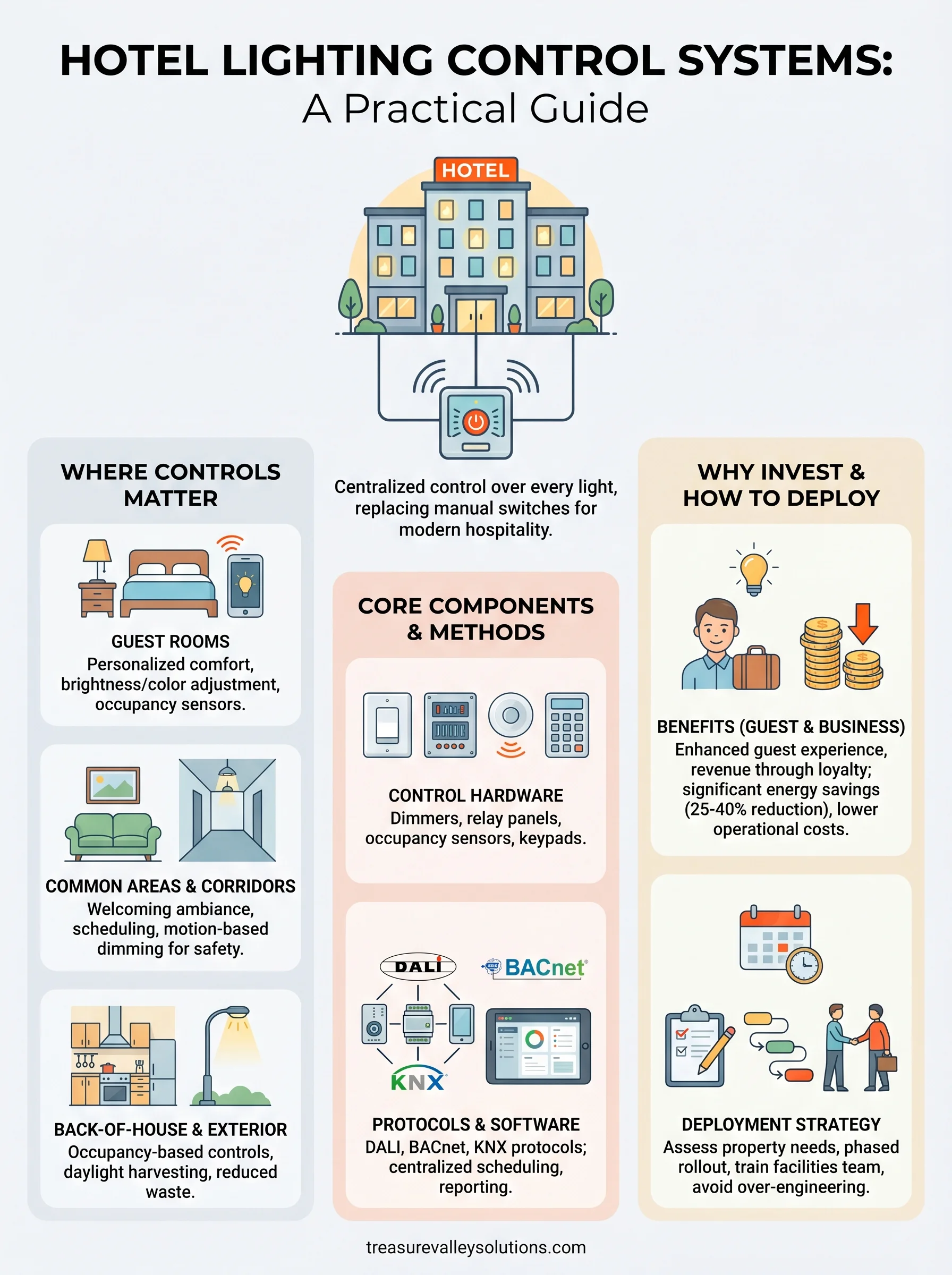
Hotel lighting control systems don't operate as a single uniform layer across a property. Different zones have different requirements, and the most effective installations treat each area as its own environment with specific goals around guest comfort, safety, and energy use. Understanding where control matters most helps you prioritize your investment and avoid over-engineering areas that need simple solutions.
Guest rooms
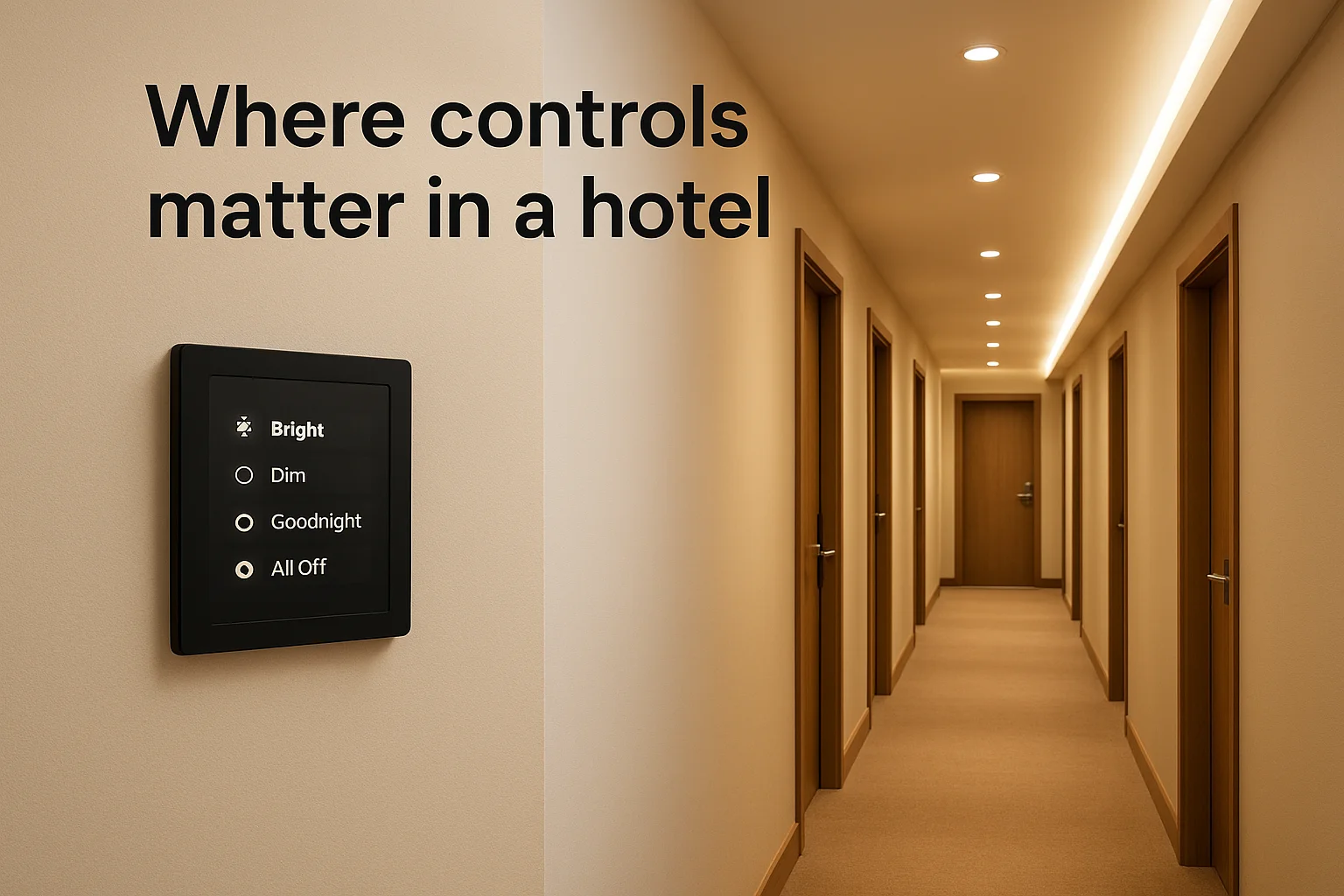
Guest rooms are the most personal space in any hotel, and lighting here directly shapes how guests feel about their stay. A well-programmed room lets guests adjust brightness and color temperature from a bedside panel or their phone, set a "goodnight" scene that dims everything at once, or wake up to gradually brightening light instead of a jarring alarm. Occupancy sensors also play a key role here, automatically shutting off lights when a room sits empty, which eliminates waste without requiring any action from housekeeping staff.
Rooms that give guests intuitive control over their environment consistently score higher on comfort, and lighting is one of the first things guests notice when they walk in.
Common areas and corridors
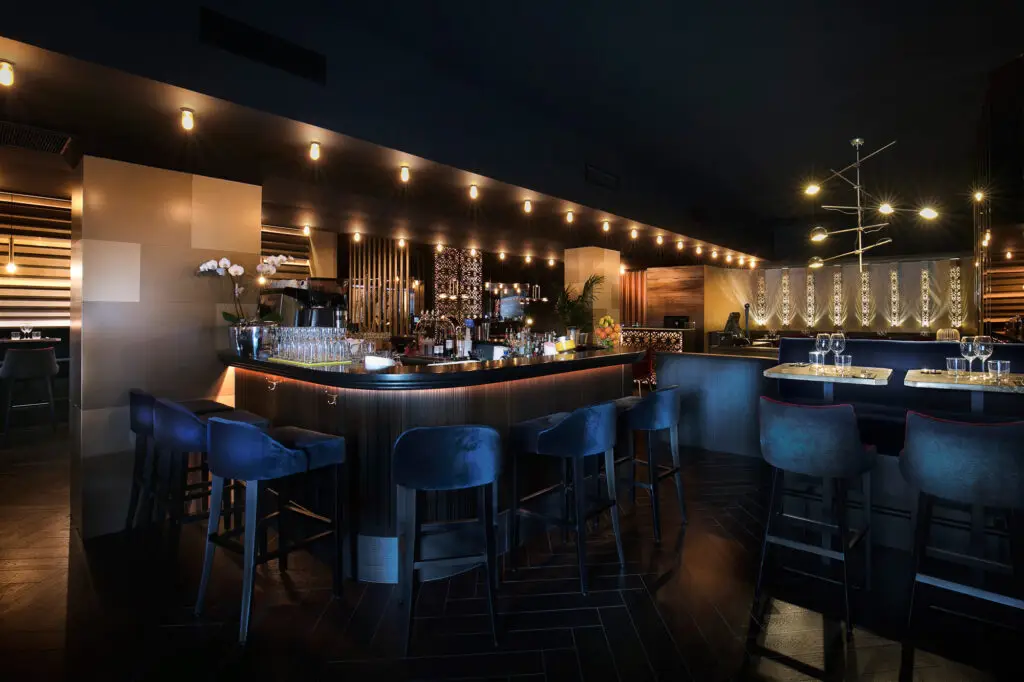
Lobbies, restaurants, fitness centers, and hallways each carry a different function. Your lobby lighting sets the first impression, so it should shift between a bright, welcoming daytime scene and a warmer, more subdued evening atmosphere automatically. Corridors need reliable, consistent lighting for safety, but that doesn't mean running them at full power around the clock. Scheduling and motion-based dimming in hallways can cut energy use significantly while still meeting code requirements for visibility.
Back-of-house and exterior spaces
The areas guests rarely see still deserve attention. Kitchens, laundry rooms, storage corridors, and loading docks benefit from occupancy-based controls that turn lights on when staff enter and off when they leave. Outside, your parking lot, entrance canopy, and signage lighting all need to respond to ambient light levels and scheduled time windows. Exterior controls reduce overnight energy draw and extend the lifespan of your fixtures by cutting unnecessary runtime.
Core components and control methods
Hotel lighting control systems consist of several layers working together, and knowing what each layer does helps you make smarter decisions when you're speccing out a system or reviewing a proposal. You don't need to become a lighting engineer, but a working knowledge of the main parts protects you from buying more than you need, or less than you'll regret.
Control hardware
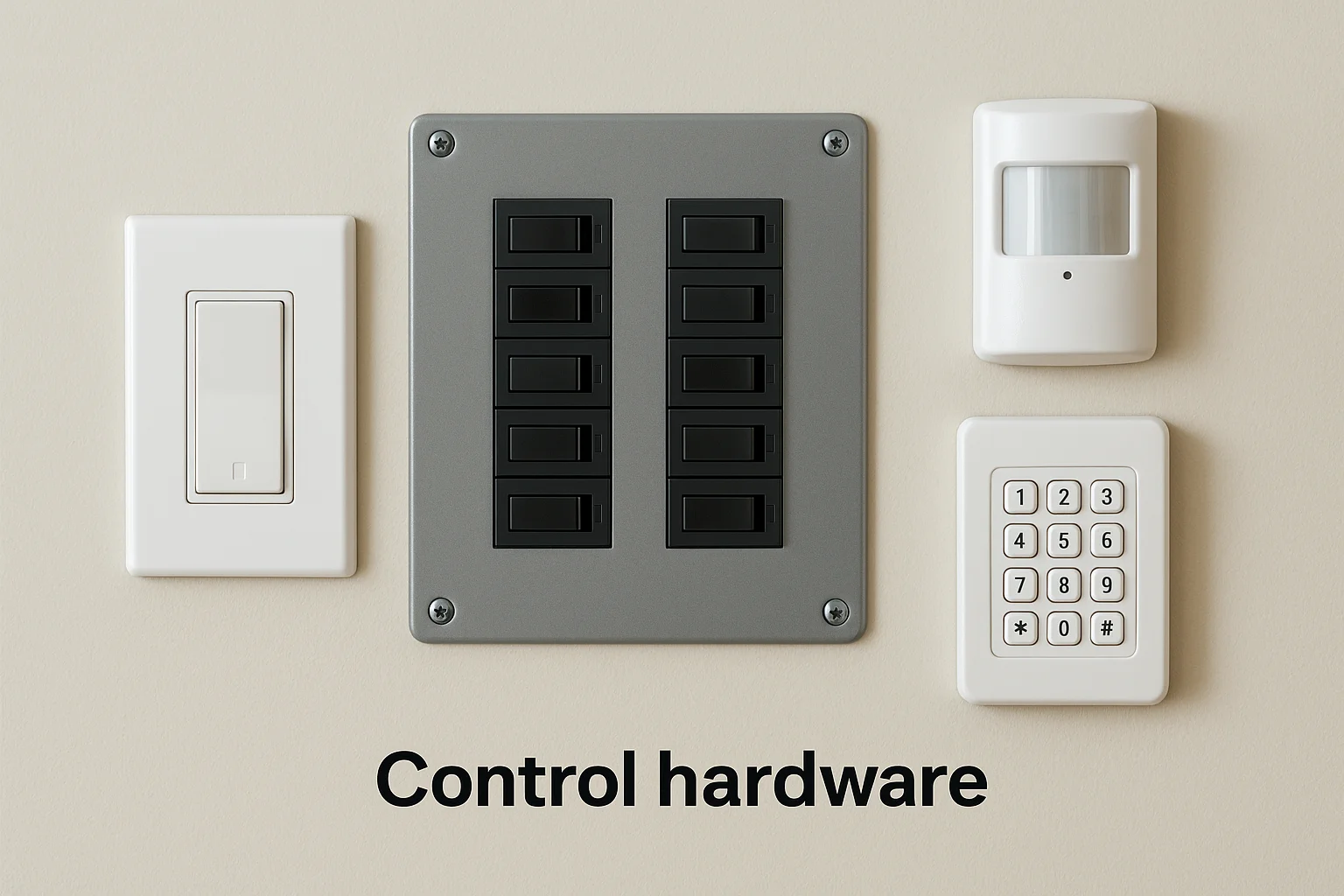
The physical hardware includes dimmers, relay panels, occupancy sensors, and keypads installed throughout the property. Dimmers handle variable brightness levels, while relay panels act as the central switching muscle that routes power to each fixture zone. Keypads at room entrances and bedside locations give guests and staff direct control without needing an app or a tablet.
Protocols and software
The protocol is what lets your hardware actually talk to each other. DALI (Digital Addressable Lighting Interface) is one of the most widely adopted standards in commercial hospitality installations because it allows individual fixture addressing, meaning you can control a single bulb in a fixture array if needed. BACnet and KNX protocols are common in larger properties where lighting ties into a broader building management system. Your software layer sits on top, providing scheduling, scene management, and reporting dashboards that your facilities team can access from a single interface without physical walkthroughs.
The protocol you choose early on determines your flexibility for years, so treat it as a long-term infrastructure decision, not a commodity choice.
Why hotels use lighting control systems
Hotels invest in these systems for three overlapping reasons: guest satisfaction, operational efficiency, and energy savings. When you understand the full business case, the upfront cost looks much more reasonable against the long-term returns.
Guest experience and revenue
Lighting shapes how guests perceive your property from the moment they walk in. Guests who can adjust room brightness or activate a preset scene feel more in control of their stay, and that sense of control feeds directly into satisfaction scores. Properties with programmable scene lighting consistently earn stronger online reviews because personalized comfort sticks with people longer than most other amenities.
Guests remember how a room made them feel, and lighting is one of the biggest factors driving that impression.
Repeat bookings and referrals also connect back to the guest experience you deliver. A room that adapts to someone's preferences without a phone call to the front desk signals a level of quality that builds loyalty over time.
Energy savings and operational efficiency
Your electricity bill is one of the largest controllable costs in hotel operations, and lighting typically accounts for 25 to 40 percent of it. Hotel lighting control systems reduce that number by switching off lights in vacant rooms and dimming corridors on a schedule. Your maintenance team also spends less time on manual walkthroughs because sensor data and automated scheduling handle the routine work.
How to choose and deploy the right system
Choosing the right system starts with your specific property, not with a vendor's catalog. Hotel lighting control systems vary widely in complexity and scale, so matching the solution to your actual needs saves you from overpaying for features you'll never use or underbuying and regretting it within two years.
Assess your property first
Before you contact any installer, document what you have and what you want changed. Walk each zone of your property and note how lighting currently operates, where waste is obvious, and where guest complaints point. The size of your property, your existing wiring infrastructure, and your building management setup all shape which control protocol and hardware tier makes sense for your situation.
A clear picture of your current state is worth more than any vendor demo when it comes to scoping a system you'll actually use.
Plan the rollout
Phased installation works well for operating hotels because it limits disruption to guests. Start with guest rooms on one floor, confirm the setup performs as expected, then expand from there. Coordinating your installer's work schedule around low-occupancy periods protects the guest experience during the transition. Getting your facilities team trained early in the process means they can manage the system confidently from day one rather than calling for support on basic adjustments.
Costs, energy savings, and common pitfalls
Hotel lighting control systems range widely in price depending on property size, protocol choice, and the number of zones you need to manage. A smaller boutique property might spend between $15,000 and $40,000 for a complete installation, while a full-scale hotel with hundreds of rooms can reach six figures. Budget for both hardware and professional installation, since cutting corners on labor almost always produces configuration problems that cost more to fix after the fact.
What you'll spend and save
Lighting typically accounts for 25 to 40 percent of a hotel's electricity costs, and a well-configured control system can cut that figure by 30 to 60 percent through occupancy sensing, scheduled dimming, and daylight harvesting. Most properties recover their full investment within three to five years through utility savings alone.
The combination of lower energy bills and reduced maintenance labor makes the payback timeline shorter than most hotel operators expect.
Pitfalls to avoid
Skipping a thorough site assessment before purchase is the most common mistake, leading to mismatched hardware and wiring headaches mid-installation. Watch for these additional problems that derail otherwise solid projects:
- Choosing a protocol that doesn't integrate with your existing building management system
- Undertraining your facilities team so they rely on vendor calls for basic adjustments
- Ignoring back-of-house zones where occupancy-based controls deliver the fastest payback
Next steps
Hotel lighting control systems are not a luxury add-on anymore. They're a practical infrastructure upgrade that delivers measurable returns in energy costs, guest satisfaction, and operational simplicity. If you've made it through this guide, you now have a solid foundation to evaluate your property's specific needs, compare system options, and ask sharper questions when you talk to installers.
Your clearest next move is a property walkthrough to document your current lighting setup, identify your highest-waste zones, and outline what a phased rollout might look like for your occupancy calendar. That groundwork makes every conversation with a technology partner more productive and protects you from scoping mistakes.
Treasure Valley Solutions works with commercial and hospitality clients across Boise, Meridian, Eagle, and Nampa to design and install custom lighting control systems that fit real budgets and real operations. If you're ready to start that conversation, reach out to our team and we'll walk through your property together.
Need Expert Help?
Ready to implement these solutions in your own home or business?
Our Services
Intelligent lighting control and automation.

Complete home automation and control.
Serving the Treasure Valley
Local installation in your city