 (208) 991-3502
 Meridian, ID



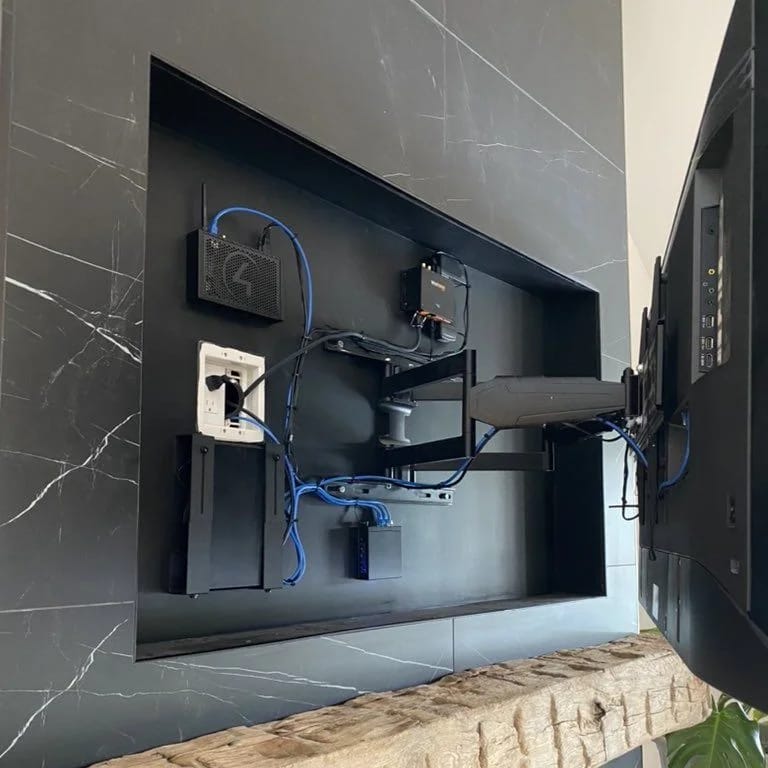

A great home theater isn’t just about the TV—it’s about how everything works together. Learn what professional installation should really look like.
A New TV Is Easy to Buy. Living With It Is the Hard Part.
Buying a new TV or sound system has never been easier. Walk into a store, click a few buttons online, and within days you’ve got a massive screen sitting in your living room.
But what happens after that box is opened is what truly determines whether you love your home theater—or quietly regret it.
We talk to homeowners all the time who invested in great equipment, only to end up with:
A TV mounted too high
Wires visible along the wall
Sound that doesn’t match the picture
Streaming issues that make movie night frustrating
A system no one in the household fully understands
The problem usually isn’t the equipment.
It’s the installation experience.
A home theater isn’t a product—it’s a system. And systems only perform well when they’re designed, installed, and supported properly.
What Home Theater Installation Actually Means
Home theater installation is often misunderstood as a single task: mounting a TV.
In reality, it’s a combination of design, craftsmanship, and technical planning that determines how the system feels every day you use it.
A proper installation considers:
How the room is used
Where people sit
How sound travels through the space
How lighting affects the screen
How devices connect to the network
How everything will be used by real people—not just on day one, but years from now
When those details are ignored, the system might technically work—but it won’t feel right.
Why So Many Home Theaters Miss the Mark
Most disappointing home theater experiences share the same root causes:
Rushed installations
No conversation about how the space is used
One-size-fits-all mounting heights
Little attention to sound placement or tuning
No consideration for Wi-Fi or network performance
No long-term support once the install is “done”
The result is a setup that looks okay from a distance but becomes annoying over time.
A great home theater should feel effortless. If you’re constantly adjusting volume, switching inputs, or fighting buffering, something went wrong upstream.
A Different Approach: How Treasure Valley Solutions Designs Home Theaters
At Treasure Valley Solutions, we approach home theater installation as a design problem first, not a hardware task.
Before anything goes on the wall, we focus on understanding how the space will actually be used.
We ask questions like:
Is this room for casual TV, movie nights, sports, or gaming?
Who uses the space—and how often?
What frustrates you about your current setup?
Do you want the technology to stand out or disappear?
Are there future upgrades you’re already thinking about?
Those answers shape every decision that follows.
TV Placement That Respects the Human Neck
One of the most common mistakes we’re called in to fix is TV height.
Mounting a TV “as high as possible” might look fine standing up, but it creates discomfort when sitting—and that discomfort adds up fast.
Proper TV placement is based on:
Eye level while seated
Viewing distance
Screen size
Furniture layout
When done correctly, the TV feels natural—like it belongs in the room, not like it was added later.
Sound That Matches the Picture
Audio is where many home theaters quietly fail.
Soundbars mounted too low, speakers placed without regard to room acoustics, and subwoofers shoved into corners can all lead to muddy dialogue and uneven volume.
We design sound systems so that:
Dialogue is clear at normal listening levels
Music and effects feel balanced
Volume doesn’t fluctuate wildly between scenes
The system sounds good without constant tweaking
Sometimes that means a soundbar done right.
Sometimes it means a full surround system.
The key is matching the solution to the space—not forcing a package.
Clean Installation Isn’t Cosmetic—It’s Foundational
Visible cables, loose equipment, and cluttered shelves aren’t just ugly—they’re signs of a rushed install.
We take cable management seriously because:
It protects the equipment
It makes future service easier
It keeps the room feeling finished
It prevents accidental disconnections
That means in-wall rated wiring, proper wall plates, organized equipment locations, and attention to detail that most people only notice when it’s missing.
Streaming Performance Starts With the Network
Many “home theater problems” have nothing to do with the TV or speakers.
They’re network problems.
If your TV is relying on weak Wi-Fi, even the best display will struggle. Buffering, dropped connections, and low-quality streams kill immersion instantly.
Because we also specialize in home networking and low-voltage infrastructure, we make sure:
The TV location has strong connectivity
Wired connections are used where they make sense
Wi-Fi access points are placed intelligently
The network can handle modern streaming demands
A great picture depends on more than pixels.
Beyond the Living Room: Whole-Home Entertainment
For many homeowners, the “home theater” extends beyond a single room.
We often integrate:
Multi-room audio
Outdoor entertainment systems
Projectors and dedicated theaters
Smart lighting scenes
Simple control systems
When everything is designed together, the technology feels cohesive instead of pieced together over time.
Why Local Expertise Makes a Real Difference
There’s a big difference between hiring someone to “install equipment” and partnering with a local technology integrator.
Working with Treasure Valley Solutions means:
You deal with the same team from start to finish
Your system is documented and supported
We understand local construction styles and homes
We’re available long after installation day
When something needs adjustment—or when you’re ready to upgrade—you’re not starting over with someone new.
New Construction and Remodels: Getting It Right Before the Walls Close
If you’re building or remodeling, home theater planning should happen early.
This allows for:
Proper pre-wiring
Hidden infrastructure
Flexible upgrade paths
Cleaner final results
Retrofitting later is always possible—but planning ahead saves money and preserves the look of the home.
The Goal: Technology That Disappears Into Daily Life
The best home theaters don’t draw attention to themselves.
They don’t require instructions taped to the wall.
They don’t need constant troubleshooting.
They don’t feel fragile or confusing.
They just work.
That’s the standard we aim for—because technology should support your lifestyle, not complicate it.
Final Thoughts
A home theater is something you live with every day.
The quality of the installation determines whether it’s a joy or a frustration.
Great equipment matters—but experience matters more.
If you’re investing in your home, the installation should reflect that investment with care, craftsmanship, and long-term support.
Need Expert Help?
Ready to implement these solutions in your own home or business?
Our Services
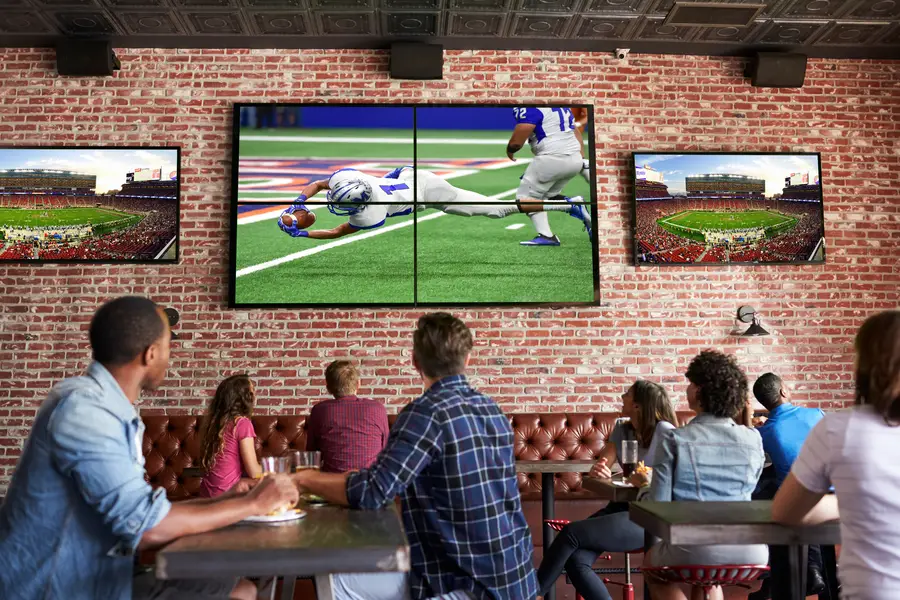
Expert TV Mounting Treasure Valley Homeowners & Businesses Trust

Home theater design and installation planned around your room, viewing goals, and equipment scope.
Explore whole-home audio, commercial sound, Sonos setup, and surround sound installation in the Treasure Valley.

Complete home automation and control.
Serving the Treasure Valley
Local installation in your city