 (208) 991-3502
 Meridian, ID



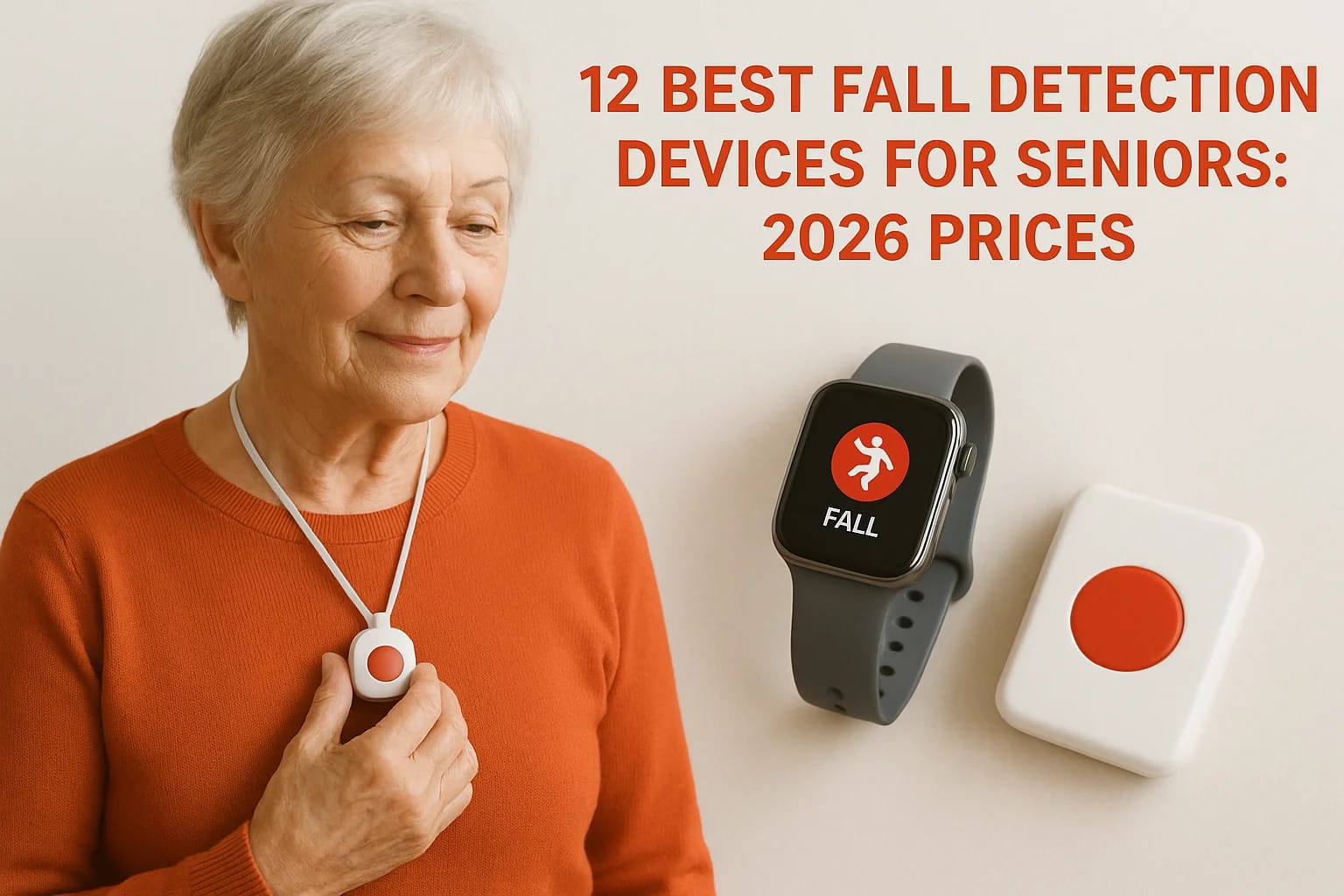

A fall can happen in seconds, but getting help might take hours if no one's around. For seniors living alone or spending time unsupervised, that delay can turn a manageable situation into a life-threa...
A fall can happen in seconds, but getting help might take hours if no one's around. For seniors living alone or spending time unsupervised, that delay can turn a manageable situation into a life-threatening emergency. Fall detection devices for seniors solve this problem by automatically alerting emergency contacts or medical professionals the moment a fall happens, even if your loved one can't reach a phone or press a button.
This guide breaks down the 12 best options available in 2026, including exact pricing, monthly fees, and the key features that actually matter for safety. We cover everything from professionally installed smart home systems to simple wearable pendants and smartwatches. You'll find out which devices work best for different living situations, what hidden costs to watch for, and how to choose the right option based on your family's specific needs and budget.
1. Treasure Valley Solutions custom fall detection setup
Treasure Valley Solutions builds custom fall detection systems that integrate directly into your home's smart technology network. Unlike standalone pendants or wearables, their installations connect motion sensors, voice controls, and emergency alert systems into a unified platform you can manage from any room. This approach works best when you want fall detection as part of a larger safety and automation system rather than a single-purpose device.
How it works and what gets installed
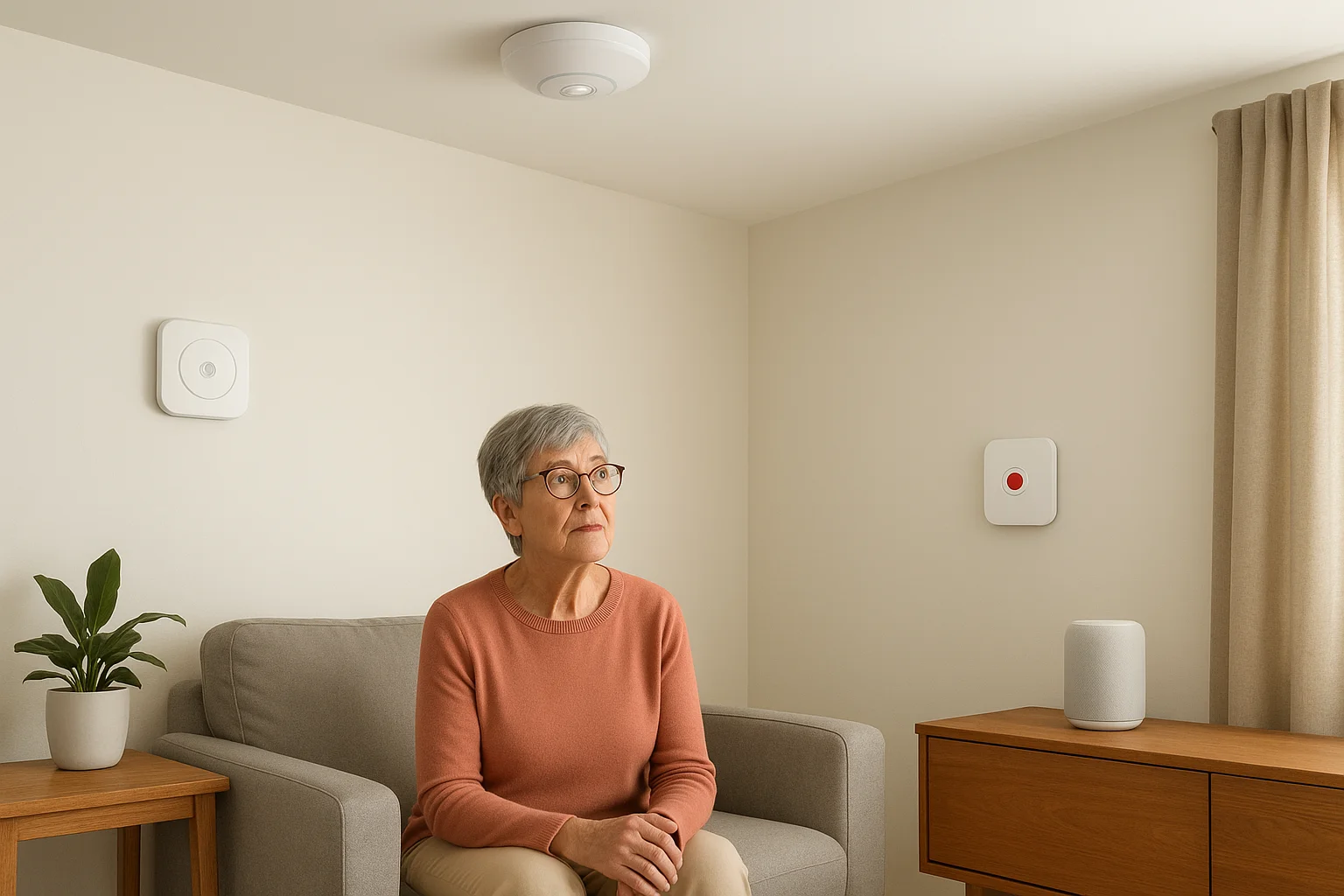
The system uses ceiling-mounted motion sensors and floor pressure sensors strategically placed in high-risk areas like bathrooms, bedrooms, and hallways. These sensors detect sudden movements, unusual patterns, or impacts that indicate a fall has occurred. When the system identifies a potential fall, it triggers multiple alert channels simultaneously, including automated calls to emergency contacts, voice announcements through your home's speakers asking if help is needed, and notifications sent to family members' smartphones.
Installation also includes voice-activated emergency buttons integrated into your existing smart home setup, allowing seniors to call for help hands-free from any room where smart speakers are installed. Treasure Valley Solutions programs everything during installation and tests each sensor to confirm it detects falls accurately without triggering false alarms from pets or dropped objects. Their technicians run through scenarios with you before leaving to make sure you understand how to respond to alerts and adjust sensitivity settings.
Who it's best for in the Treasure Valley
This system makes the most sense if you're already considering or have smart home technology in your Meridian, Boise, Eagle, or Nampa area home. Families who want comprehensive elderly care monitoring beyond basic fall detection benefit from the integration with lighting automation, door sensors, and security cameras that provide additional context when an alert triggers. Property managers overseeing senior living facilities in the Treasure Valley can deploy these systems across multiple units with centralized monitoring.
Local installation and support mean you get same-day service calls when adjustments are needed, not phone troubleshooting with an out-of-state call center.
You'll see the biggest value if your loved one resists wearing pendants or forgets to charge wearable devices, since this system works automatically without requiring any action from the senior. The professional installation also eliminates the technical setup frustration that comes with DIY fall detection devices for seniors.
Pros and cons compared with DIY devices
Professional installation guarantees proper sensor placement and calibration, which DIY devices often get wrong, leading to missed falls or constant false alarms. The system integrates with your home's existing technology rather than adding another separate device to manage, and you get local technical support from Treasure Valley Solutions whenever you need programming changes or sensor adjustments.
The main drawback is higher upfront cost compared to a $30 pendant you can order online. This isn't a plug-and-play solution you receive in the mail and set up yourself in an afternoon. Installation requires scheduling an appointment and having technicians in your home for several hours. The system also depends on your home's internet and power, so you'll need battery backup solutions to maintain protection during outages.
2026 pricing and what affects total cost
Expect to invest $2,500 to $6,000 for a complete fall detection setup, with most Treasure Valley homes falling in the $3,200 to $4,500 range. The exact price depends on how many rooms need coverage, the size of your home, whether you're adding fall detection to an existing smart home system or starting from scratch, and which alert methods you want activated.
Treasure Valley Solutions charges for design consultation, equipment, professional installation, and initial programming as a package. There's no monthly monitoring fee if you choose to have alerts sent only to family members' phones, but adding 24/7 professional monitoring service costs $40 to $75 monthly depending on response options. Their team provides free quotes after an in-home assessment where they evaluate your layout and discuss your specific safety concerns.
2. Medical Guardian MGMini
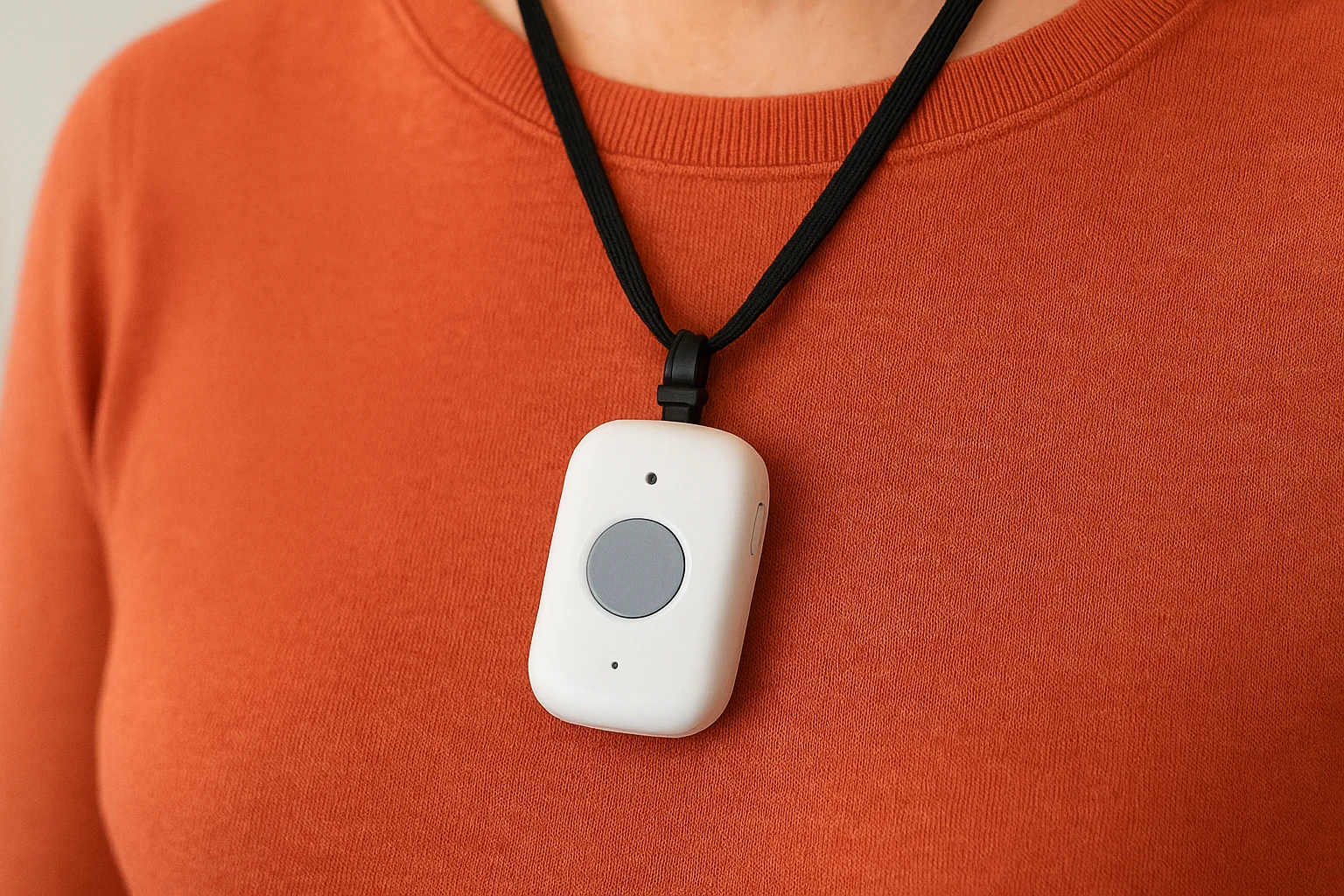
The Medical Guardian MGMini is a lightweight mobile fall detection device that combines GPS tracking with automatic fall alerts in a pendant small enough to wear on a lanyard or clip to your belt. This device connects to AT&T's cellular network rather than requiring a base station in your home, giving you fall protection anywhere within the coverage area. The MGMini works best when you need fall detection that travels with you beyond your house, whether you're walking the dog, visiting family, or running errands around town.
How it works and standout safety features
When the MGMini detects a fall through its built-in accelerometer and impact sensors, it automatically connects you to Medical Guardian's 24/7 monitoring center within seconds. The device uses two-way voice communication built directly into the pendant, so you can speak with emergency responders without needing to reach a phone. Medical Guardian's operators can see your exact GPS location on their screen, allowing them to dispatch help to your precise coordinates even if you're unable to communicate your address.
The MGMini includes a manual emergency button you can press if you need help but haven't fallen. Battery life lasts up to five days between charges, and you receive low-battery alerts through the device's speaker to remind you when charging is needed.
Who it's best for
You'll benefit most from the MGMini if you're active and frequently leave home but want continuous fall protection that doesn't depend on staying within range of a base station. Seniors who live alone and regularly walk outdoors, garden, or travel short distances without a companion get the most value from mobile GPS tracking combined with fall detection. This device also suits families who worry about their loved one getting lost or disoriented while out, since the monitoring center can locate them anywhere.
Pros and cons
Nationwide cellular coverage means you stay protected in most locations across the United States, not just inside your home. The waterproof design lets you wear it in the shower where many falls happen. Medical Guardian's monitoring center employs trained operators rather than automated systems, giving you a human response every time an alert triggers.
Mobile fall detection devices for seniors like the MGMini sacrifice some accuracy compared to systems designed specifically for home use, leading to occasional false alarms from sudden movements while driving or riding in vehicles.
The device requires regular charging every few days, which some seniors forget or find difficult to manage. Cellular coverage gaps in rural areas can interrupt service.
2026 pricing and fees to watch for
Medical Guardian charges $44.95 per month with a required prepayment of either one quarter ($134.85) or one year ($539.40 with discount). You'll pay a $99 one-time equipment fee plus $10 shipping. Watch for the activation fee of $50 that some sales representatives waive during promotional periods. The monthly cost stays fixed with no annual rate increases locked in when you prepay yearly, but you must maintain active service with Medical Guardian to keep using the device.
3. Bay Alarm Medical SOS All-in-One 2
The Bay Alarm Medical SOS All-in-One 2 combines a cellular mobile device with automatic fall detection in a compact unit you can wear around your neck or attach to your clothing. This device eliminates the need for a landline or base station by connecting directly to T-Mobile's 4G LTE network, giving you freedom to move throughout your home and yard while maintaining protection. Bay Alarm Medical's system works particularly well when you want a simple fall detection solution without complex smart home integration or when you need backup protection during power outages.
How it works and standout safety features
The device monitors your movements through advanced motion sensors that distinguish between normal activities like bending over and actual fall events. When it detects a fall, the SOS All-in-One 2 automatically connects you to Bay Alarm Medical's monitoring center within 30 seconds, where trained agents assess your situation and contact emergency services or your designated family members. The built-in speakerphone allows two-way communication from up to 600 feet away from the base unit, giving you wider coverage than traditional medical alert pendants.
Bay Alarm Medical includes GPS tracking that helps locate you if you wander away from home or need help in an unfamiliar location. The device charges wirelessly on its included base, eliminating fumbling with charging cables, and a single charge provides up to five days of battery life.
Who it's best for
This device suits you if you split time between multiple locations like a main house and a vacation property, since the cellular connection works anywhere within T-Mobile's coverage area without requiring equipment setup at each location. Seniors who live in areas with unreliable landline service or those who have already discontinued their home phone service get better value from cellular-based fall detection devices for seniors than systems requiring phone line connections. You'll also benefit if you spend significant time in your yard or garage where traditional base station systems lose signal.
Pros and cons
No landline requirement reduces monthly costs and eliminates concerns about maintaining phone service solely for emergency alerts. The wireless charging base simplifies the daily charging routine compared to devices with small plug-in ports that seniors with limited dexterity struggle to connect. Bay Alarm Medical's monitoring center operates domestically within the United States rather than routing calls to overseas centers.
Cellular devices depend on network coverage that can vary by location, so you should verify T-Mobile's signal strength in your specific area before committing to this system.
The pendant design is larger than some competing models, which bothers seniors who prefer discreet wearables. Service interruptions occur during network maintenance periods, typically lasting only minutes but potentially critical during emergencies.
2026 pricing and fees to watch for
Bay Alarm Medical charges $37.95 monthly with no long-term contracts required, allowing you to cancel service whenever needed. You'll pay a $99 equipment fee for the device itself, though promotional periods sometimes waive this cost for first-time customers. Shipping adds $9.95 to your initial order. The company does not charge activation fees or annual rate increases, keeping your monthly cost predictable. Equipment warranty coverage continues for your entire subscription period at no additional charge.
4. MobileHelp Solo
The MobileHelp Solo delivers fall detection through a wearable device that connects to AT&T's 4G LTE cellular network without requiring a base station or landline connection. This all-in-one pendant includes GPS tracking, two-way voice communication, and automatic fall detection sensors in a single lightweight unit you wear around your neck or clip to your belt. MobileHelp Solo works best when you need reliable fall protection both inside and outside your home without the limitations of range-restricted base station systems.
How it works and standout safety features
The Solo uses motion-sensing technology to detect sudden falls and immediately connects you to MobileHelp's 24/7 monitoring center through the pendant's built-in speaker and microphone. Emergency operators can pinpoint your exact location using the device's GPS tracker, allowing them to send help even if you can't communicate your address or whereabouts. The pendant's voice communication system works clearly from up to 600 feet away indoors and provides nationwide coverage outdoors wherever AT&T has cellular service.
MobileHelp includes activity tracking features that monitor your daily movement patterns and can alert family members if unusual inactivity suggests a potential problem. The device charges on a magnetic base that connects automatically when you place the pendant down, eliminating the need to plug in small charging cables.
Who it's best for
You'll find the MobileHelp Solo most valuable if you maintain an active lifestyle that takes you away from home regularly for walks, gardening, or visiting neighbors. Seniors who refuse to wear multiple devices appreciate having fall detection, GPS tracking, and emergency communication combined in one pendant rather than managing separate systems. This device also suits you if you live in an area where cellular coverage is stronger than landline reliability or if you've already canceled your home phone service to reduce monthly expenses.
Pros and cons
Cellular independence means you stay protected during power outages and phone line failures that disable traditional medical alert systems. The magnetic charging base reduces frustration for seniors with arthritis or vision problems who struggle with small charging ports. MobileHelp's monitoring center operates domestically with trained agents rather than automated responses.
Fall detection devices for seniors that rely on cellular networks may experience service interruptions in areas with weak signal strength or during network congestion periods.
The Solo requires daily charging, which some users forget or find burdensome. Battery life typically lasts only 24 to 36 hours between charges, shorter than many competing mobile devices.
2026 pricing and fees to watch for
MobileHelp charges $49.95 monthly for the Solo with fall detection included. You'll pay a $69.95 equipment fee plus $19.95 shipping when you first order. The company requires either a quarterly prepayment of $149.85 or an annual prepayment of $599.40 with discounts applied. Watch for potential activation fees ranging from $20 to $50 depending on promotional periods. MobileHelp locks your monthly rate for the duration of prepaid periods but may increase rates upon renewal.
5. LifeFone VIPx
The LifeFone VIPx delivers mobile fall detection through a GPS-enabled pendant that operates on Verizon's 4G LTE network without requiring a base station or home phone line. This wearable device combines automatic fall detection sensors with two-way voice communication and location tracking in a single unit you wear around your neck or attach to your clothing. LifeFone VIPx stands out among fall detection devices for seniors by offering flexible service plans that let you choose between using your own emergency contacts or connecting to their professional monitoring center.
How it works and standout safety features
The VIPx monitors your movements through built-in accelerometers that detect sudden impacts and position changes consistent with falls. When the device identifies a fall event, it automatically connects you to LifeFone's monitoring center or dials your pre-programmed emergency contacts, depending on which service level you selected. The pendant includes a two-way speaker and microphone system that allows clear communication from up to 350 feet away in most environments, giving you wider range than many competing mobile devices.
LifeFone built nationwide GPS tracking into the VIPx that pinpoints your exact location whether you're at home, visiting family, or walking in your neighborhood. The device charges on a magnetic dock that attaches automatically without requiring you to align small charging ports, and battery life lasts approximately three to five days between charges.
Who it's best for
You'll get the most value from the VIPx if you travel frequently or divide your time between multiple residences, since the cellular connection works anywhere within Verizon's coverage area without needing setup at each location. Seniors who want the option to alert family members directly rather than routing every call through a monitoring service appreciate LifeFone's flexible contact options. This device also suits you if you maintain an active outdoor lifestyle with regular walks, gardening sessions, or errands that take you away from home for extended periods.
Pros and cons
Verizon's network coverage reaches most areas across the United States, providing reliable connectivity in both urban and rural locations. The direct-to-contact feature lets you customize who receives alerts without paying for professional monitoring if your family prefers handling emergencies themselves. LifeFone's customer service operates domestically rather than routing calls overseas.
Mobile pendants require consistent charging habits that some seniors forget, potentially leaving you unprotected if the battery dies unexpectedly.
The three-to-five-day battery life falls shorter than some competing devices that offer week-long operation. Cellular service depends on network availability that occasionally experiences dead zones or maintenance interruptions.
2026 pricing and fees to watch for
LifeFone charges $39.95 monthly for the VIPx with professional monitoring or $29.95 monthly if you choose direct-to-caregiver alerts without monitoring center access. You'll pay a $99.95 equipment fee for the device plus $19.95 shipping. The company offers discounts for quarterly ($119.85) or annual ($479.40) prepayments. Watch for activation fees ranging from $0 to $50 depending on promotional periods when you order.
6. Philips Lifeline with AutoAlert
The Philips Lifeline with AutoAlert combines automatic fall detection with one of the most established medical alert brands in the industry, offering both home-based and mobile protection options. This system uses proven fall detection technology that Philips has refined over decades of emergency response experience, giving you access to their extensive network of monitoring centers across the United States. Philips Lifeline works best when you want reliable fall protection backed by a company with long-term stability and proven emergency response protocols.
How it works and standout safety features
AutoAlert technology monitors your movements through advanced sensors that analyze patterns consistent with falls, including sudden changes in position, impact force, and body orientation. When the system detects a fall, it automatically connects you to Philips Lifeline's monitoring center within seconds, where trained agents assess your situation and contact emergency services or your designated contacts. The device works as either a home base station system with pendant or a mobile GPS-enabled unit, depending on which package you select.
Philips built water-resistant pendants that you can wear in the shower where many senior falls occur. Their monitoring centers maintain redundant systems across multiple locations to ensure continuous operation even during regional power outages or natural disasters.
Who it's best for
You'll benefit most from Philips Lifeline if you prioritize brand reputation and long-term company stability when selecting fall detection devices for seniors. Seniors who want the option to upgrade from basic home protection to mobile GPS coverage later appreciate Philips's flexible system options. This device also suits you if you prefer working with an established medical alert provider that hospitals and healthcare professionals commonly recommend to their patients.
Pros and cons
Decades of industry experience mean Philips has refined their response protocols through millions of emergency situations. Their monitoring centers employ trained professionals rather than automated systems, and they maintain relationships with local emergency services nationwide.
Medical alert companies with long operating histories typically offer more stable service than newer startups that may discontinue operations unexpectedly.
Equipment costs run higher than budget competitors, and Philips requires longer contract commitments than some alternatives. Their customer service response times can lag during peak periods.
2026 pricing and fees to watch for
Philips Lifeline charges $29.95 to $49.95 monthly depending on whether you choose home-only or mobile GPS coverage. You'll pay a $75 to $150 equipment fee based on which system you select, plus activation fees ranging from $50 to $95. The company typically requires three-month minimum commitments but offers discounts for annual prepayment.
7. Medical Alert fall detection pendant
The Medical Alert fall detection pendant provides automatic fall monitoring through a lightweight wearable device that connects to a home base station plugged into your wall outlet and phone line. This system combines traditional landline reliability with modern fall detection sensors, giving you protection throughout your home and yard within range of the base unit. Medical Alert's pendant works particularly well when you want straightforward fall protection without cellular plans or monthly equipment fees beyond the core monitoring service.
How it works and standout safety features
Your pendant monitors movements through built-in accelerometers that detect sudden impacts and position changes indicating a fall has occurred. When the sensors identify a fall event, the device automatically connects you to Medical Alert's monitoring center through the base station's two-way speaker system, which typically provides clear communication from up to 1,300 feet away in most home layouts. The base station uses your existing phone line to establish the emergency call, eliminating dependence on internet connectivity or cellular networks that can fail during power outages.
Medical Alert includes waterproof pendant design that protects the device when you wear it in the shower or bath. Battery life lasts approximately six months before needing replacement, reducing maintenance compared to rechargeable fall detection devices for seniors.
Who it's best for
You'll find this system most practical if you rarely leave home and want reliable protection focused on your house rather than mobile coverage. Seniors who maintain active landline service and prefer traditional phone-based communication over cellular technology benefit from Medical Alert's straightforward approach. This pendant also suits you if you struggle with technology and want a simple system that requires minimal interaction beyond wearing the device and pressing the button when needed.
Pros and cons
Landline connection provides reliable service during power outages when paired with a corded phone and avoids cellular dead zones that interrupt mobile systems. The extended range covers most homes including basements and yards where you spend time outdoors. Medical Alert's monitoring center operates with trained professionals rather than automated responses.
Traditional landline systems limit your protection to areas within range of your base station, leaving you vulnerable if you wander beyond coverage or travel away from home.
The system requires maintaining phone service that many households have discontinued. False alarms occur occasionally from sudden movements while gardening or exercising.
2026 pricing and fees to watch for
Medical Alert charges $29.95 monthly for their basic service with fall detection included. You'll pay a $49.95 equipment fee for the pendant and base station, plus $12.95 shipping. The company requires three-month minimum commitments but waives activation fees during most promotional periods. Equipment warranty coverage continues throughout your active subscription at no additional charge.
8. Alert1 fall detection pendant
The Alert1 fall detection pendant offers automatic fall monitoring through a wearable device that pairs with either a home base station or mobile cellular unit, giving you flexibility to choose between landline-connected or network-based protection. This system uses highly sensitive sensors calibrated to detect falls while minimizing false alarms from everyday movements like bending or sitting down quickly. Alert1's pendant works best when you want affordable fall protection with the option to upgrade from basic home coverage to mobile GPS tracking without switching providers or learning a new system.
How it works and standout safety features
The pendant monitors your position and movement through advanced accelerometer technology that analyzes sudden changes in velocity, impact force, and body orientation. When sensors detect a fall pattern, the device automatically alerts Alert1's monitoring center within seconds, connecting you to trained emergency operators through either your base station's two-way speaker or the mobile unit's built-in voice system. Your pendant works as a manual emergency button when pressed, giving you backup communication if automatic detection misses an incident or you need help for non-fall emergencies.
Alert1 designed their pendants with fully waterproof construction rated for shower and bath use. The home system provides coverage up to 1,000 feet from your base station in typical residential layouts.
Who it's best for
You'll benefit most from Alert1 if you want budget-friendly fall detection devices for seniors without sacrificing monitoring quality or customer service responsiveness. Seniors who appreciate having upgrade options appreciate Alert1's ability to switch from home-only to mobile coverage by swapping pendants rather than changing companies. This system also suits you if you value companies with strong Better Business Bureau ratings and transparent pricing rather than those requiring long contract commitments or hidden activation fees.
Pros and cons
Multiple system options let you start with basic protection and expand later without learning new equipment. Alert1's customer service operates domestically with accessible representatives. Their monitoring center maintains backup systems across several locations to ensure continuous operation during regional outages.
Fall detection accuracy depends partly on wearing your pendant correctly positioned on your chest rather than stuffed in a pocket or worn on your wrist where sensors can't properly detect impact patterns.
Base station systems lose connection if you wander beyond range. Equipment requires regular battery replacements or charging depending on model selected.
2026 pricing and fees to watch for
Alert1 charges $24.95 to $39.95 monthly depending on whether you select home-based or mobile GPS coverage. You'll pay a $79.95 equipment fee for the pendant and base station or mobile unit. The company waives activation fees and shipping costs during standard promotional periods. Alert1 requires no long-term contracts, allowing monthly cancellation with 30 days' notice.
9. Life Alert emergency response service
The Life Alert emergency response service provides fall detection through a wearable pendant that connects to a home base station requiring both a landline phone connection and electrical outlet. This system became famous through widespread advertising campaigns and represents one of the oldest medical alert companies operating continuously since 1987. Life Alert works best when you want fall protection from a long-established company with extensive emergency response experience, though you'll pay premium pricing and commit to longer contracts than most modern alternatives.
How it works and standout safety features
Your Life Alert pendant monitors movements through built-in sensors that detect sudden position changes and impacts consistent with falls. When the device identifies a fall, it automatically connects you to Life Alert's monitoring center through your base station's two-way speaker system, which company representatives claim provides clearer audio than competing systems. The base station requires connection to your home's landline and maintains backup battery power that keeps the system operational during electrical outages for approximately 30 hours.
Life Alert operates six monitoring centers across the United States with redundant backup systems designed to maintain continuous service during regional emergencies. Their pendants feature waterproof construction rated for shower use.
Who it's best for
You'll find Life Alert most suitable if you strongly value brand recognition from decades of television advertising and want protection from a company with proven long-term stability in the medical alert industry. Seniors who maintain active landline service and rarely travel away from home benefit from Life Alert's focus on traditional home-based protection. This system also suits you if you trust established companies with extensive operating histories over newer startups offering fall detection devices for seniors.
Pros and cons
Multiple monitoring centers with backup systems reduce service interruption risks during regional disasters or equipment failures. Life Alert's long operating history demonstrates financial stability unlikely to result in sudden company closures. Their customer service representatives undergo extensive training specific to senior emergency response protocols.
Companies requiring multi-year contracts and higher pricing typically provide more stable service than budget providers, though you sacrifice flexibility to switch services if your needs change.
The system requires maintaining landline service that many households have discontinued. Life Alert's pricing runs significantly higher than competitors, and you'll commit to longer contract terms.
2026 pricing and contract details to confirm
Life Alert typically charges $50 to $90 monthly depending on which protection package you select, though exact pricing requires calling their sales team for customized quotes. You'll pay equipment fees and activation charges that representatives discuss during consultation calls. The company requires three-year contract commitments in most cases, with early termination fees applying if you cancel service before your contract period ends.
10. Unaliwear Kanega Watch
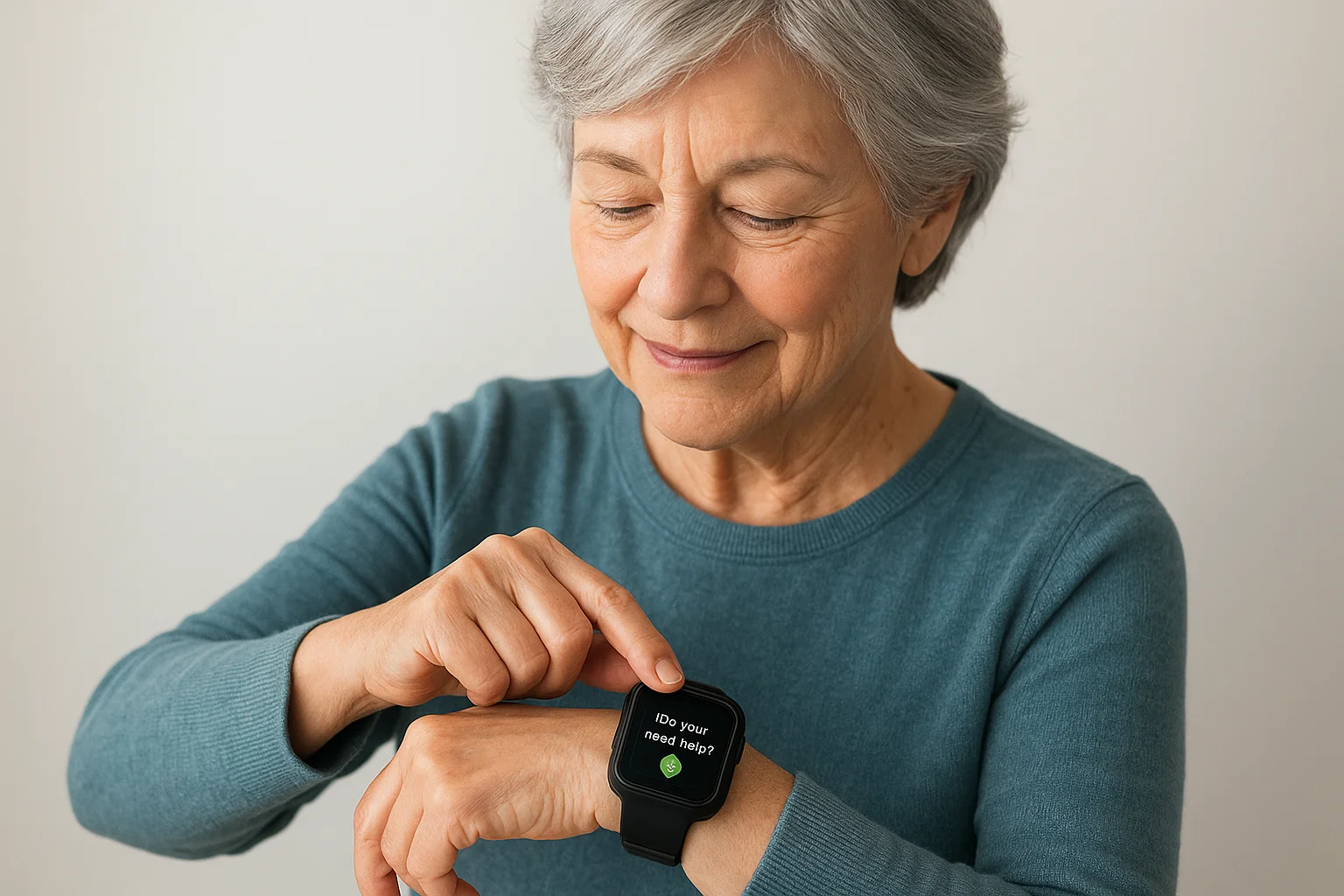
The Unaliwear Kanega Watch delivers fall detection through a voice-controlled smartwatch that eliminates the need for pressing buttons or manually calling for help. This wearable device uses conversational artificial intelligence to check on you after detecting unusual activity patterns, asking questions through the watch's speaker to determine if you need assistance. Unaliwear Kanega Watch stands out among fall detection devices for seniors by combining automatic monitoring with interactive voice confirmation that reduces false alarms while ensuring real emergencies receive immediate attention.
How it works and standout safety features
The Kanega Watch monitors your movements through built-in motion sensors that detect falls and track your daily activity patterns over time. When the watch identifies a potential fall or notices you haven't moved normally throughout the day, it speaks to you through its voice interface asking if you need help. You respond by speaking naturally to the watch, confirming whether you're okay or requiring assistance. The system connects you to emergency contacts or monitoring services based on your response, using the watch's cellular connection to place calls and share your GPS location.
Unaliwear programmed the watch with conversational AI that understands natural speech patterns rather than requiring specific voice commands. The device charges wirelessly and maintains waterproof protection for shower wear.
Who it's best for
You'll benefit most from the Kanega Watch if you struggle with small buttons or forget to wear traditional medical alert pendants that feel stigmatizing. Seniors with cognitive challenges who respond better to voice prompts than visual displays appreciate the watch's spoken check-ins. This device also suits you if you want fall protection combined with wellness monitoring that tracks daily movement patterns and alerts family members when unusual inactivity suggests potential problems beyond falls.
Pros and cons
Voice interaction eliminates fumbling with buttons during emergencies and provides a more natural way to confirm false alarms. The smartwatch design looks less conspicuous than traditional medical alert pendants. Conversational AI adapts to your speech patterns over time, improving accuracy.
Devices requiring voice responses may struggle in noisy environments or with users who have severe speech impairments that prevent clear verbal communication.
Battery life requires daily charging that some seniors forget. The watch costs significantly more than basic pendants.
2026 pricing and upfront costs
Unaliwear charges $69 to $99 monthly depending on monitoring options selected. You'll pay a $500 to $700 upfront equipment fee for the Kanega Watch itself, which represents the highest initial cost among most fall detection devices for seniors. The company requires either quarterly or annual prepayment after the equipment purchase. Activation fees typically add $50 to your first order unless waived during promotional periods.
11. Apple Watch fall detection
The Apple Watch includes built-in fall detection as a standard feature on Series 4 and newer models, offering automatic emergency calling without requiring a separate medical alert subscription or monthly monitoring fees. This smartwatch uses advanced sensors and algorithms developed by Apple to identify hard falls and connect you to emergency services through your iPhone or the watch's cellular connection. Apple Watch works differently from dedicated fall detection devices for seniors since it prioritizes general health tracking and smart notifications alongside fall monitoring, making it ideal when you want multiple functions in one wearable rather than a single-purpose safety device.
How it works and what it can and can't detect
Your Apple Watch monitors falls through its accelerometer and gyroscope sensors that track sudden directional changes, impact force, and wrist trajectory patterns consistent with falling. When the watch detects a hard fall, it taps your wrist, sounds an alarm, and displays an alert asking if you need emergency assistance. You can dismiss the alert if you're fine or call emergency services by tapping the screen. If you remain motionless for 60 seconds after the detected fall, the watch automatically calls emergency services and sends your location to your emergency contacts.
The system detects hard falls like slipping and hitting the ground or tripping down stairs but struggles with slow collapses or falls onto soft surfaces like beds. Apple designed the feature primarily for sudden, forceful impacts rather than gradual lowering to the ground.
Who it's best for
You'll find the Apple Watch most practical if you already use an iPhone and want fall protection integrated with fitness tracking, heart rate monitoring, and communication features. Seniors comfortable with touchscreen technology who value having text messages, phone calls, and health data accessible from their wrist benefit from the watch's multiple capabilities. This device also suits you if you prefer modern smartwatch styling over traditional medical alert pendants that look conspicuous and feel stigmatizing.
Pros and cons
No monthly subscription fees mean you avoid recurring costs associated with traditional medical alert services. The watch includes numerous health features beyond fall detection like heart rate alerts, ECG monitoring, and medication reminders. Apple's widespread brand recognition ensures long-term software support and easy repairs through retail stores.
Smartwatches require daily charging that some seniors forget, potentially leaving you unprotected if the battery dies overnight or during extended outings.
Fall detection accuracy drops compared to dedicated medical alert systems, leading to missed falls or false alarms. You need either an iPhone or cellular Apple Watch model to place emergency calls.
2026 pricing and ongoing costs to plan for
Apple Watch prices range from $399 for the SE model to $799 for the Series 10, with cellular versions adding $100 to each price tier. You'll pay $10 monthly for cellular service through your phone carrier if you choose a cellular-enabled watch, though GPS-only models require staying near your iPhone to call for help. Apple Care+ protection plans cost $79 to $149 depending on model and cover accidental damage repairs.
12. MyNotifi no-monthly-fee fall detection wearable
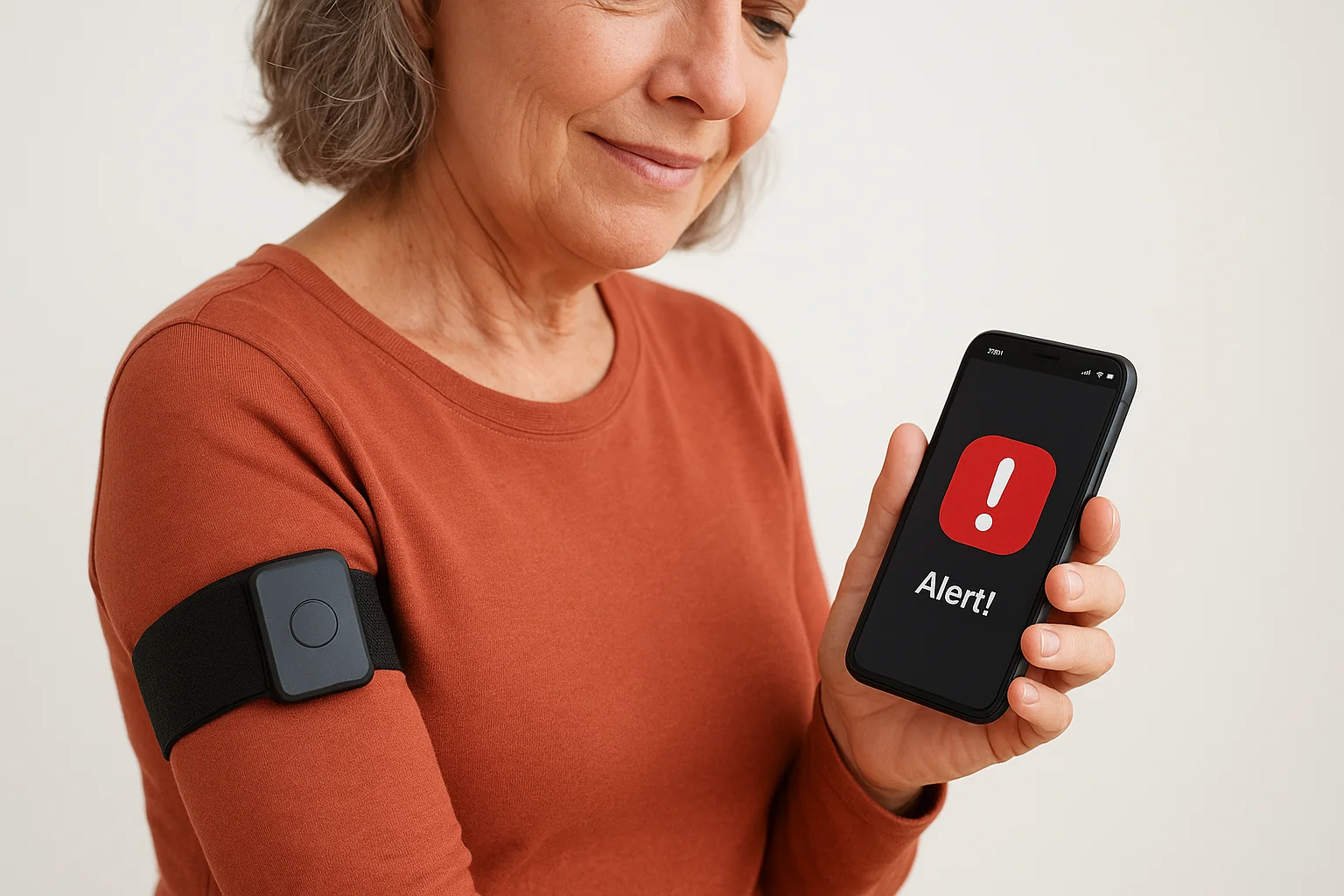
The MyNotifi eliminates recurring subscription costs by offering fall detection through a wearable device that alerts your designated emergency contacts directly without routing calls through a monitoring center. This armband-style sensor connects to your smartphone via Bluetooth and notifies up to five family members or friends when it detects a fall, making it one of the few fall detection devices for seniors that operates without monthly service charges. MyNotifi works best when your family wants to handle emergency responses themselves rather than paying for professional monitoring services.
How it works and alerting options
MyNotifi's armband contains motion sensors that detect sudden movements and impacts consistent with falls. When the device identifies a fall event, it sends push notifications and text messages to your emergency contacts through its companion smartphone app installed on your iPhone or Android device. Your contacts receive alerts showing your fall occurred along with a request to check on you, though the system does not include GPS tracking or two-way voice communication like cellular medical alert devices.
The armband requires staying within Bluetooth range of your phone, typically about 30 feet in most home layouts. You can also press a button on the device to manually send help requests when you need assistance but haven't fallen.
Who it's best for
You'll benefit most from MyNotifi if you want to avoid monthly subscription fees and have family members who can respond quickly when alerts arrive. Seniors living near adult children or other relatives who check their phones regularly get the most value from direct-to-contact alerting. This device also suits you if you stay primarily at home within Bluetooth range of your smartphone and don't need the extended coverage mobile cellular systems provide.
Pros and cons
One-time purchase pricing saves hundreds of dollars compared to multi-year monitoring subscriptions. The armband design stays secure during movement without pendant chains that catch on objects or feel uncomfortable. MyNotifi's app allows customizing which contacts receive alerts for different times of day.
Devices without professional monitoring depend entirely on your contacts seeing and responding to alerts quickly, which may fail if they're sleeping, working, or in areas with poor phone reception.
Bluetooth dependency limits your range and requires keeping your smartphone charged and nearby. The system provides no two-way communication to confirm your condition after falls.
2026 one-time pricing and what's included
MyNotifi costs $299 as a single purchase with no monthly fees, activation charges, or contract requirements. Your payment includes the armband sensor, charging cable, smartphone app access, and lifetime device updates. The company offers a 30-day return policy if the system doesn't meet your needs. Battery life lasts approximately seven days between charges, and replacement batteries cost $15 when needed after one to two years of use.
Next steps
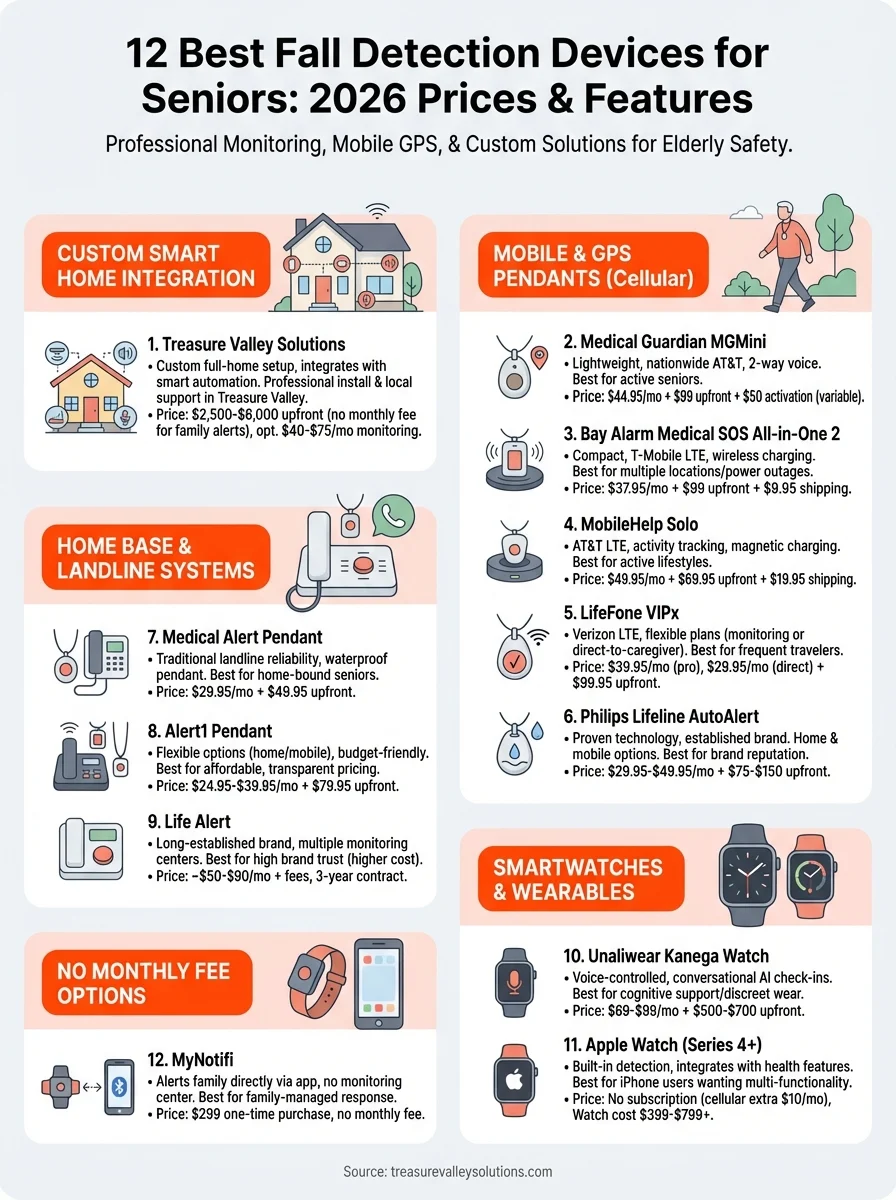
Choosing the right fall detection devices for seniors depends on your loved one's lifestyle, your budget, and whether they'll actually wear the device consistently. Mobile GPS systems work best for active seniors who leave home regularly, while home-based sensors provide better coverage for those who spend most time indoors. You'll save money with one-time purchase options like MyNotifi or Apple Watch if your family can monitor alerts directly, but professional monitoring services offer faster emergency response through trained operators who contact help even when family members miss notifications.
Start by evaluating which features matter most for your situation: automatic fall detection accuracy, GPS tracking, waterproof design, battery life, or range from base stations. Compare monthly costs over multiple years rather than just upfront prices, since subscription fees quickly surpass initial equipment savings. If you're in the Treasure Valley area and want a custom fall detection system integrated with smart home technology, contact Treasure Valley Solutions for a free consultation and quote based on your specific home layout and safety needs.
Need Expert Help?
Ready to implement these solutions in your own home or business?
Our Services

Complete home automation and control.

Home theater design and installation planned around your room, viewing goals, and equipment scope.
Comprehensive security solutions for home and business.
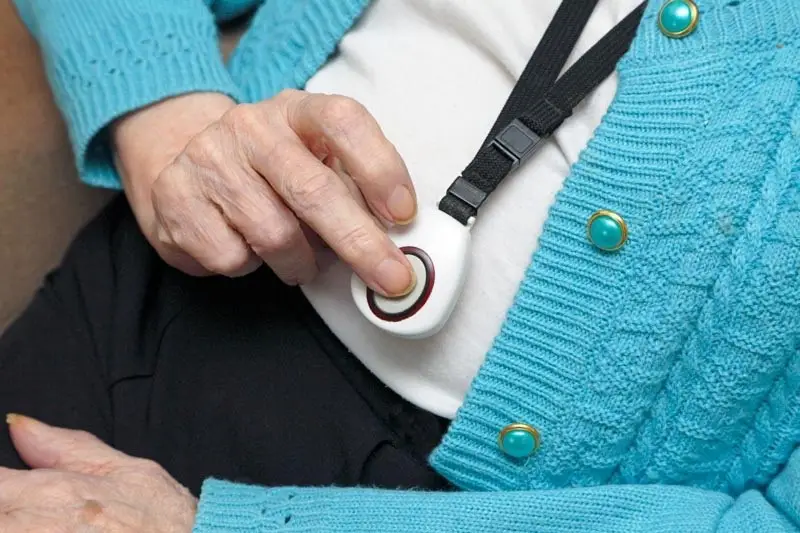
Technology solutions for independent living.
Serving the Treasure Valley
Local installation in your city