 (208) 991-3502
 Meridian, ID



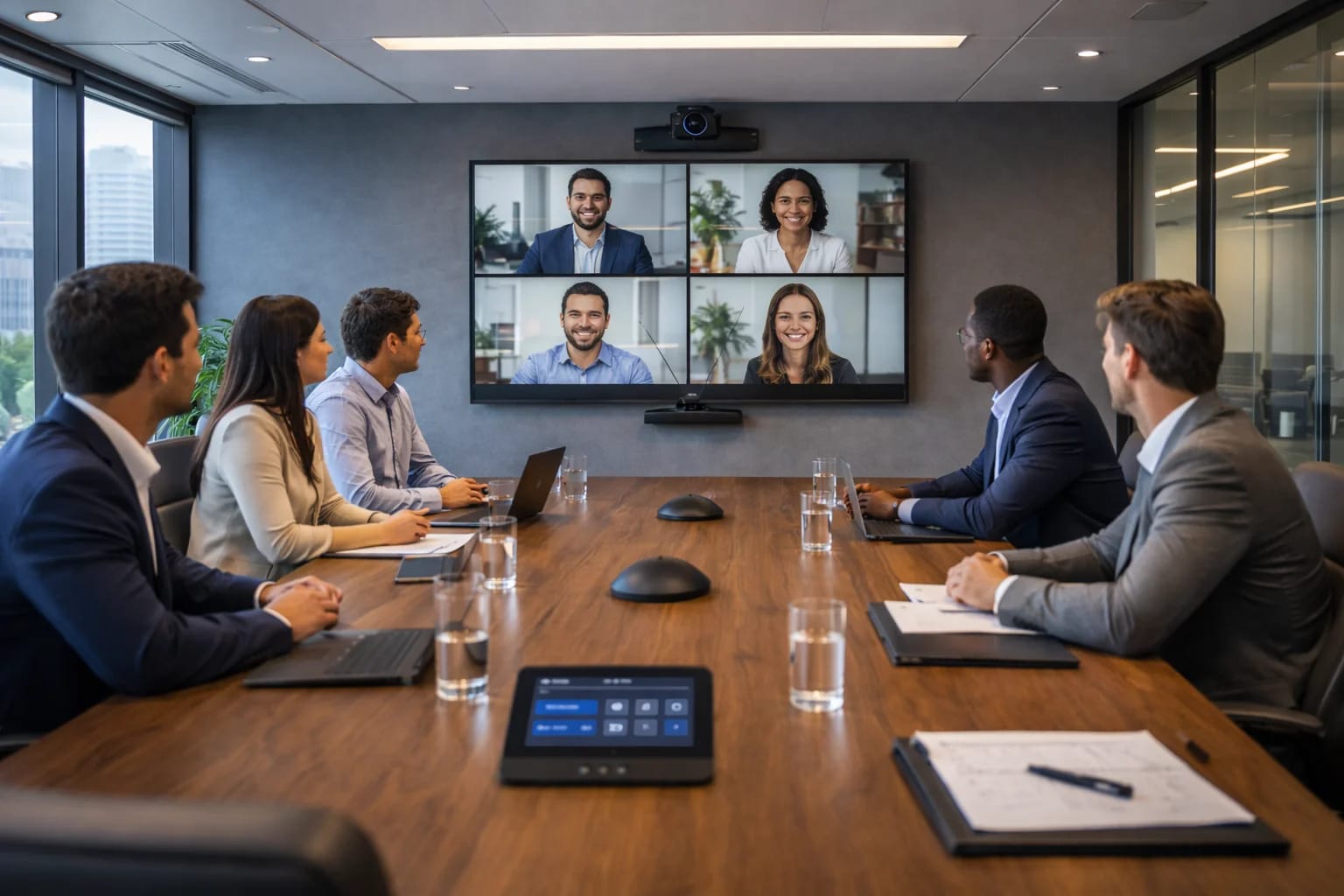

Meetings don’t fall apart because of people—they fall apart because the room wasn’t designed to support how teams actually work. This post breaks down why reliable conference rooms start with intentional design, not flashy gear, and how displays, audio, cameras, controls, and infrastructure all have to work together. When AV is done right, meetings start on time, hybrid participants feel included, and distractions disappear. Bottom line: great conference room AV respects everyone’s time and keeps the focus where it belongs—on the conversation.
Plan the right scope
Choose a conference-room project path
Introduction: Why So Many Meetings Start Late
If meetings regularly start with cable swapping, audio feedback, or someone saying “Give me a second,” the problem isn’t your team.
It’s the conference room AV system.
Reliable meeting rooms don’t happen by accident. They’re designed—intentionally—around how people actually meet, speak, present, and collaborate. When that design is missing, even expensive equipment falls flat.
Let’s break down what separates conference rooms that just work from ones that constantly derail productivity.
Reliability Starts With Room Design, Not Equipment
Most conference room issues come from skipping the design phase.
A reliable AV system considers:
Room size and layout
Number of participants (in-room and remote)
Acoustics and background noise
Lighting and sightlines
How often the room is used
Without this foundation, technology becomes a guessing game.
Displays: Clear Visuals Without Distraction
Conference rooms live and die by visibility.
A professional setup ensures:
Displays sized correctly for the room
Proper mounting height for seated viewing
Brightness that overcomes ambient light
No glare from windows or overhead lighting
Bigger isn’t always better—right-sized is.
Audio: The #1 Failure Point in Conference Rooms
If people can’t hear—or be heard—the meeting fails instantly.
Reliable conference room audio includes:
Microphones that capture voices evenly
Echo cancellation to prevent feedback
Speakers positioned for consistent sound
Soundbars and laptop mics rarely work beyond two people. Professional systems are designed so everyone speaks naturally, without leaning forward or repeating themselves.
Cameras: Framing Matters More Than Resolution
A great camera in the wrong place still fails.
Professional conference room camera design focuses on:
Natural eye contact
Full-room visibility
Proper framing for remote participants
The goal isn’t flashy video—it’s connection.
Control Systems: Simplicity Is the Feature
The best conference room control system disappears.
Reliable systems offer:
One-touch meeting start
Consistent controls across rooms
Minimal training requirements
If users need instructions taped to the wall, the system is already failing.
Supporting Hybrid Meetings Without Friction
Hybrid meetings are now the default—not the exception.
A reliable conference room AV system:
Treats remote participants as equals
Prevents “side conversations”
Keeps audio and video balanced
This requires microphones, cameras, and speakers designed specifically for hybrid use—not adapted after the fact.
Infrastructure: What’s Behind the Wall Matters
Even the best AV hardware fails without proper infrastructure.
Professional conference rooms rely on:
Structured low-voltage cabling
Stable network connections
Clean power and grounding
Organized equipment locations
Skipping this step leads to intermittent issues—the hardest kind to diagnose.
Common Conference Room AV Mistakes to Avoid
Most unreliable rooms suffer from at least one of these:
Consumer-grade equipment in a business space
No acoustic treatment
Poor microphone placement
No documentation or support plan
Fixing these after the fact always costs more.
When Every Room Works the Same, Everything Gets Easier
Standardized conference room AV design allows:
Faster onboarding
Fewer support calls
Consistent user experience
Easier upgrades
This is especially valuable for offices with multiple meeting spaces.
Final Thoughts: Reliable Conference Rooms Respect People’s Time
When AV works:
Meetings start on time
Conversations stay focused
Teams feel confident
Reliable conference room AV systems aren’t about tech—they’re about removing friction from communication.
Need Expert Help?
Ready to implement these solutions in your own home or business?
Our Services
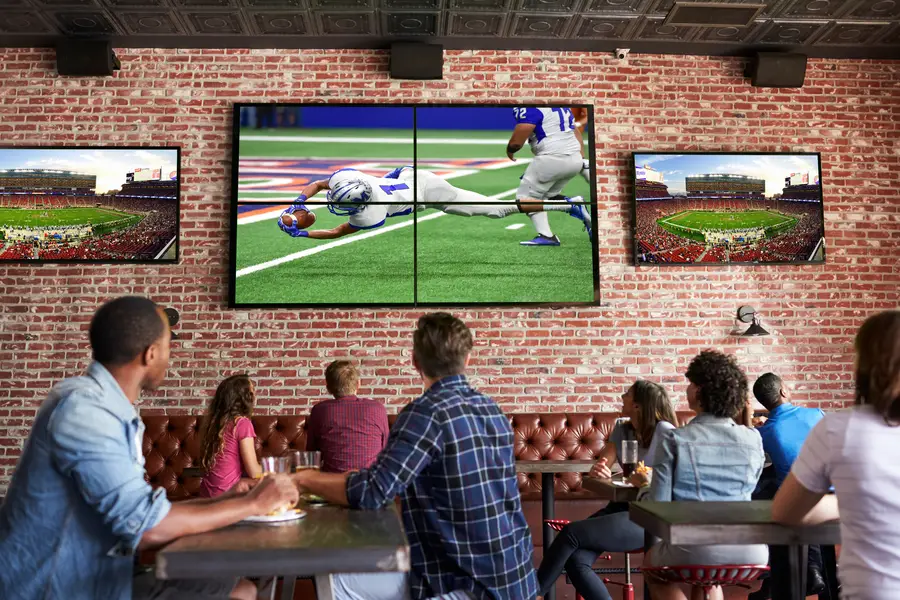
Expert TV Mounting Treasure Valley Homeowners & Businesses Trust

Home theater design and installation planned around your room, viewing goals, and equipment scope.
Explore whole-home audio, commercial sound, Sonos setup, and surround sound installation in the Treasure Valley.
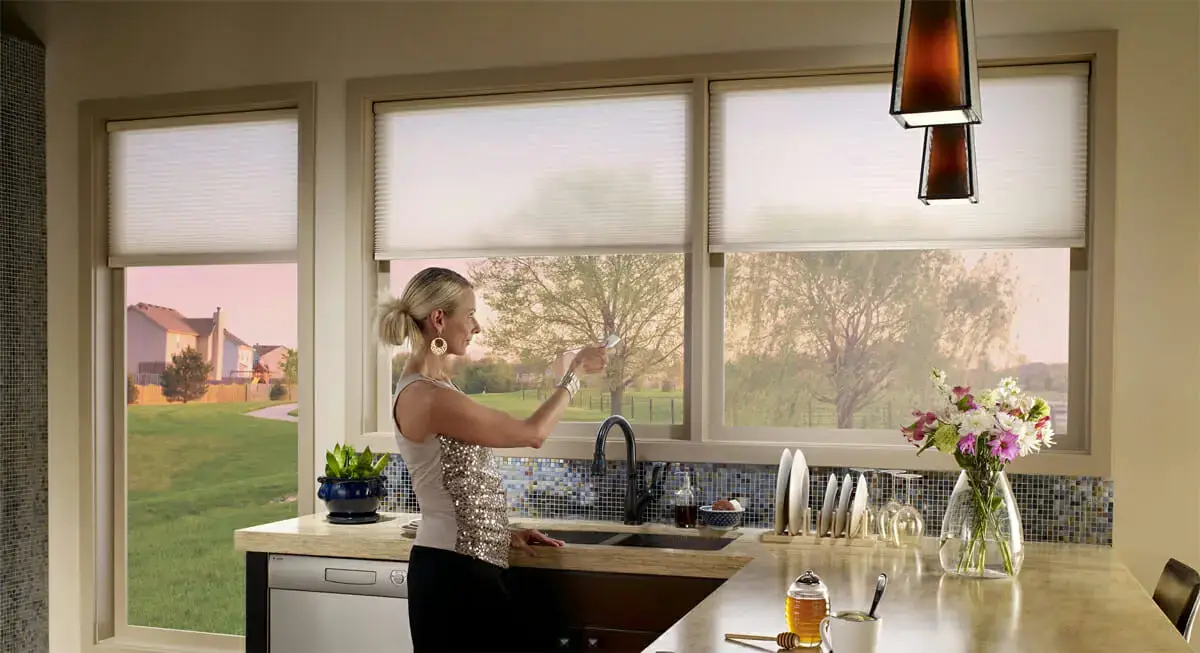
Motorized shades for convenience and energy efficiency.
Serving the Treasure Valley
Local installation in your city