 (208) 991-3502
 Meridian, ID



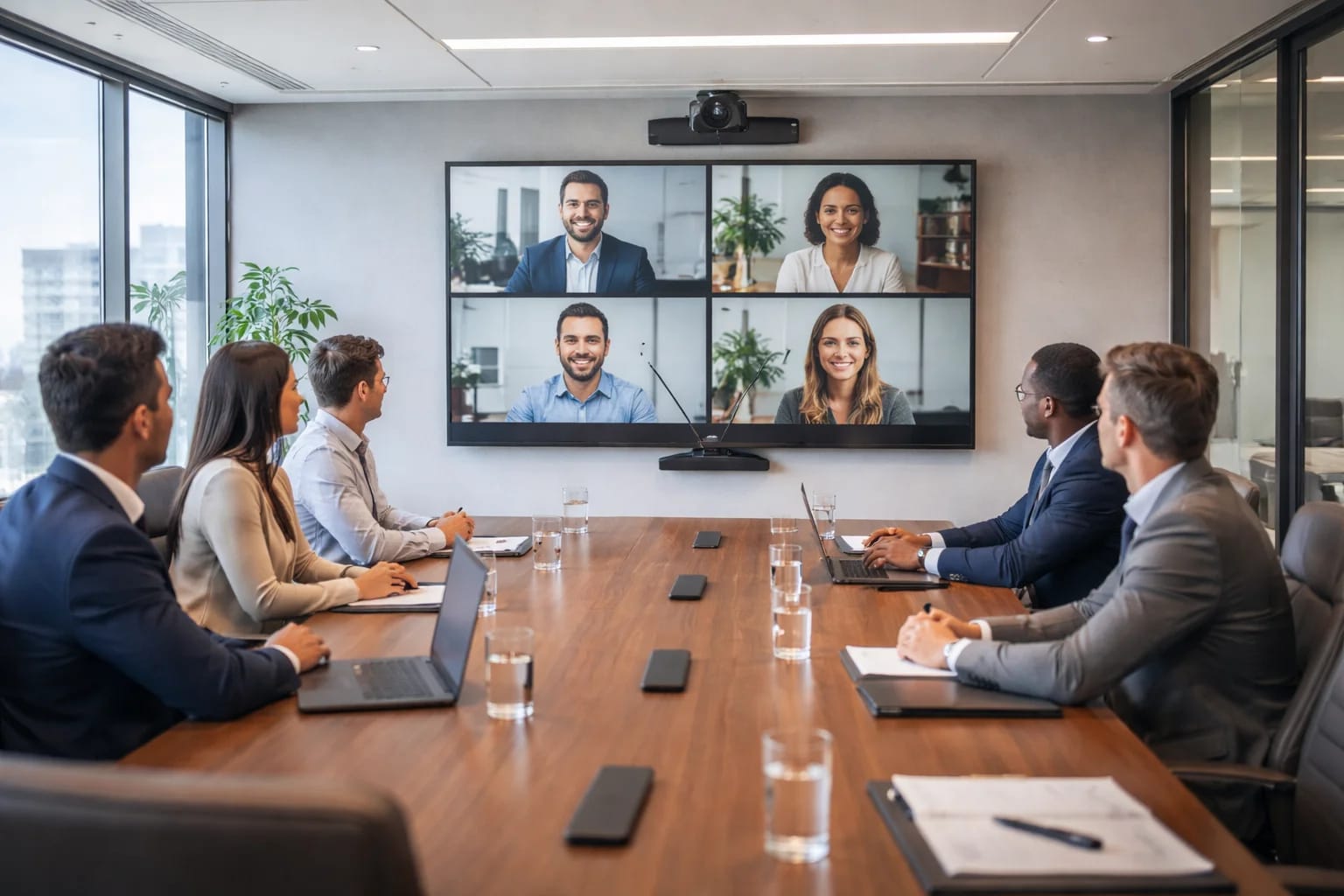

If you’ve ever wasted the first 10 minutes of a meeting fixing audio, reconnecting a display, or asking “Can you hear me now?”—you’re not alone. Most conference room and commercial AV problems aren’t caused by bad technology. They’re caused by poor design, consumer-grade equipment, and systems that were never meant to scale.
Introduction: Why Commercial AV So Often Fails
If you’ve ever wasted the first 10 minutes of a meeting fixing audio, reconnecting a display, or asking “Can you hear me now?”—you’re not alone.
Most conference room and commercial AV problems aren’t caused by bad technology. They’re caused by poor design, consumer-grade equipment, and systems that were never meant to scale.
Commercial spaces demand more. More reliability. More simplicity. More consistency. And when AV systems fail, productivity drops, confidence erodes, and meetings lose momentum fast.
That’s why professional commercial AV and conference room systems aren’t about flashy gear—they’re about systems that work every time.
What Makes Commercial AV Different From Residential or DIY AV
At first glance, a TV, a camera, and a soundbar might look like a “conference room.” In practice, that setup breaks down almost immediately.
Commercial AV systems are built differently because the demands are different.
Commercial AV requires:
Consistent performance, day after day
Support for multiple users and devices
Clean audio pickup across the entire room
Simple controls anyone can use
Infrastructure that supports future upgrades
Unlike residential or DIY setups, professional AV is designed around repeatability and reliability, not trial-and-error.
The Core Components of a Reliable Conference Room AV System
A well-designed conference room isn’t complicated—but every piece must work together.
Displays & Visual Systems
The right display depends on room size, lighting, and usage.
Large-format commercial displays for most rooms
Projectors only when scale or flexibility demands it
Proper mounting height and viewing angles
When visuals are clear and correctly placed, meetings stay focused.
Audio That Everyone Can Hear (and Be Heard On)
Audio is the #1 failure point in conference rooms.
Professional systems use:
Ceiling or table microphones for full-room pickup
Echo cancellation and noise control
Distributed speakers for even sound coverage
If audio fails, the meeting fails—especially for hybrid calls.
Cameras Designed for Real Meetings
A webcam pointed at a table doesn’t cut it.
Commercial conference rooms benefit from:
Wide-angle or auto-tracking cameras
Natural eye-line placement
Clear framing for in-room and remote participants
Good video makes hybrid meetings feel human again.
Simple, Intuitive Control Systems
The best AV system is the one people don’t think about.
Professional control systems allow:
One-touch meeting start
Consistent setup across rooms
Minimal training for staff
When systems are intuitive, adoption skyrockets.
Conference Rooms, Training Rooms, and Meeting Spaces Aren’t the Same
Not all commercial spaces use AV the same way—and design should reflect that.
Conference Rooms
Focused on discussion, collaboration, and hybrid meetings.
Balanced audio pickup
Camera visibility for all participants
Fast startup and simple controls
Training Rooms
Built for presentation, instruction, and engagement.
Clear sightlines for all seats
Strong voice amplification
Optional recording and streaming
Boardrooms & Executive Spaces
Designed for professionalism and confidence.
Clean aesthetics
Seamless operation
Premium audio and video quality
Designing each room for its purpose prevents overbuilding—or underperforming.
Hybrid Meetings Are Permanent—And AV Must Support Them
Hybrid meetings aren’t a trend. They’re the new baseline.
Professional hybrid AV systems are:
Platform-agnostic (Zoom, Teams, Google Meet)
Designed for equal participation
Built to avoid “remote side vs in-room side” dynamics
Without proper microphones, cameras, and room tuning, remote participants are instantly disadvantaged. A good AV system levels the playing field.
Why Commercial AV Systems Fail (and How to Avoid It)
Most failures trace back to a few common mistakes:
Consumer hardware used in commercial spaces
No structured cabling or signal planning
Poor microphone placement
No documentation or long-term support
The fix isn’t more equipment—it’s better design and professional installation.
The Role of Infrastructure: Cabling, Networking, and Power
AV performance depends on what’s behind the walls.
Professional commercial AV requires:
Structured low-voltage cabling
Proper network segmentation
Clean power and grounding
Room for future expansion
Skipping infrastructure is like building a house on sand—it might look fine at first.
Scalability and Standardization Across Multiple Rooms or Locations
Businesses grow. Systems should too.
Standardized AV design allows:
Consistent user experience
Faster onboarding and training
Easier support and troubleshooting
Predictable upgrade paths
This is especially valuable for schools, franchises, and multi-office organizations.
Why Professional AV Design Saves Money Long-Term
DIY and piecemeal installs feel cheaper—until they aren’t.
Professional AV reduces:
Downtime
IT distractions
Repeated replacements
User frustration
A system that works daily pays for itself quickly.
Choosing the Right Commercial AV Partner
The right AV partner doesn’t just install equipment—they design systems around how people actually work.
Look for a provider who:
Starts with room use, not product lists
Designs for reliability and simplicity
Documents systems clearly
Provides ongoing support
That’s how AV becomes an asset instead of a liability.
Final Thoughts: AV That Works Is Invisible
The best commercial AV systems don’t demand attention. They quietly support communication, collaboration, and productivity.
When conference rooms work:
Meetings start on time
Teams stay engaged
Businesses look professional
And that’s exactly how it should be.
Need Expert Help?
Ready to implement these solutions in your own home or business?
Our Services
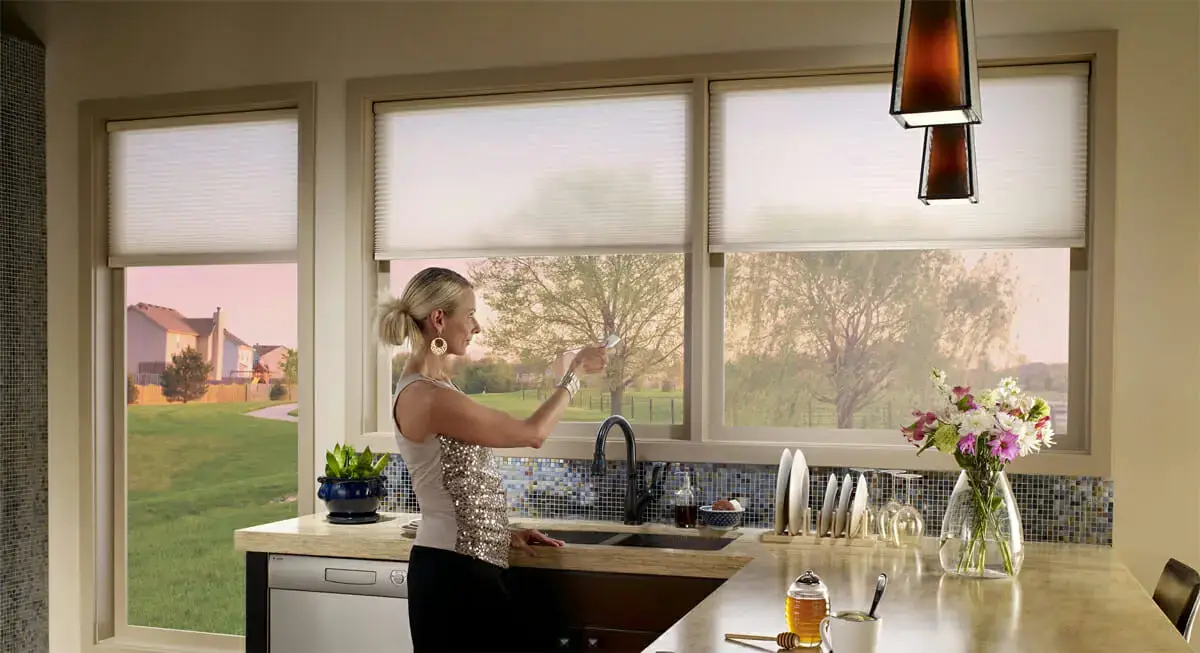
Motorized shades for convenience and energy efficiency.

Complete home automation and control.
Intelligent lighting control and automation.

Professional conference and training room AV systems with video conferencing integration.
Serving the Treasure Valley
Local installation in your city