 (208) 991-3502
 Meridian, ID




If brand-new AV still isn’t working, the problem usually isn’t the gear—it’s the design behind it. This post walks through the most common commercial AV mistakes, from using consumer hardware to ignoring audio, infrastructure, and hybrid needs. It also explains why complexity, poor planning, and lack of support turn small issues into constant disruptions. The takeaway is simple: professional AV should quietly support work, not interrupt it.
Introduction: When “New” AV Still Doesn’t Work
One of the most frustrating calls we hear sounds like this:
“We just installed this system—and it still doesn’t work right.”
The truth is, most commercial AV system failures don’t happen because the equipment is broken. They happen because the system was never designed correctly in the first place.
And once an AV system is built wrong, fixing it later is almost always more expensive.
Mistake #1: Using Consumer AV Gear in Commercial Spaces
This is the most common failure point.
Consumer TVs, soundbars, webcams, and wireless gadgets are designed for:
One user
Short sessions
Controlled environments
Commercial spaces demand:
All-day reliability
Multiple users
Consistent performance
Long service life
Consumer gear often works at first—until it doesn’t.
Mistake #2: Skipping the Design Phase Entirely
Many AV systems are built backward:
Buy equipment
Mount it
Hope it works
Professional AV design starts with:
Room size and layout
How people actually use the space
Sightlines and acoustics
Network and power requirements
Without design, even premium equipment underperforms.
Mistake #3: Poor Audio Planning (The Silent Killer)
Audio problems are responsible for more AV complaints than anything else.
Common audio failures include:
Microphones that only pick up front-row voices
Echo and feedback during calls
Remote participants missing half the conversation
If audio isn’t designed for the room, meetings fall apart fast.
Mistake #4: No Thought Given to Hybrid Use
Many AV systems were installed before hybrid meetings became standard.
As a result:
Cameras are in the wrong place
Microphones don’t capture the whole room
Remote attendees feel like outsiders
Retrofitting hybrid support later is possible—but expensive.
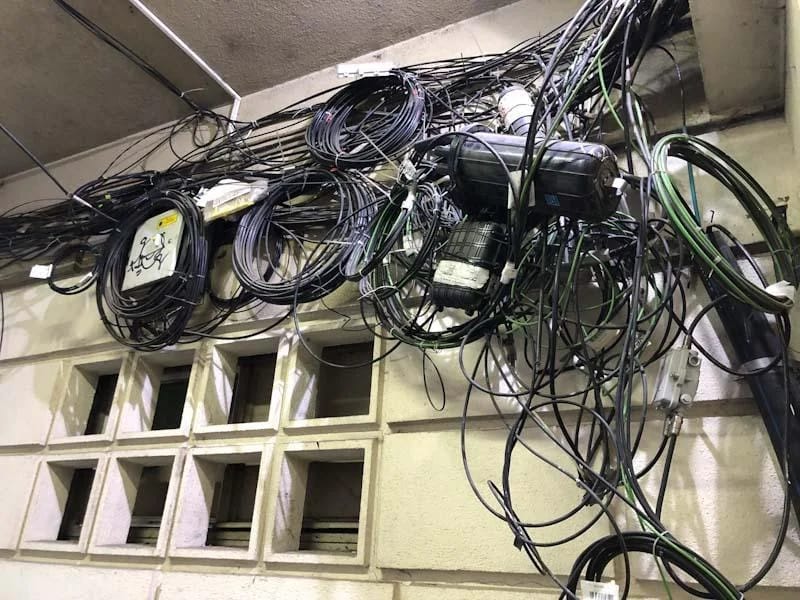
Mistake #5: Ignoring Infrastructure Behind the Wall
AV performance depends on what you don’t see.
System failures often trace back to:
Poor-quality cabling
Overloaded or unstable networks
Improper grounding
No ventilation for equipment
Skipping infrastructure saves money upfront—and costs more later.
Mistake #6: Overly Complex Control Systems
If users need training manuals taped to the wall, the system has already failed.
Complexity leads to:
User frustration
Workarounds
IT support overload
Abandoned features
The best AV systems are powerful and simple.
Mistake #7: No Documentation or Support Plan
When the installer leaves and no one knows:
What equipment was installed
How it’s connected
How to troubleshoot it
Every small issue becomes a big problem.
Professional AV systems include documentation and long-term support options.
The Hidden Cost of AV Failures
AV issues don’t just cost money—they cost:
Time
Productivity
Credibility
Morale
Meetings start late. Training sessions lose momentum. Clients notice.
How to Avoid These Mistakes From the Start
Reliable commercial AV systems share a few traits:
Designed before anything is installed
Built with commercial-grade hardware
Supported by solid infrastructure
Easy for real people to use
Backed by documentation and support
That’s not overkill—that’s professionalism.
Final Thoughts: AV Should Support Work, Not Interrupt It
The best commercial AV systems fade into the background.
When they’re designed correctly:
Meetings run smoothly
Training stays engaging
Hybrid teams feel connected
And when they fail, it’s almost never random—it’s predictable.
Need Expert Help?
Ready to implement these solutions in your own home or business?
Our Services
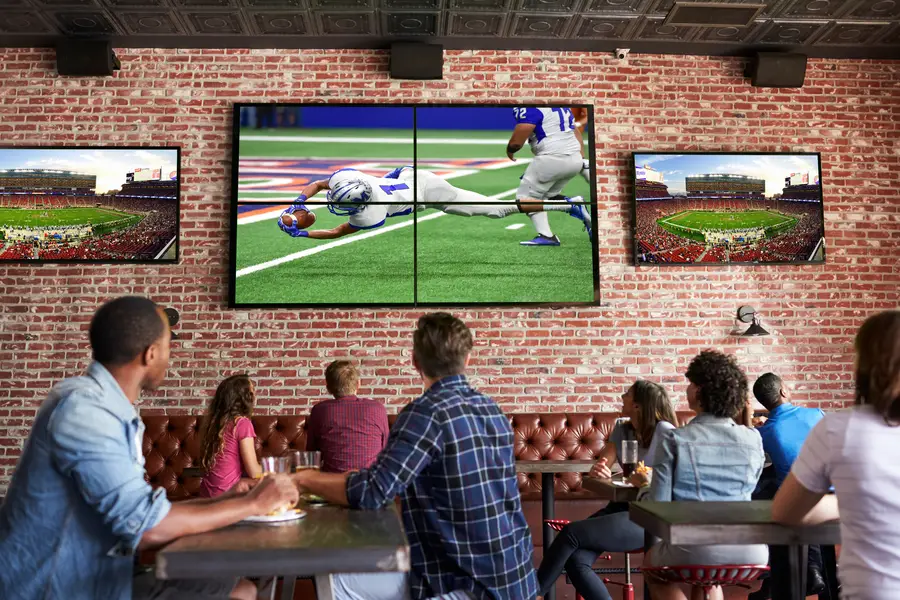
Expert TV Mounting Treasure Valley Homeowners & Businesses Trust

Cinematic experiences in the comfort of your home.
Whole-home audio and high-fidelity sound systems.

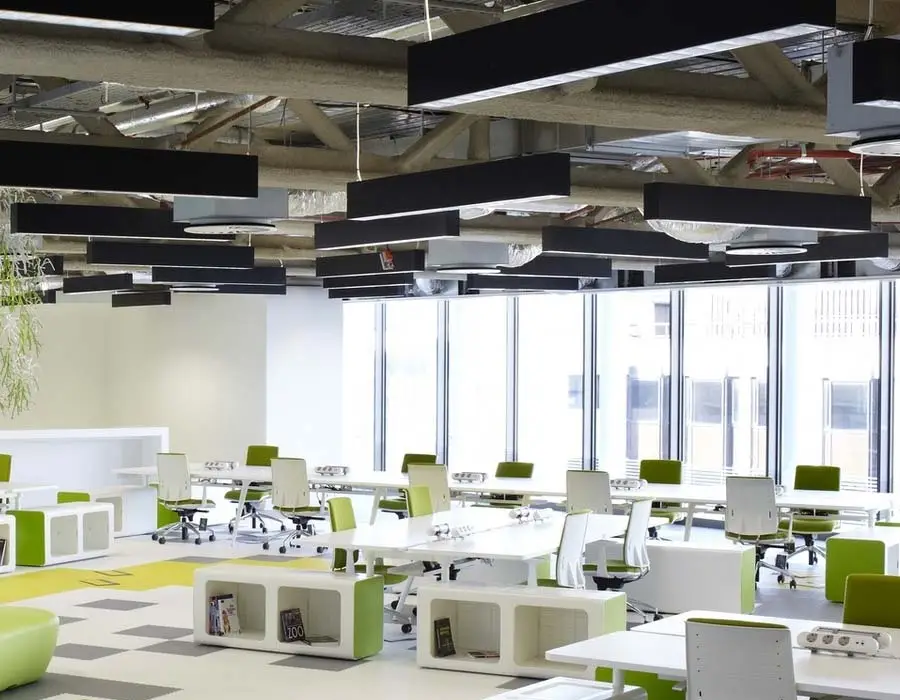
Professional conference and training room AV systems with video conferencing integration.
Serving the Treasure Valley
Local installation in your city