 (208) 991-3502
 Meridian, ID



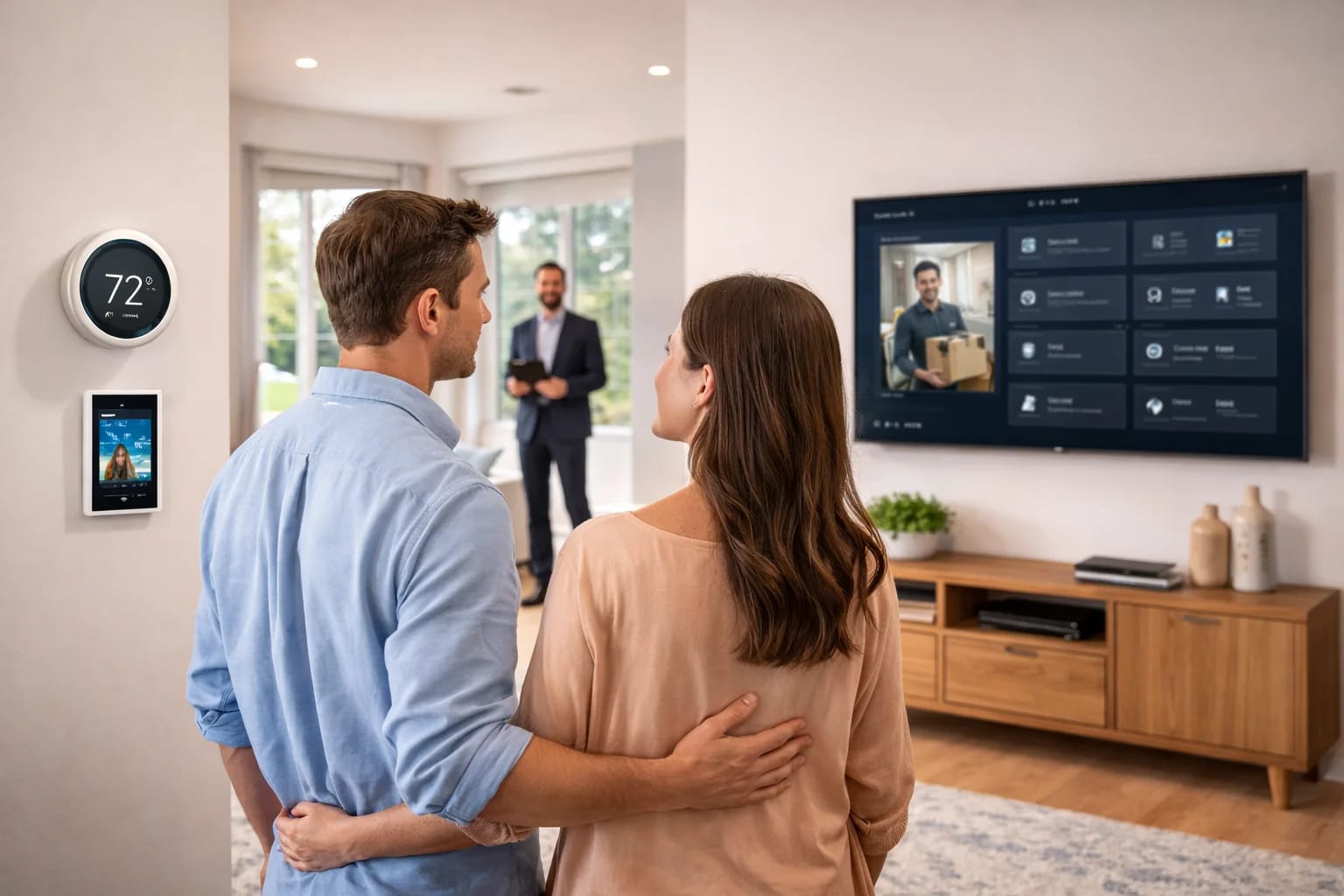

Today’s homebuyers expect new construction homes to be technology-ready. Learn what buyers look for—and how smart infrastructure meets those expectations.
Introduction: Technology Is Part of the Floor Plan Now
Today’s homebuyers don’t tour a house asking, “Is this a smart home?”
They assume it should be.
They expect strong Wi-Fi everywhere, clean TV installs, reliable security options, and the ability to add smart features without tearing into walls later. When those expectations aren’t met, disappointment sets in fast—and it reflects on the build, not the buyer’s tech choices.
In new construction, technology readiness is no longer a bonus feature. It’s part of what defines a well-built, future-ready home.
In this post, we’ll break down exactly what modern homebuyers expect from technology in new construction—and how builders can meet those expectations without overcomplicating the build.
The Modern Homebuyer Has Changed
Today’s buyers are:
Streaming constantly
Working from home
Using multiple smart devices
Expecting instant connectivity
Thinking long-term about adaptability
Even buyers who claim they “aren’t tech people” still rely on technology every single day. Their expectations are shaped by how seamlessly tech works in their phones, cars, and workplaces.
They want their home to keep up.
Expectation #1: Reliable, Whole-Home Wi-Fi
This is the single biggest expectation—and the most common failure point.
Homebuyers expect:
Strong Wi-Fi in every room
No dead zones
Stable connections for streaming and work
Seamless roaming throughout the house
They don’t care how it works. They care that it just works.
Homes built without proper wiring, access point locations, or centralized networking struggle almost immediately—especially as device counts grow.
Expectation #2: Smart-Ready Infrastructure (Not Gadgets)
Most buyers don’t want builders choosing their smart devices.
They do want:
Ethernet where it matters
Structured low-voltage wiring
Space for networking equipment
Power in the right locations
Conduit for future upgrades
They want flexibility—without regret.
Infrastructure gives buyers freedom to choose systems later while still enjoying strong performance on day one.
Expectation #3: Clean, Thoughtful TV & Media Locations
Nothing frustrates buyers faster than realizing:
TVs can’t be mounted cleanly
Power and wiring aren’t aligned
Equipment has nowhere to live
Homebuyers expect:
Pre-planned TV locations
Hidden wiring paths
Ethernet at media points
Logical equipment placement
Clean installs signal quality craftsmanship—even to non-technical buyers.
Expectation #4: Technology That Doesn’t Feel Complicated
Buyers want smart homes—not smart homework.
They expect:
Familiar wall switches
Simple controls
Predictable behavior
Minimal apps
Overly complex systems create frustration, support calls, and regret. Thoughtful planning reduces friction and improves satisfaction.
Expectation #5: Security & Safety Readiness
Buyers increasingly expect homes to support:
Smart doorbells
Cameras
Alarm systems
Access control
They don’t expect everything installed—but they expect the home to be ready.
Pre-wire locations, power planning, and proper mounting options make these upgrades easy and clean later.
Expectation #6: Work-From-Home Support (By Default)
Dedicated offices aren’t optional anymore.
Buyers expect:
Hardwired internet options
Strong Wi-Fi in offices
Reliable video calls
Room for future equipment
Homes that treat offices as afterthoughts feel outdated quickly.
Expectation #7: Future-Proofing Without Guesswork
Homebuyers don’t want to predict the future—they want flexibility.
They expect:
Extra wiring where it matters
Upgrade paths without drywall damage
Systems that scale with life changes
Conduit, extra Ethernet, and centralized infrastructure all communicate foresight and quality.
Why These Expectations Matter to Builders
When expectations aren’t met, builders see:
Callbacks
Warranty issues
Negative reviews
Buyer frustration post-close
When expectations are met:
Homes show better
Buyers feel confident
Fewer tech-related complaints
Stronger referrals
Technology readiness directly impacts builder reputation.
Infrastructure vs Features: What Buyers Actually Value
Buyers value:
Performance
Reliability
Flexibility
Clean design
They don’t need:
Brand-specific systems
Trend-based gadgets
Over-automation
Builders who focus on infrastructure deliver value without risk.
How Smart Infrastructure Helps Homes Age Better
Homes with proper infrastructure:
Adapt to new technology
Support aging-in-place solutions
Handle increased device loads
Remain competitive longer
That’s good for buyers—and for builder brand longevity.
Common Disconnects Between Builders and Buyers
Builders sometimes assume:
Buyers will handle tech later
Wi-Fi solves everything
Minimal wiring is sufficient
Buyers assume:
The home is ready
Upgrades will be easy
Technology was considered
Infrastructure aligns those assumptions—and prevents disappointment.
The Role of a Technology Integration Partner
Builders don’t need to become tech experts.
A qualified integration partner:
Coordinates with trades
Plans infrastructure early
Reduces late-stage changes
Improves final results
Early collaboration keeps projects efficient and predictable.
Final Thoughts: Buyers Expect Homes to Be Ready
Technology is no longer optional—it’s foundational.
Homebuyers expect new construction homes to:
Support modern living
Perform reliably
Adapt over time
Feel thoughtfully designed
Builders who meet these expectations don’t just build homes—they build trust.
Need Expert Help?
Ready to implement these solutions in your own home or business?
Our Services

Complete home automation and control.

Intelligent lighting control and automation.
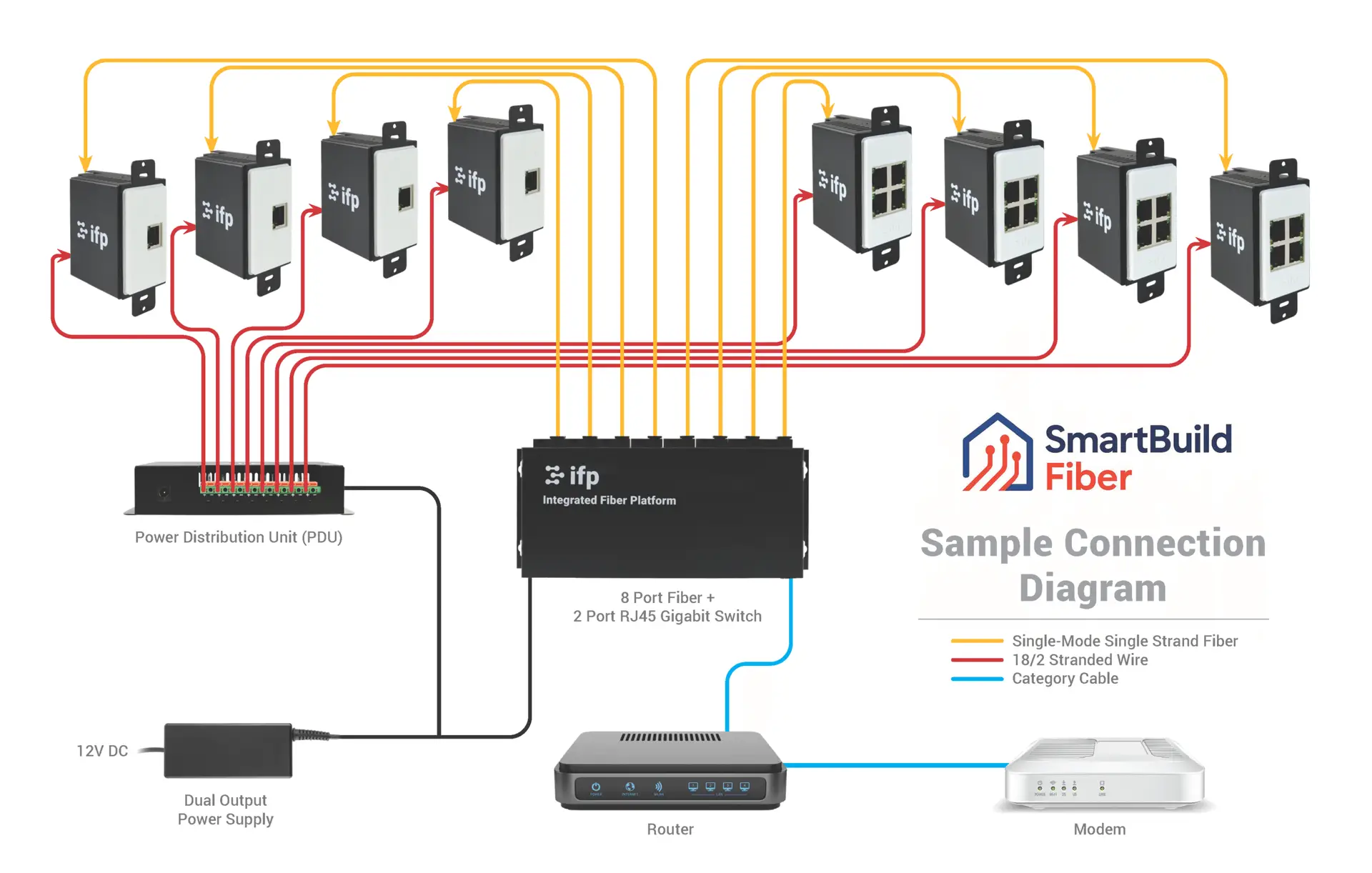
Future-proof fiber optic infrastructure.

Home theater design and installation planned around your room, viewing goals, and equipment scope.
Serving the Treasure Valley
Local installation in your city