 (208) 991-3502
 Meridian, ID



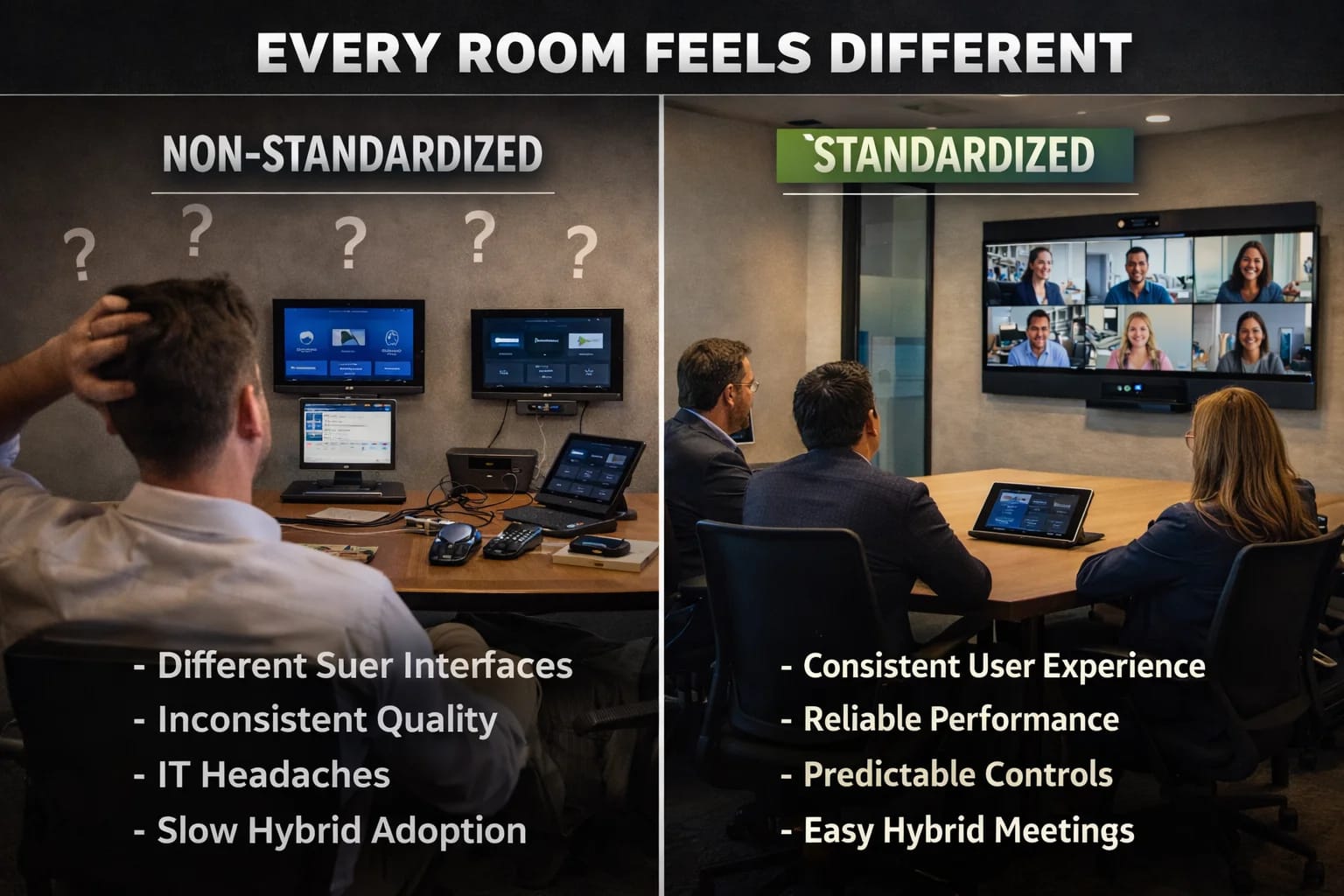

When every conference room works differently, productivity takes a hit and frustration stacks up fast. This post explains how standardizing conference room AV creates consistent user experiences, reduces IT headaches, and makes hybrid meetings far easier to support. Standardization isn’t about identical rooms—it’s about predictable performance and simple controls everywhere. Done right, it becomes a quiet competitive advantage that supports growth instead of slowing it down.
Plan the right scope
Choose a conference-room project path
Introduction: When Every Conference Room Feels Different
If you’ve ever walked into a meeting room and thought:
“This one works differently than the last one”
“Why does every room have different controls?”
“Why does IT hate supporting these spaces?”
You’re feeling the cost of non-standardized conference rooms.
As organizations grow, AV systems often grow messy. Different vendors. Different equipment. Different layouts. Different user experiences.
Standardization fixes that.
What Conference Room Standardization Actually Means
Standardization doesn’t mean every room is identical.
It means:
Consistent user experience
Predictable controls
Reliable performance
Repeatable design logic
A small huddle room and a large boardroom won’t use the same equipment—but they should behave the same way for users.
Why Organizations Avoid Standardization (At First)
Most organizations don’t avoid standardization intentionally.
It usually happens because:
Rooms were added over time
Different teams made different decisions
Vendors changed
DIY solutions filled gaps
The result is AV sprawl—and growing frustration.
The Biggest Benefits of Standardized Conference Rooms
1️⃣ Faster Adoption and Less Training
When every room works the same way:
Employees don’t need retraining
Meetings start faster
Confidence increases
People stop worrying about the tech and focus on the meeting.
2️⃣ Fewer Support Calls and IT Headaches
Standardized AV systems mean:
Known equipment
Known signal paths
Known fixes
IT teams troubleshoot once—not over and over again.
3️⃣ Consistent Experience for Clients and Partners
When external guests join meetings:
The room feels professional
Audio and video work reliably
Your brand looks polished
Consistency builds trust—even subconsciously.
4️⃣ Easier Scaling as You Grow
Opening new offices or adding rooms becomes simpler when:
Designs are repeatable
Equipment lists are standardized
Installation is predictable
Growth stops feeling chaotic.
How Standardization Supports Hybrid Work
Hybrid meetings amplify inconsistency.
When rooms vary:
Remote teams struggle to adjust
Meeting quality changes day to day
Collaboration suffers
Standardized hybrid AV systems ensure:
Equal experience across locations
Familiar controls everywhere
Reliable audio and video every time
That’s critical for distributed teams.
The Role of Infrastructure in Standardization
Standardization only works when infrastructure supports it.
That includes:
Structured low-voltage cabling
Consistent network design
Proper equipment placement
Documented signal paths
Without this foundation, even standardized equipment behaves unpredictably.
Standardization Doesn’t Mean Overbuilding
One common fear is overspending.
Professional AV standardization focuses on:
Right-sized solutions
Clear room categories (huddle, conference, boardroom, training)
Equipment tiers based on usage
You don’t overspend—you spend intentionally.
Documentation: The Unsung Hero of Standardized AV
Standardized systems shine when paired with documentation.
This includes:
As-built diagrams
Equipment lists
Configuration notes
Support procedures
Documentation protects your investment long after installation.
When to Standardize (and When It’s Too Late to Ignore)
Standardization becomes urgent when:
You have 3+ conference rooms
You support hybrid meetings regularly
IT is constantly troubleshooting AV
New offices are planned
The earlier it’s done, the less it costs.
Final Thoughts: Consistency Is a Competitive Advantage
Standardized conference rooms:
Reduce friction
Improve productivity
Lower long-term costs
Support growth
Most importantly, they create environments where people trust the technology—because it just works.
That’s not luxury. That’s smart planning.
Need Expert Help?
Ready to implement these solutions in your own home or business?
Our Services
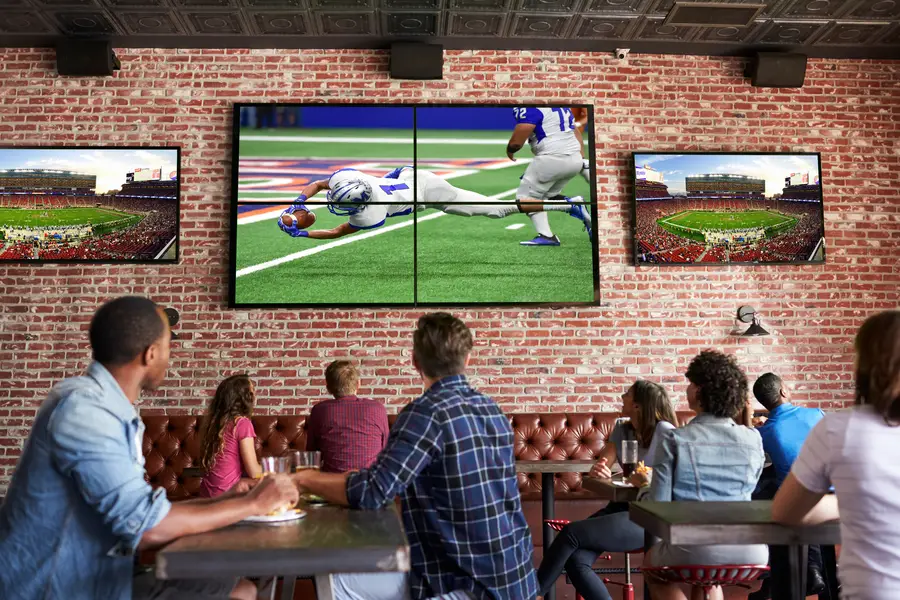
Expert TV Mounting Treasure Valley Homeowners & Businesses Trust

Home theater design and installation planned around your room, viewing goals, and equipment scope.
Explore whole-home audio, commercial sound, Sonos setup, and surround sound installation in the Treasure Valley.
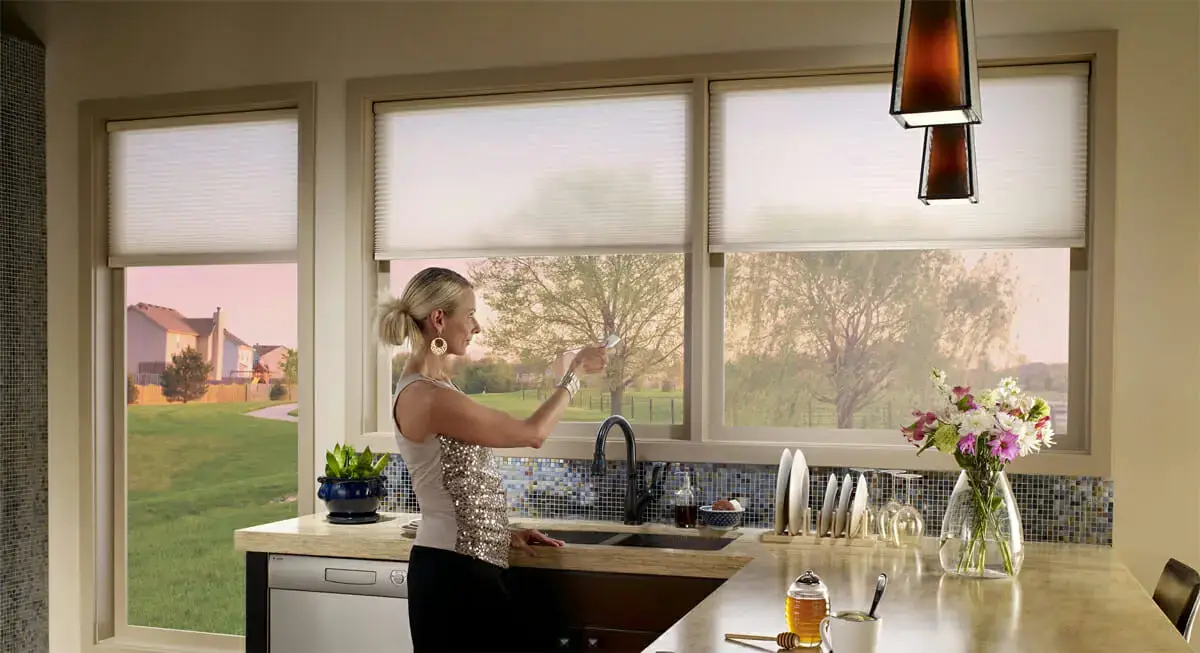
Motorized shades for convenience and energy efficiency.
Serving the Treasure Valley
Local installation in your city