 (208) 991-3502
 Meridian, ID



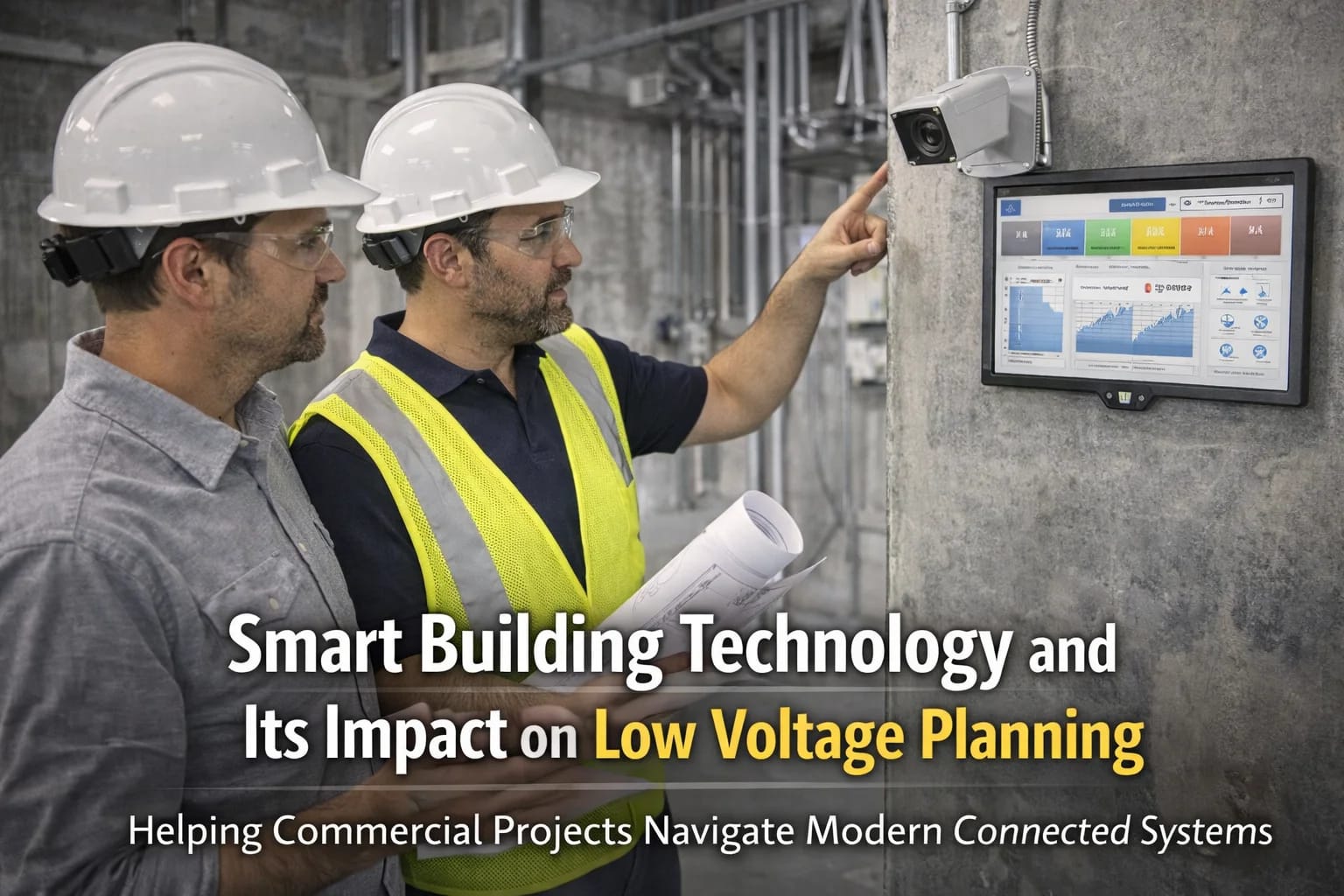

Smart building technology is changing how commercial spaces are designed and operated. This article explains how connected systems affect low-voltage planning and why early coordination is critical for long-term performance. Written for general contractors and electricians navigating modern commercial projects.
Smart Buildings Are No Longer a Niche
Smart building technology is no longer limited to high-end projects or tech campuses.
Offices, restaurants, retail spaces, and mixed-use buildings now rely on connected systems to improve efficiency, security, and user experience. Lighting controls, access systems, cameras, sensors, and energy management platforms are becoming standard.
All of these systems depend on low-voltage infrastructure.
When low voltage is not planned with smart technology in mind, systems may still work—but they rarely work well together.
What Makes a Building “Smart”
A smart building is not defined by one system. It is defined by how systems communicate.
Common smart building components include networked lighting, access control, surveillance, HVAC controls, occupancy sensors, and centralized management platforms. These systems share data and often rely on the same network.
This level of integration changes how low voltage must be designed.
Why Smart Technology Increases Low Voltage Complexity
Traditional low-voltage systems could often be planned in isolation.
Smart systems cannot.
Devices may require higher network bandwidth, Power over Ethernet, reliable wireless coverage, and constant uptime. Systems must also be secure and serviceable.
This increases the importance of proper pathways, rack space, network design, and documentation.
Without early planning, smart systems quickly outgrow the infrastructure meant to support them.
Power over Ethernet Changes the Rules
One of the biggest shifts in smart buildings is the rise of PoE-powered devices.
Cameras, access control hardware, sensors, and even lighting can now be powered and controlled through network cabling. This reduces the need for traditional power outlets but increases demand on network infrastructure.
Planning must account for switch capacity, heat, redundancy, and future expansion.
PoE simplifies installation—but only when designed correctly.
Smart Buildings Depend on Reliable Networks
In a smart building, the network is no longer just for computers.
If the network goes down, lighting, access control, cameras, and automation may stop working. That makes network reliability critical.
Low-voltage planning must include redundancy, proper cable selection, and clear separation of systems where needed.
Good design protects operations. Poor design creates single points of failure.
Why Early Coordination Matters Even More
Smart building technology increases coordination needs between trades.
Device locations affect ceiling layouts. Network rooms require power and cooling. Sensors and controllers must be placed where they make sense operationally.
Bringing low voltage into design conversations early helps avoid conflicts and ensures smart systems actually deliver value.
How GCs Benefit from Smart-Aware Low Voltage Planning
For general contractors, smart building awareness reduces late changes and coordination issues.
Projects that plan for smart technology early move faster at the end. Systems are tested sooner. Turnover is smoother.
Smart planning protects schedules and client expectations.
Electricians and Low Voltage Teams Share the Load
Smart buildings blur the line between power and data.
Electricians and low-voltage teams must coordinate more closely than ever. Clear scope definition and early planning prevent overlap and rework.
When teams work together, smart systems integrate cleanly.
Final Takeaway
Smart building technology raises the bar for low-voltage planning.
Buildings are no longer just powered—they are connected. Low-voltage infrastructure must support that reality.
For commercial projects, smart-aware planning is not optional. It is the foundation for performance, reliability, and future growth.
Need Expert Help?
Ready to implement these solutions in your own home or business?
Our Services

Explore whole-home audio, commercial sound, Sonos setup, and surround sound installation in the Treasure Valley.

Home theater design and installation planned around your room, viewing goals, and equipment scope.
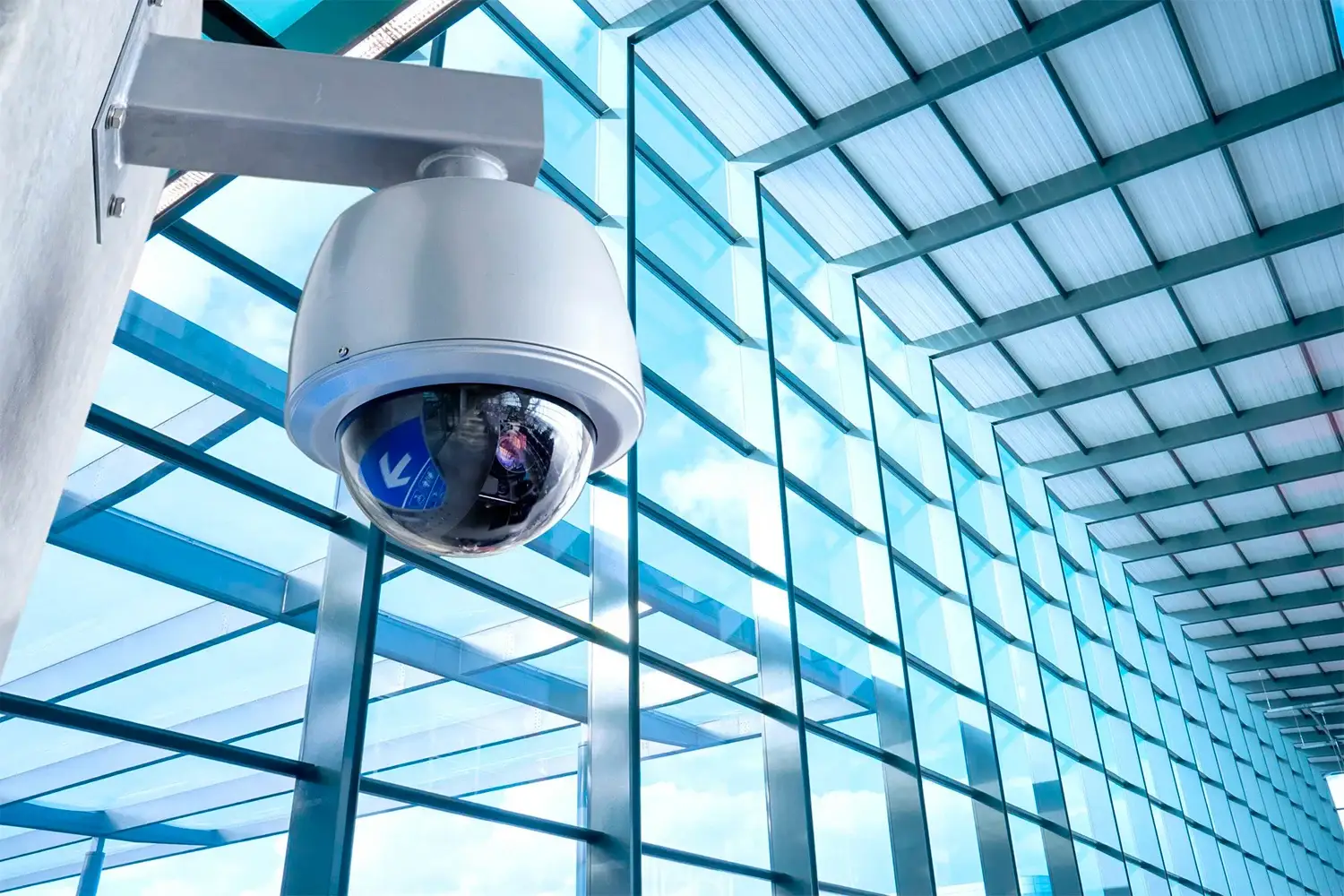
High-definition surveillance for peace of mind.
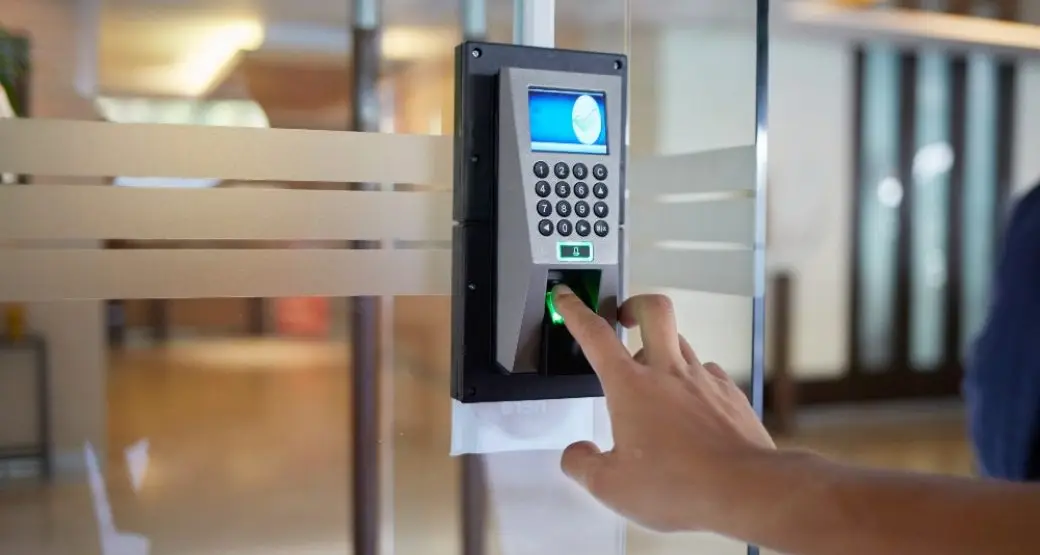
Comprehensive security solutions for home and business.
Serving the Treasure Valley
Local installation in your city