 (208) 991-3502
 Meridian, ID



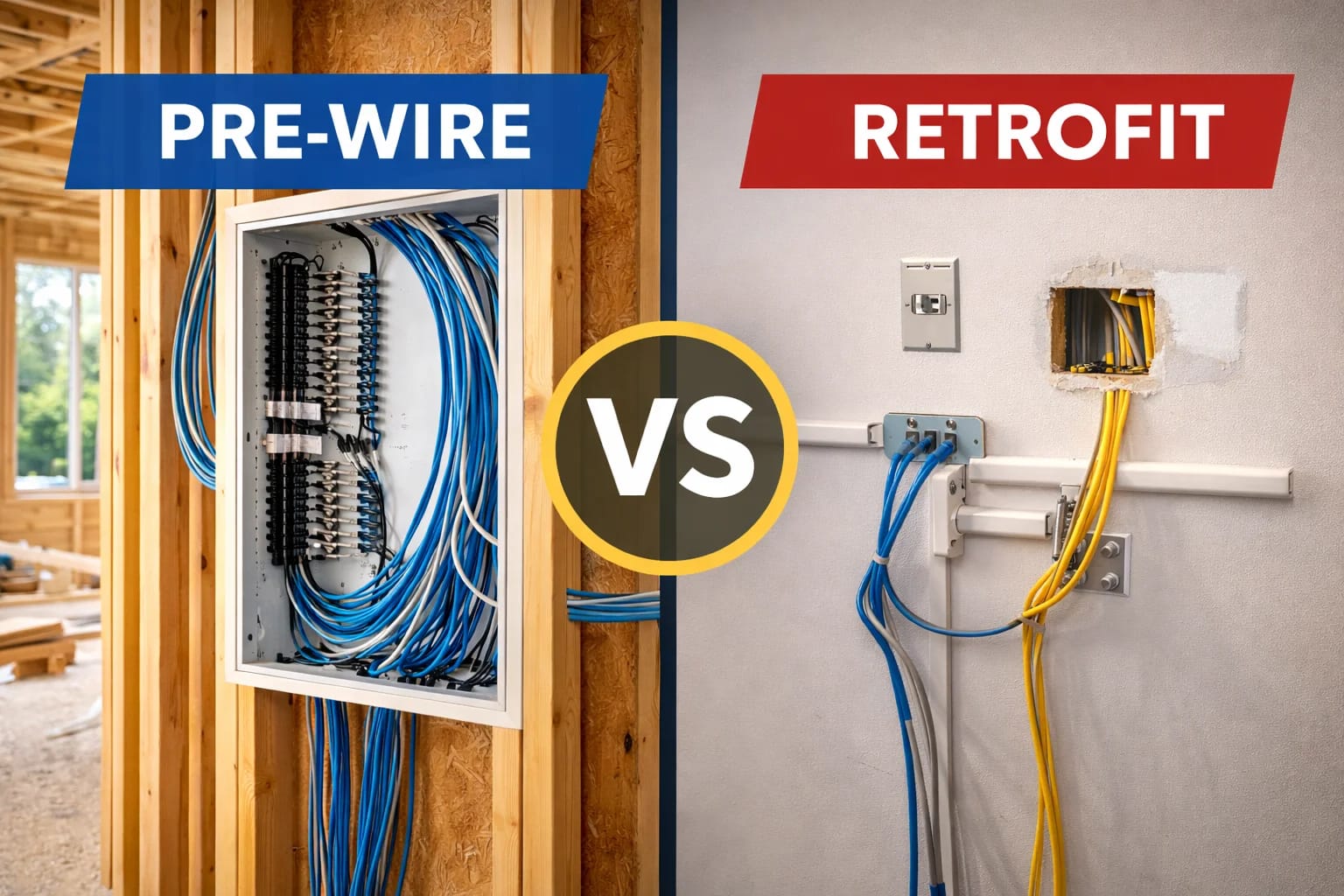

Pre-wire is now the standard for modern construction. Learn why retrofit falls short—and why builders need a technology partner from day one.
Introduction: This Decision Defines the Quality of the Build
Every builder makes hundreds of decisions on a project.
Most are invisible once the home is finished.
But one decision continues to surface after the buyer moves in:
Was the home properly pre-wired—or was technology left for later?
In today’s market, that choice directly impacts buyer satisfaction, callbacks, and how well a home performs over time. Pre-wire is no longer a luxury upgrade. It’s an expectation—and retrofitting later is one of the fastest ways to create frustration for both homeowners and builders.
This article breaks down the real differences between pre-wire and retrofit, the hidden costs of waiting, and why partnering with a technology integrator is now essential for modern construction.
What “Pre-Wire” Really Means in New Construction
Pre-wiring is the process of installing low-voltage infrastructure during construction, before drywall and finishes are complete.
It typically includes:
Ethernet (Cat6/Cat6A) cabling
Speaker wire
Security and camera wiring
Control wiring
Structured wiring panels
Conduit for future upgrades
Pre-wire prepares the home to support modern technology without committing buyers to specific brands or devices.
What Retrofit Means—and Why It’s So Different
Retrofit is anything added after the home is finished.
That usually involves:
Fishing wires through walls
Cutting and patching drywall
Surface-mounted raceways
Limited device placement
Higher labor costs
Even when done well, retrofit is always a compromise compared to pre-wire.
The Cost Comparison: Pre-Wire vs. Retrofit
Pre-Wire Costs
Installed when walls are open
Faster labor
Minimal disruption
Clean, hidden infrastructure
Predictable pricing
Retrofit Costs
Slower labor
Drywall repair and paint
Limited routing options
Visual compromises
Higher homeowner frustration
What costs pennies on the dollar during construction can become thousands later.
Why Pre-Wire Is Expected by Today’s Homebuyers
Homebuyers no longer view technology as optional.
They expect:
Strong Wi-Fi everywhere
Clean TV and media installs
Security and camera readiness
Work-from-home support
Future upgrade flexibility
When buyers discover these things weren’t planned, they don’t blame technology—they blame the build.
Pre-Wire Protects Builders from Callbacks
Many post-close complaints stem from:
Wi-Fi dead zones
TVs that can’t be mounted cleanly
No place for networking equipment
Smart devices that perform poorly
These issues:
Trigger warranty calls
Create negative reviews
Consume staff time
Pre-wire eliminates most of them before they exist.
Why “Wi-Fi Only” Homes Age Poorly
Relying solely on Wi-Fi is one of the most common mistakes in modern construction.
As homes add:
More devices
Streaming services
Remote work demands
Security systems
Wireless-only designs struggle quickly.
Pre-wire provides the wired backbone that keeps Wi-Fi strong, stable, and scalable.
The Visual Difference Buyers Notice Immediately
Pre-wired homes allow for:
Hidden TV wiring
Clean wall finishes
Organized equipment locations
No surface-mounted cables
Retrofits often result in:
Visible conduits
Awkward device placement
Compromised aesthetics
Even non-technical buyers can tell the difference instantly.
Pre-Wire Is About Infrastructure—Not Gadgets
One concern builders have is being locked into specific technology.
Good pre-wire planning avoids that entirely.
It focuses on:
Cabling
Pathways
Power locations
Centralization
This keeps the home flexible, brand-agnostic, and future-ready.
Where Builders Go Wrong with Pre-Wire
Common mistakes include:
Running too few Ethernet lines
Skipping conduit to “save money”
No centralized low-voltage location
Treating technology as a homeowner issue
No coordination with trades
Each mistake creates limitations that are expensive to undo later.
Why Retrofit Is a Poor Buyer Experience
From the homeowner’s perspective, retrofit means:
Living in a construction zone
Patchwork repairs
Limited upgrade options
Extra costs they didn’t expect
That frustration often reflects back on the builder—even if the work happens post-close.
Pre-Wire Supports Aging in Place and Long-Term Value
Proper infrastructure allows homes to adapt over time, supporting:
Smart monitoring systems
Simplified controls
Security upgrades
Caregiver access
This increases long-term livability and resale appeal.
The Role of a Technology Partner in Pre-Wire
Builders don’t need to become technology experts.
A professional technology integrator:
Designs pre-wire plans
Coordinates with framing and electrical
Prevents trade conflicts
Documents infrastructure
Supports homeowners after close
This removes guesswork and liability from the builder.
Why Builders Shouldn’t Leave Pre-Wire Decisions to Buyers
Buyers often:
Don’t know what to ask for
Underestimate future needs
Make decisions too late
When infrastructure is optional, regret is common.
When it’s standard, satisfaction is higher.
Pre-Wire Is the New Baseline—Not an Upgrade
In today’s market:
Pre-wire is expected
Retrofit is viewed as a compromise
Technology readiness reflects build quality
Homes without proper infrastructure feel outdated faster—and that affects brand perception.
The Smart Builder Takeaway
Pre-wire:
Saves money
Reduces callbacks
Improves buyer satisfaction
Protects long-term value
Retrofit:
Costs more
Limits options
Creates frustration
Reflects poorly on the build
The difference isn’t subtle—and buyers know it.
Final Thoughts: Build It Right the First Time
Pre-wire is no longer a “nice-to-have.”
It’s the foundation of a modern home.
Builders who:
Treat pre-wire as standard
Partner with a technology integrator
Plan infrastructure early
Deliver homes that perform better, age gracefully, and meet buyer expectations without regret.
In today’s construction environment, pre-wire isn’t optional—and neither is a technology partner.
Published builder resources
More from the field
Need Expert Help?
Ready to implement these solutions in your own home or business?
Our Services

Complete home automation and control.

Intelligent lighting control and automation.
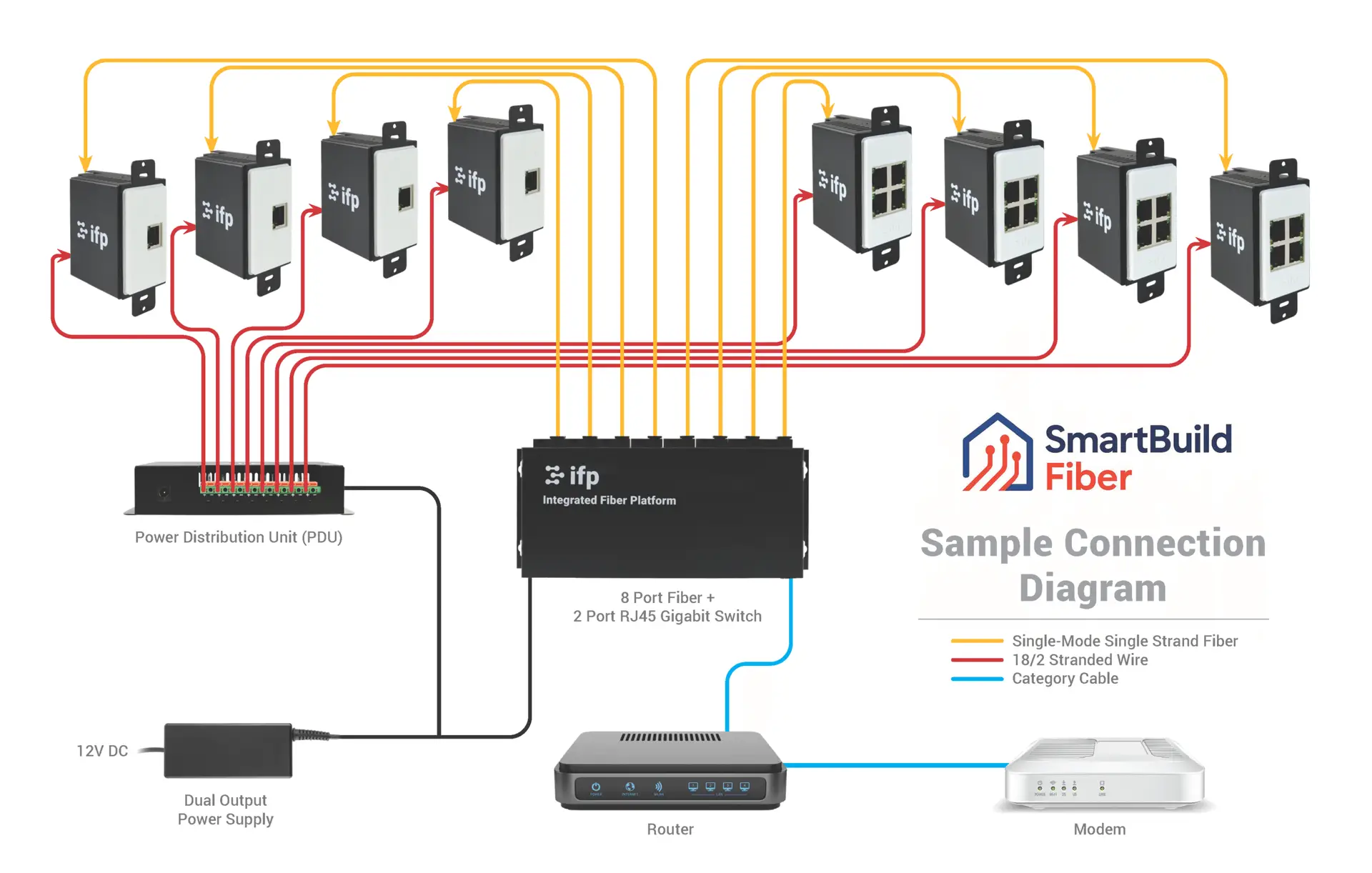
Future-proof fiber optic infrastructure.

Home theater design and installation planned around your room, viewing goals, and equipment scope.
Serving the Treasure Valley
Local installation in your city