 (208) 991-3502
 Meridian, ID





Healthcare and assisted living facilities rely on low-voltage systems to support safety, communication, and daily operations. This article explains how low-voltage wiring supports clinical spaces, resident areas, and staff workflows—and why reliability and planning matter more than ever. Written for general contractors and electricians working on healthcare-related projects.
Why Low Voltage Is Critical in Healthcare Environments
In healthcare and assisted living facilities, technology supports more than convenience. It supports safety, communication, and care delivery.
Nurse call systems, monitoring devices, access control, cameras, and networks all depend on low-voltage infrastructure. When these systems fail, the impact is immediate.
That’s why low-voltage planning in healthcare environments must prioritize reliability and uptime.
Communication Systems Support Daily Care
Healthcare staff rely on constant communication.
Nurse call systems, intercoms, paging, and staff communication tools all depend on low-voltage wiring. These systems must remain operational at all times and be easy to service when issues arise.
Poor cabling or unclear pathways create delays that healthcare teams cannot afford.
Monitoring and Safety Systems Require Reliability
Cameras, access control, and monitoring systems help protect patients, residents, staff, and visitors.
In assisted living environments, monitoring may also support wellness checks and resident safety. These systems often rely on PoE and centralized network equipment.
Low-voltage infrastructure must be designed to support continuous operation and future expansion.
Network Infrastructure Is the Backbone
Healthcare facilities rely heavily on network connectivity.
Electronic records, monitoring systems, communication tools, and administrative operations all depend on reliable networks. Downtime disrupts care and operations.
Low-voltage planning must account for redundancy, capacity, and secure routing.
Patient and Resident Areas Require Careful Planning
Low-voltage systems extend into patient rooms, resident units, and shared spaces.
Cabling must be routed cleanly and safely. Devices must be placed where they are accessible without being intrusive. Future upgrades must be possible without major disruption.
Planning these details early improves long-term usability.
Assisted Living Facilities Must Balance Technology and Simplicity
Assisted living environments often serve residents who benefit from simple, familiar technology.
Low-voltage systems must support safety and communication without adding complexity. Clear design and thoughtful device placement help staff and residents alike.
Infrastructure should support current needs while remaining flexible for future care models.
Why Scalability Matters in Healthcare Projects
Healthcare facilities evolve over time.
Services expand. Technology changes. Care models adapt. Low-voltage systems must be able to grow without constant reconstruction.
Scalable design protects long-term investment and reduces disruption.
Coordination Is Essential in Active Facilities
Many healthcare projects occur in occupied buildings.
Low-voltage work must be coordinated carefully to avoid disrupting care. Clear pathways, staged installations, and thorough documentation help teams work efficiently.
Good planning minimizes impact on daily operations.
The GC’s Role in Healthcare Low Voltage Success
General contractors play a critical role by ensuring low voltage is addressed early.
Clear scope, reliable pathways, and coordination between trades reduce risk and support smoother project execution.
Healthcare environments leave little room for error.
Final Takeaway
Healthcare and assisted living facilities depend on low-voltage systems every day.
When wiring is planned early and installed with reliability in mind, technology supports care instead of interrupting it. When it is not, even small issues become serious problems.
For healthcare projects, low voltage is mission-critical infrastructure.
Need Expert Help?
Ready to implement these solutions in your own home or business?
Our Services

Home theater design and installation planned around your room, viewing goals, and equipment scope.
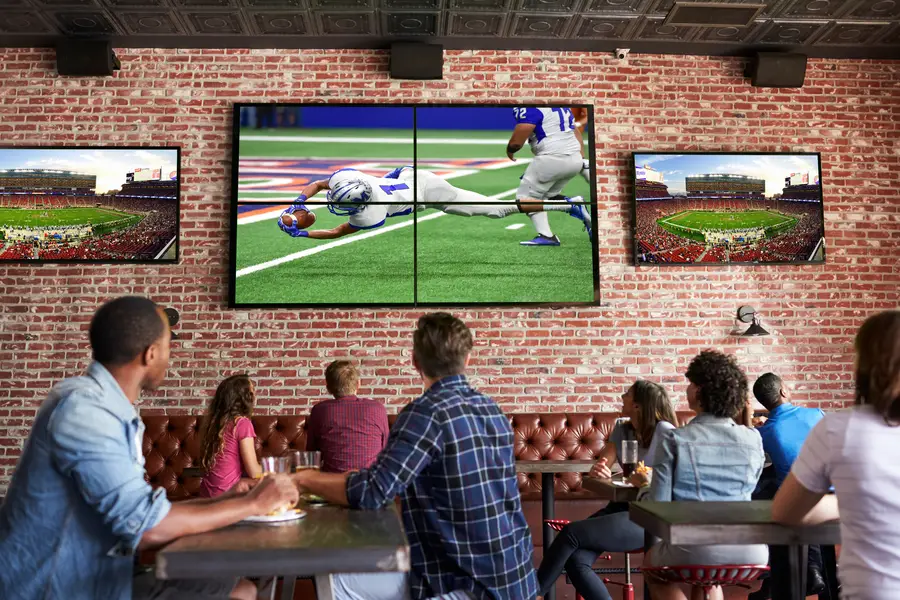
Expert TV Mounting Treasure Valley Homeowners & Businesses Trust

Explore whole-home audio, commercial sound, Sonos setup, and surround sound installation in the Treasure Valley.
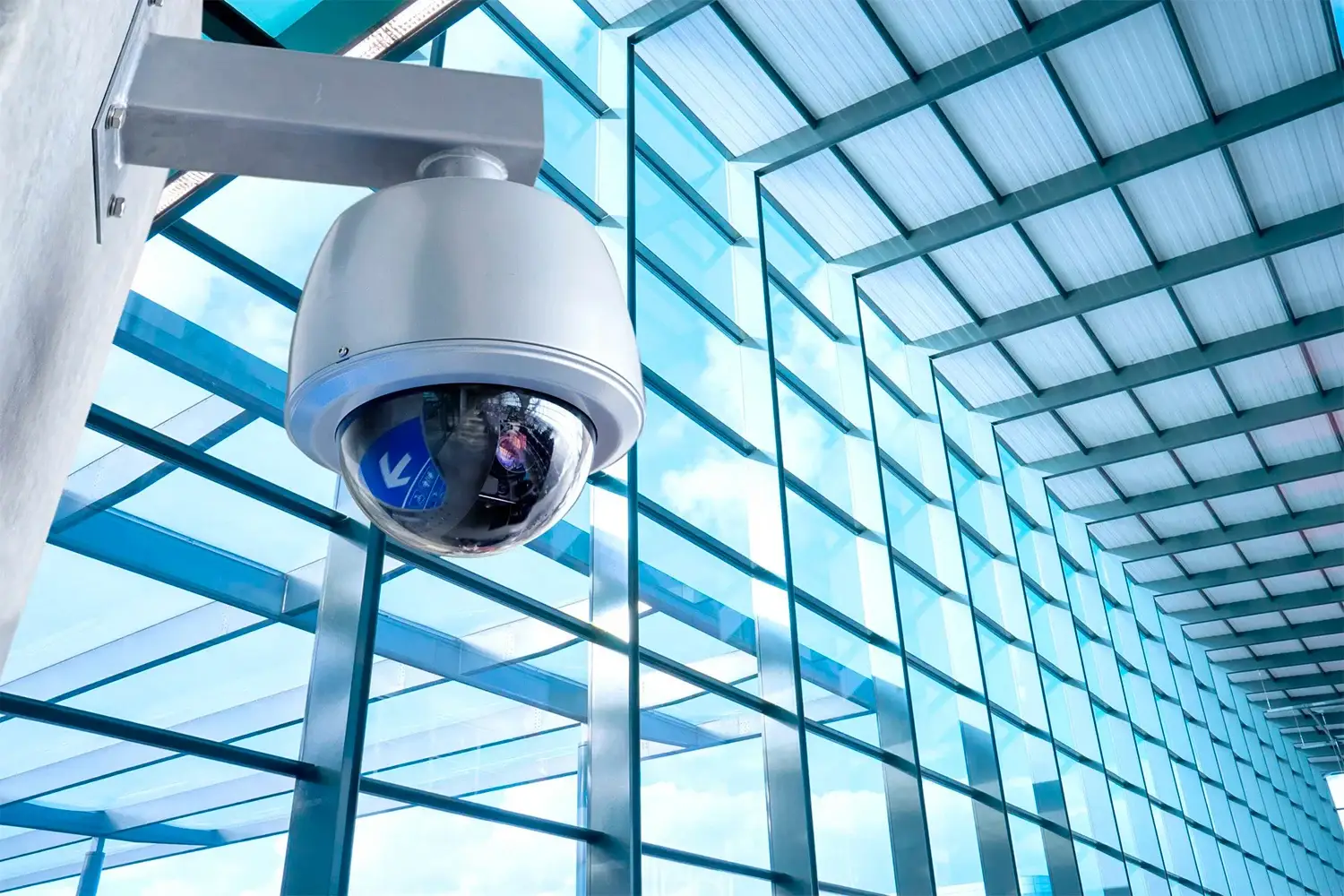
High-definition surveillance for peace of mind.
Serving the Treasure Valley
Local installation in your city