 (208) 991-3502
 Meridian, ID



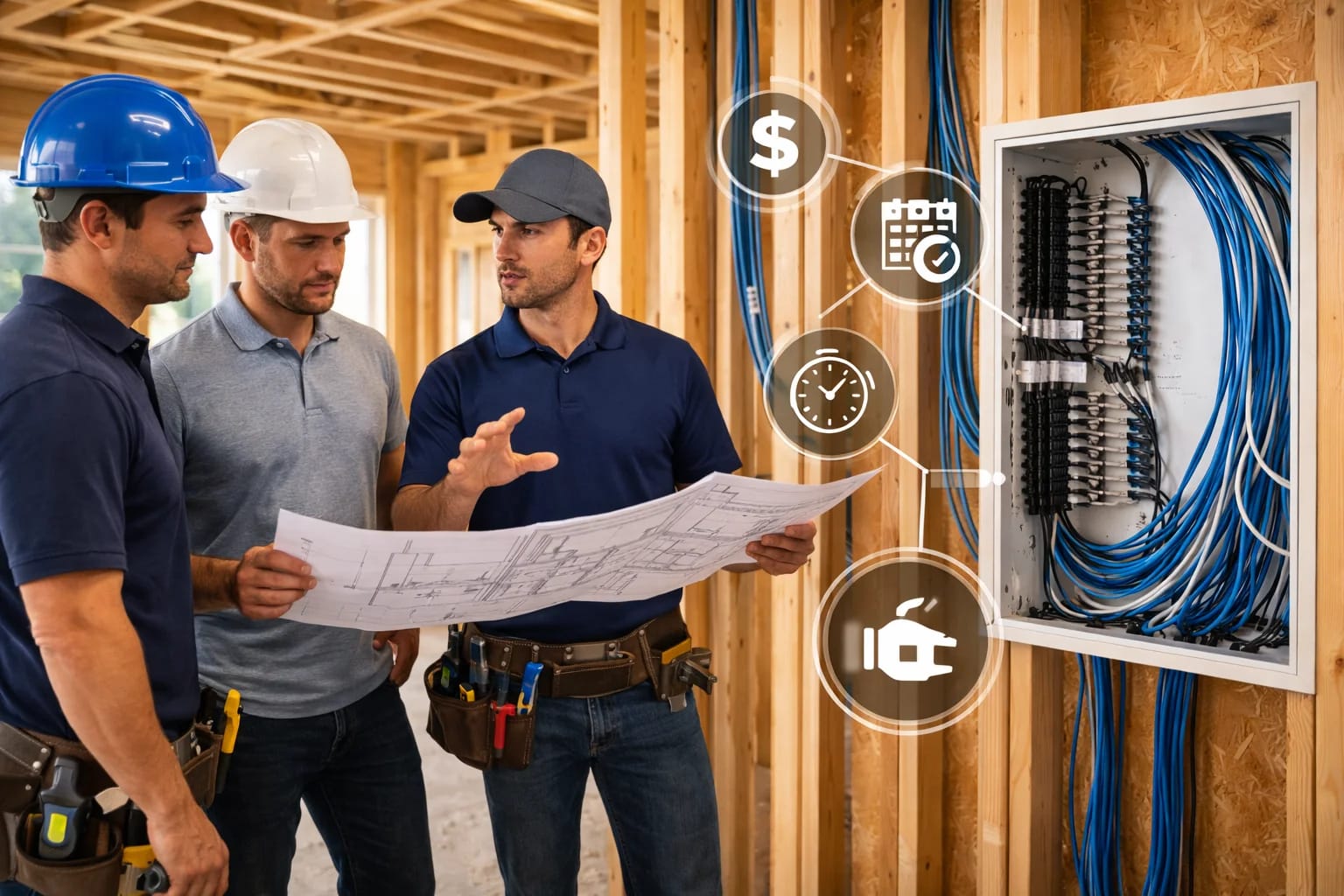

Partnering with a technology integrator helps builders reduce callbacks, avoid rework, and deliver better homes—while saving time and money.
Introduction: Technology Is Now a Construction Variable—Whether Builders Like It or Not
For years, builders could treat technology as someone else’s problem.
That’s no longer reality.
Today’s homes rely on complex systems—networking, low-voltage wiring, security, audio, and smart controls—that must coexist with framing, electrical, insulation, and finishes. When technology isn’t planned early, it doesn’t just affect homeowners. It affects schedules, budgets, callbacks, and reputations.
That’s why more builders are choosing to partner with professional technology integrators—not as an afterthought, but as part of the build team.
Done right, this partnership doesn’t add complexity. It reduces risk, saves time, and lowers total project costs.
What Is a Technology Integrator (and What They’re Not)
A technology integrator is not a gadget installer.
They are responsible for:
Designing low-voltage infrastructure
Coordinating technology systems with the build
Installing and integrating smart-ready systems
Supporting homeowners after close
They think in systems, not products—and that mindset matters on a jobsite.
The Hidden Costs of Treating Technology as an Afterthought
When technology is handled late—or piecemeal—builders often face:
Schedule delays
Trade conflicts
Rework and drywall damage
Frustrated buyers post-close
Increased warranty calls
These issues don’t show up in the initial bid—but they cost real money over time.
How a Technology Integrator Saves Builders Time
1. Fewer Mid-Project Changes
Late-stage technology requests often require:
Reopening walls
Rerouting wiring
Adjusting power locations
Rescheduling inspections
An integrator involved early plans infrastructure before framing and electrical, reducing change orders and surprises.
2. Clear Coordination with Other Trades
Technology touches nearly every phase of construction.
A professional integrator:
Coordinates with electricians
Works alongside framers
Aligns with insulation schedules
Avoids conflicts with HVAC and plumbing
This reduces friction between trades and keeps the project moving.
3. Faster Final Walkthroughs
When systems are organized and documented:
Builders spend less time explaining “what’s behind the walls”
Buyers feel confident instead of confused
Fewer post-close questions arise
That saves time at close—and afterward.
How a Technology Integrator Saves Builders Money
1. Reduced Callbacks and Warranty Issues
Many callbacks aren’t structural—they’re technological.
Common examples:
Poor Wi-Fi coverage
TV locations that don’t work
No place for networking equipment
Smart devices failing due to weak infrastructure
An integrator designs systems correctly from the start, dramatically reducing these issues.
2. Less Rework = Lower Labor Costs
Rework is one of the most expensive line items on any project.
Early planning avoids:
Drywall repairs
Finish damage
Labor stacking
Trade re-mobilization
Preventing rework is often where the biggest savings occur.
3. Predictable Technology Costs
When builders leave tech decisions to homeowners:
Scope creeps post-close
Issues reflect back on the builder
Pricing becomes unpredictable
A standard infrastructure plan creates consistent, controllable costs across projects.
Technology Integration Improves Builder Reputation
Buyers don’t separate technology from construction quality.
If:
Wi-Fi doesn’t work
TVs can’t be mounted cleanly
Security systems are hard to add
They blame the build.
Builders who partner with integrators deliver homes that:
Feel thoughtfully designed
Perform better immediately
Age more gracefully
That leads to better reviews and stronger referrals.
Why Builders Shouldn’t DIY Technology Planning
Builders excel at construction—not rapidly evolving technology standards.
Technology integrators stay current on:
Networking best practices
Smart home infrastructure
Low-voltage code requirements
Device interoperability
This expertise protects builders from outdated decisions that age poorly.
Infrastructure First: The Smart Builder Strategy
A good integrator focuses on infrastructure, not upselling gadgets.
That includes:
Ethernet where it matters
Centralized low-voltage panels
Conduit for future upgrades
Power planning for smart devices
Infrastructure is brand-agnostic, future-ready, and universally beneficial.
Better Buyer Experiences Mean Less Builder Stress
When buyers move into homes that “just work”:
Support requests drop
Frustration decreases
Confidence increases
Builders spend less time troubleshooting—and more time building.
How Integrators Support Builders After the Sale
A professional integrator doesn’t disappear at close.
They:
Educate homeowners
Handle future upgrades
Support system changes
Act as a long-term partner
This offloads post-close tech support from builders entirely.
Technology Partnerships Scale with Your Business
As builders grow, consistency becomes critical.
A trusted integrator:
Standardizes infrastructure across projects
Maintains documentation
Aligns with your build process
Scales with your volume
This creates smoother operations—not more management.
Common Builder Mistakes Integrators Help Avoid
Treating tech as a homeowner issue
Running minimal low-voltage wiring
Skipping conduit to save pennies
No coordination between trades
Leaving buyers without guidance
Each mistake increases long-term cost and risk.
Why Early Collaboration Matters Most
The earlier an integrator is involved:
The smoother the build
The lower the total cost
The fewer surprises
Late involvement always costs more—in time, money, or both.
Final Thoughts: The Right Partner Makes Building Easier
Technology isn’t going away—and neither are buyer expectations.
Builders who partner with a professional technology integrator:
Reduce callbacks
Protect schedules
Control costs
Deliver better homes
That’s not extra work. That’s smart construction.
Need Expert Help?
Ready to implement these solutions in your own home or business?
Our Services
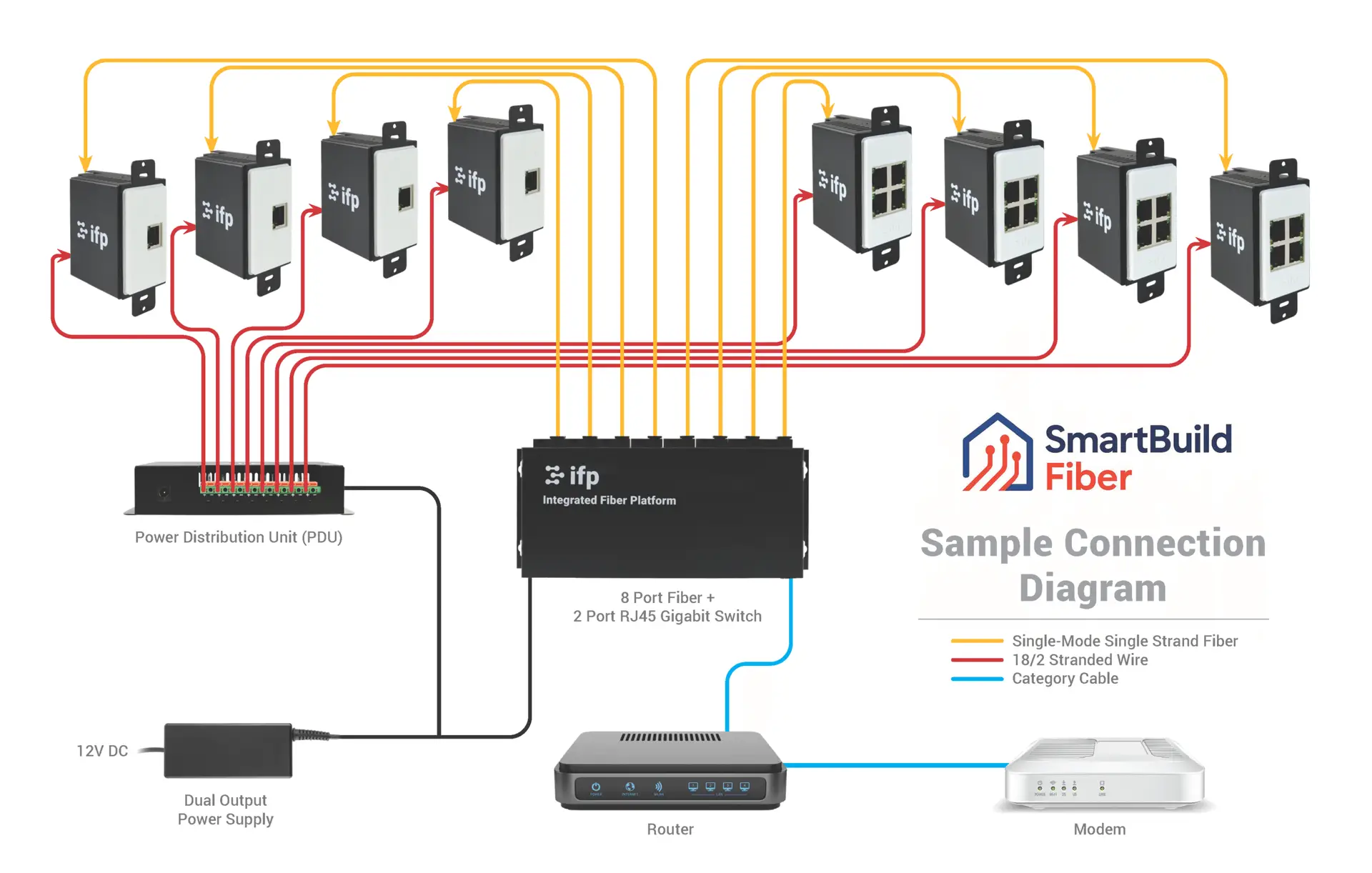
Future-proof fiber optic infrastructure.

Complete home automation and control.
Serving the Treasure Valley
Local installation in your city