 (208) 991-3502
 Meridian, ID



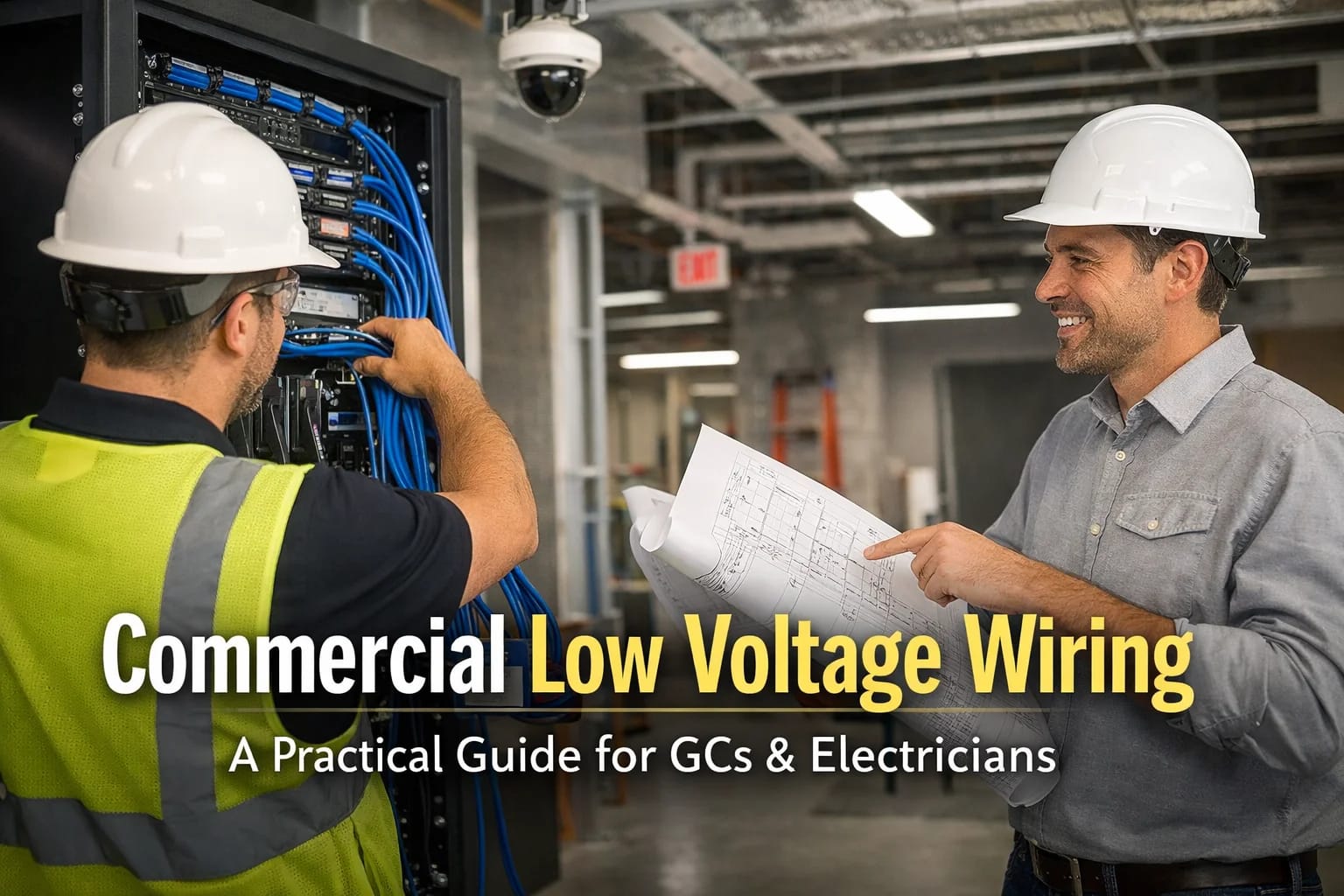

Low-voltage wiring plays a critical role in how modern commercial buildings function, yet it’s often misunderstood or planned too late. This guide explains what low voltage really includes, how it overlaps with electrical scopes, and why early coordination matters. Written for general contractors and electricians, it focuses on real-world planning, compliance, and long-term performance.
Why Commercial Low Voltage Wiring Deserves More Attention
In today’s commercial buildings, technology touches almost every part of daily operation. Networks support cloud systems. Cameras protect people and property. Wi-Fi keeps staff and customers connected. Audio and video systems shape how spaces are used.
All of that relies on low-voltage wiring.
Even so, low voltage is often treated as something that can be figured out later. On many projects, it shows up after framing is done, ceilings are closed, and schedules are already tight. That approach almost always creates problems.
Low-voltage wiring works best when it is planned early and treated as core infrastructure, not an add-on.
This guide is written for general contractors and electricians who want cleaner projects, fewer surprises, and systems that work the way clients expect them to.
What “Low Voltage” Actually Means in Commercial Spaces
Low voltage usually refers to systems operating below 50 volts, but that definition alone doesn’t explain its importance.
In commercial buildings, low-voltage wiring supports systems such as structured data cabling, security cameras, access control, Wi-Fi, audio and video, paging systems, intercoms, and building controls. In restaurants and retail spaces, it also supports POS networks, digital signage, and guest connectivity.
These systems may not carry high voltage, but they carry high responsibility. When low-voltage systems fail, businesses lose productivity, security, and revenue.
Understanding what falls under low voltage helps teams plan the right infrastructure from the start.
Where Scope Confusion Between Trades Begins
One of the most common challenges on commercial jobs is unclear responsibility between electrical and low-voltage scopes.
Questions come up like:
Who provides conduit?
Who installs backboxes?
Who pulls cable?
Who terminates devices powered over Ethernet?
When these questions are answered late, the result is often rework or delay. Sometimes conduit is missing. Other times, pathways exist but do not end where devices are needed.
The most successful projects establish scope early. Electricians focus on power, grounding, and code-driven infrastructure. Low-voltage contractors design and install communication and signal systems. General contractors coordinate both scopes so they work together instead of around each other.
Clear roles reduce friction and keep projects moving.
Why Early Low Voltage Planning Changes Everything
Low-voltage systems are easiest to install when walls are open and ceilings are accessible. Once finishes go in, every missed pathway becomes expensive.
Early planning allows teams to think ahead. Network rooms can be placed where they make sense. Cable routes can avoid mechanical conflicts. Conduit can be installed before it becomes difficult or impossible.
Just as important, early planning supports system performance. Wi-Fi access points can be placed for proper coverage. Camera views can be optimized. Conference rooms can be designed with real use in mind, not just what fits after the fact.
When low voltage is part of early design conversations, the entire building works better.
Code and Standards Still Matter
Low voltage does not mean low standards.
Commercial low-voltage systems must still follow NEC requirements, including proper separation from line voltage, correct fire ratings, grounding, and bonding. Local inspectors may also have specific interpretations that affect installation.
Beyond code, industry standards for structured cabling help ensure systems perform as expected. Proper labeling, testing, and documentation are part of doing the job right.
Following standards is not just about passing inspection. It’s about making systems easier to support, expand, and troubleshoot long after the project is finished.
Designing Low Voltage Systems That Can Grow
Buildings rarely stay the same. Tenants change. Technology advances. What works today may be outdated in a few years.
Good low-voltage design plans for that reality.
This often means installing spare conduit to key locations, pulling additional cable where access will be limited later, and leaving room in racks for expansion. It also means labeling cables clearly and documenting pathways so future work does not start from scratch.
Planning for growth costs little during construction and saves a lot over the life of the building.
Different Commercial Spaces Have Different Needs
Not all commercial buildings use technology in the same way.
Office spaces rely heavily on networking, conferencing, and access control. Restaurants depend on stable POS systems, cameras, audio, and guest Wi-Fi. Retail spaces often need flexible layouts that can change with tenants or seasons.
Understanding how a space will be used helps guide low-voltage design decisions. A one-size-fits-all approach rarely delivers good results.
Integration Is the Real Goal
Individual systems can work perfectly on their own and still create problems together.
When networks, cameras, and AV systems are designed in isolation, troubleshooting becomes harder and performance suffers. Integrated design allows systems to share infrastructure and work together.
Integration reduces downtime, simplifies support, and creates a better experience for the people who use the building every day.
Low Voltage Is Infrastructure, Not an Afterthought
Commercial low-voltage wiring supports how buildings operate, communicate, and scale. Treating it as an afterthought almost always leads to higher costs and lower performance.
When planned early, coordinated clearly, and installed to standard, low voltage becomes a long-term asset instead of a recurring problem.
For general contractors and electricians, recognizing low voltage as essential infrastructure leads to smoother projects and better outcomes for everyone involved.
Need Expert Help?
Ready to implement these solutions in your own home or business?
Our Services
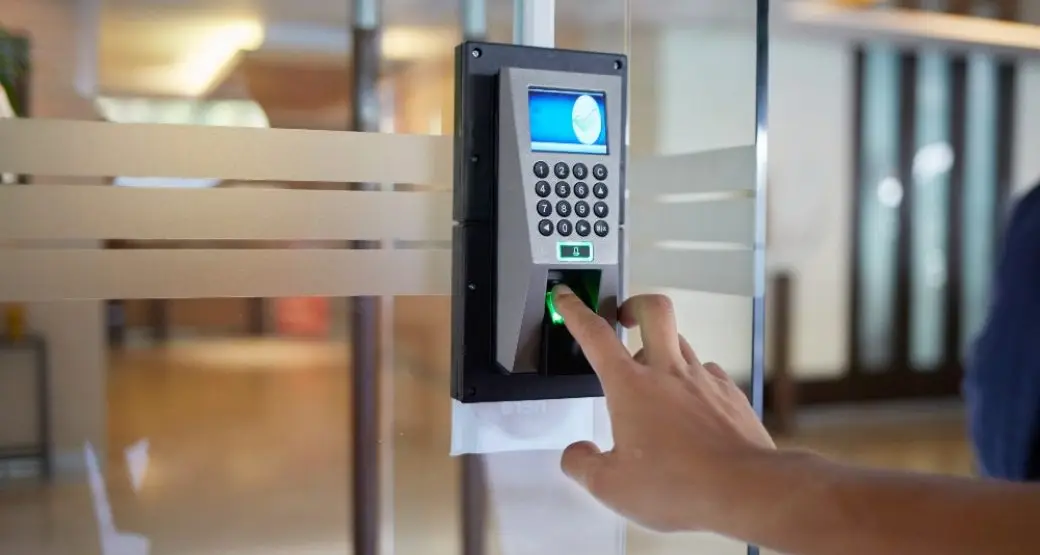
Comprehensive security solutions for home and business.
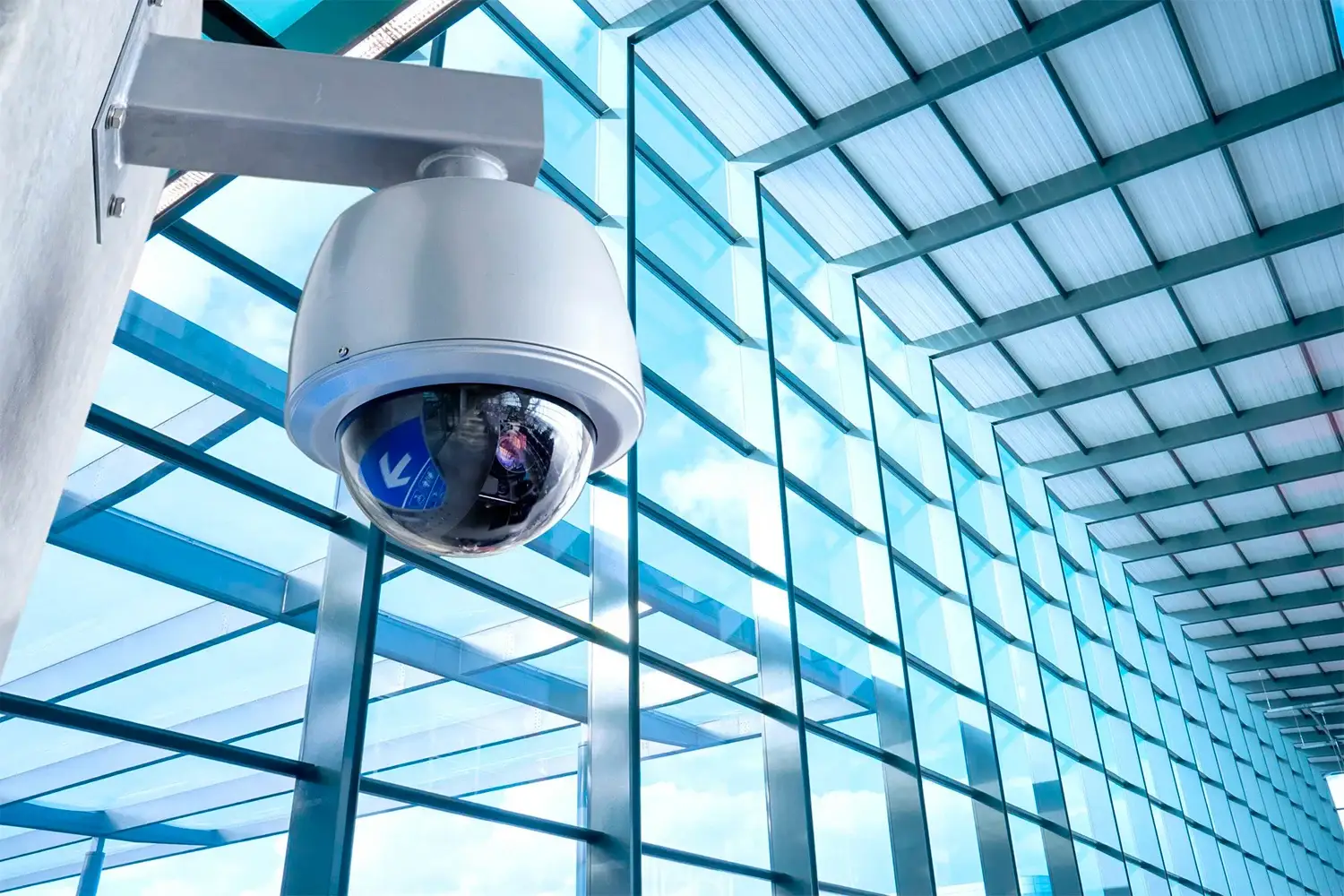
High-definition surveillance for peace of mind.

Motorized shades for convenience and energy efficiency.

Complete home automation and control.
Serving the Treasure Valley
Local installation in your city