 (208) 991-3502
 Meridian, ID





Low-voltage systems depend on proper pathways long before cable is pulled. This article explains why conduit, trays, and cable routes are critical to commercial low-voltage success—and how poor planning leads to rework and delays. Written for general contractors and electricians managing complex commercial builds.
Why Low Voltage Problems Often Start with Pathways
Most low-voltage issues do not start with cable or devices. They start with access.
If pathways are missing, blocked, or poorly planned, everything that follows becomes harder. Cable pulls take longer. Terminations get rushed. Finished areas must be reopened.
Pathways are the foundation of low-voltage systems. When they are done right, the rest of the work stays smooth.
Pathways Are Not Just “Extra Conduit”
A common misconception on commercial projects is that low voltage can use whatever space is left over.
In reality, low-voltage systems often require their own dedicated routes. Data cables, camera lines, and control wiring need clean, protected paths that stay accessible throughout construction.
When low voltage is forced to share crowded or undefined spaces, performance and reliability suffer.
The Role of Conduit in Commercial Low Voltage
Conduit provides protection, future access, and clear routing.
In commercial environments, conduit is especially important in:
Slab or concrete construction
Areas with open ceilings
High-traffic or service spaces
Future tenant improvement zones
Conduit also allows systems to grow. Pulling new cable later is far easier when pathways already exist.
Cable Tray and Open Pathway Planning
In many commercial buildings, cable tray systems are used to support large volumes of low-voltage wiring.
Well-designed tray systems:
Keep cables organized
Prevent sagging and damage
Allow easy inspection
Support future expansion
Poorly planned trays become overcrowded quickly. That leads to tangled cable runs, heat buildup, and difficult troubleshooting.
Planning tray size and routes early avoids these issues.
Separation from Line Voltage Matters
Low-voltage cables must be routed with care around line-voltage systems.
Improper separation can cause signal interference, noise, and performance problems. It can also create inspection issues if code requirements are not met.
Clear routing plans help electricians and low-voltage installers work without conflict.
Why Cable Management Affects Long-Term Performance
Cable management is not about looks alone. It affects how systems operate and how easy they are to maintain.
Well-managed cabling:
Reduces strain on terminations
Improves airflow
Simplifies future changes
Makes troubleshooting faster
Messy installs increase failure risk and frustrate everyone who works on the system later.
How Poor Pathway Planning Impacts Schedules
When pathways are missing or blocked, schedules suffer.
Installers lose time rerouting cable. Other trades may need to stop work to regain access. Finished areas may need to be reopened.
These delays rarely show up in early schedules, but they almost always appear near the end of the project—when time is tight.
The GC’s Role in Pathway Coordination
General contractors are in the best position to protect pathway planning.
By confirming conduit routes, tray locations, and access points early, GCs prevent conflicts between trades. Including low voltage in coordination meetings helps ensure pathways stay open until cable work is complete.
This small effort saves major headaches later.
Final Takeaway
Low-voltage systems rely on pathways more than any other part of the installation.
When conduit and cable routes are planned early, low voltage stays on schedule and out of the spotlight. When they are ignored, problems multiply quickly.
In commercial construction, good pathway planning is one of the simplest ways to reduce risk.
Need Expert Help?
Ready to implement these solutions in your own home or business?
Our Services

High-definition surveillance for peace of mind.

Complete home automation and control.
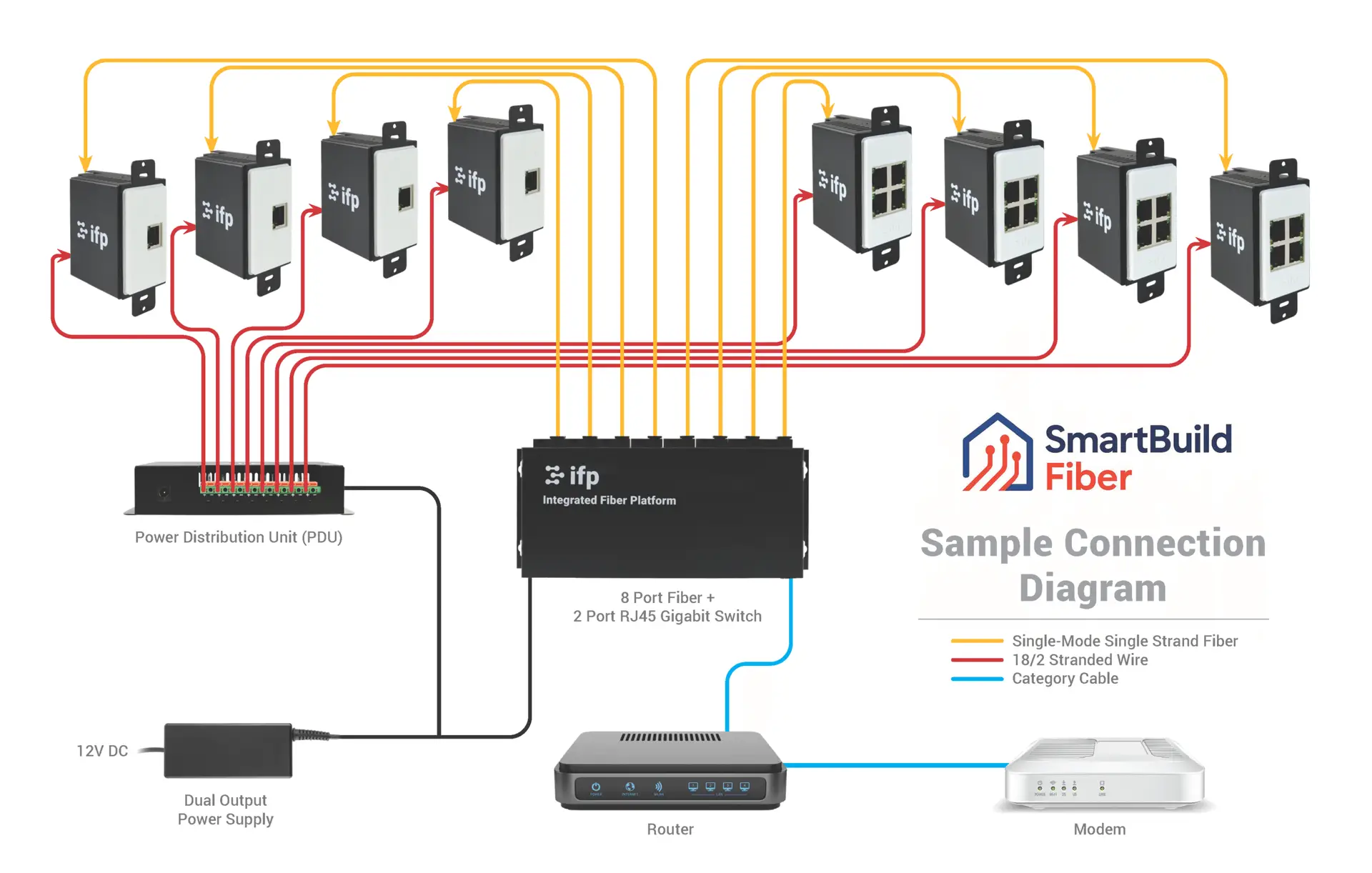
Future-proof fiber optic infrastructure.

Explore whole-home audio, commercial sound, Sonos setup, and surround sound installation in the Treasure Valley.
Serving the Treasure Valley
Local installation in your city