 (208) 991-3502
 Meridian, ID


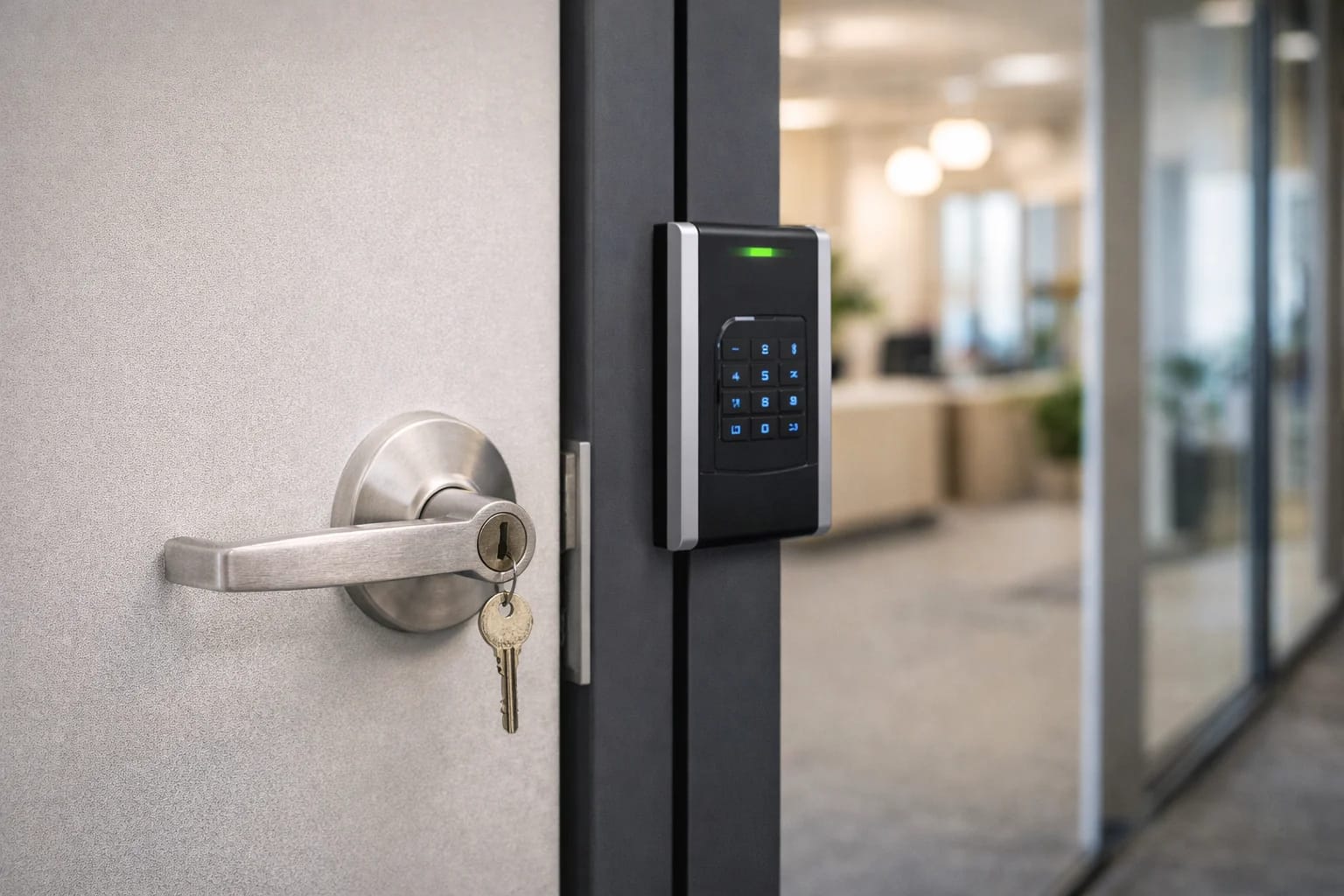

Traditional locks still work—but they struggle to meet the needs of modern businesses. This article explains the differences between access control systems and mechanical locks, including security, management, and long-term cost considerations. Written for business owners, property managers, and commercial project teams.
Why This Comparison Matters More Than Ever
For years, keys were enough.
A few doors, a few employees, and a simple lock worked just fine. But as businesses grew, buildings became more complex, and security expectations increased, traditional locks began to show their limits.
Understanding the difference between mechanical locks and access control helps businesses choose systems that fit how they actually operate today.
How Traditional Locks Work in Commercial Buildings
Traditional locks rely on physical keys.
When someone needs access, a key is issued. When access needs to be removed, locks are rekeyed or replaced. Control is managed one door at a time.
This approach is simple, but it lacks visibility and flexibility—especially in larger or multi-user environments.
The Hidden Challenges of Key-Based Systems
Keys create several challenges for businesses.
They can be lost or copied. There is no way to know who entered a space or when. When employees leave, access is difficult to revoke quickly.
Over time, managing keys becomes expensive and unreliable. Many businesses continue using outdated locks simply because replacing them feels disruptive.
How Access Control Changes the Equation
Access control systems replace physical keys with electronic credentials.
Access can be granted or removed instantly. Permissions can be scheduled. Entry events can be logged and reviewed.
Instead of reacting to problems, businesses gain proactive control over who can access specific areas.
Security Is Only Part of the Value
While access control improves security, its real value goes further.
It simplifies onboarding and offboarding. It reduces administrative overhead. It supports after-hours access without handing out extra keys.
For many businesses, access control improves daily operations as much as it improves protection.
Managing Access at Scale
Traditional locks do not scale well.
As doors, users, and locations increase, managing keys becomes chaotic. Access control systems are designed to scale from a few doors to hundreds.
Centralized management allows changes to be made quickly without touching physical hardware.
Audit Trails and Accountability
One of the biggest differences between access control and traditional locks is visibility.
Access control systems record who accessed a door and when. This audit trail supports security reviews, investigations, and compliance requirements.
Keys provide no such insight.
Cost Considerations Over Time
Traditional locks may appear cheaper upfront.
However, rekeying locks, replacing lost keys, and managing access manually adds cost over time. Access control systems often reduce long-term expenses by eliminating these recurring tasks.
Planning early also reduces installation costs.
When Traditional Locks Still Make Sense
Not every door requires electronic access.
Storage closets, low-risk areas, and secondary spaces may still be well served by mechanical locks. Access control works best when applied where control and visibility matter most.
A hybrid approach is common in commercial buildings.
Why Many Businesses Transition Gradually
Businesses often adopt access control in phases.
They may start with exterior doors or sensitive areas, then expand over time. Modern systems support this approach by allowing gradual growth without replacing the entire platform.
This flexibility makes access control approachable for many organizations.
Final Takeaway
Traditional locks still have a place, but they struggle to meet modern business needs.
Access control systems provide better security, visibility, and flexibility—especially as buildings and teams grow.
For many businesses, the question is no longer if they should adopt access control, but where to start.
Need Expert Help?
Ready to implement these solutions in your own home or business?
Our Services
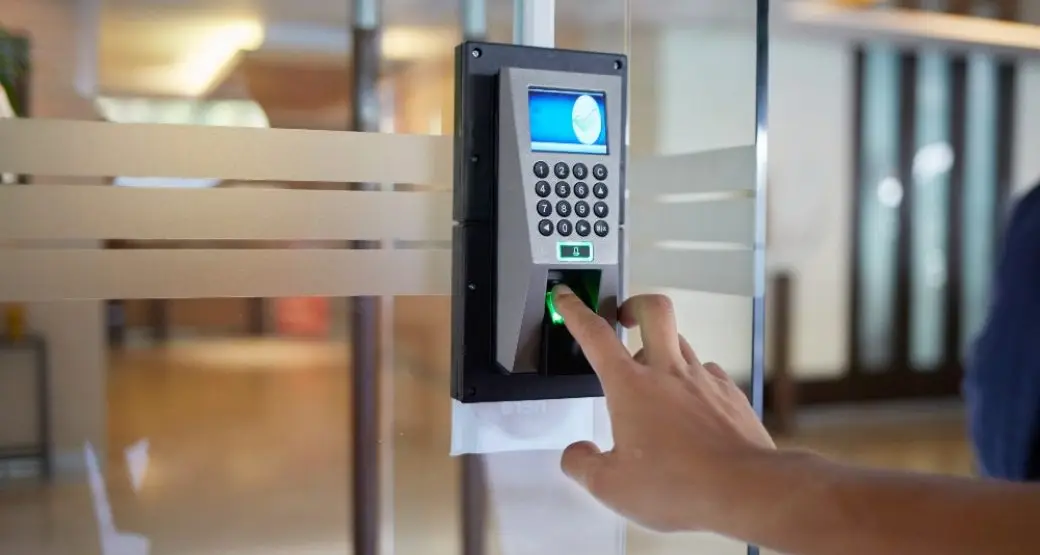
Comprehensive security solutions for home and business.
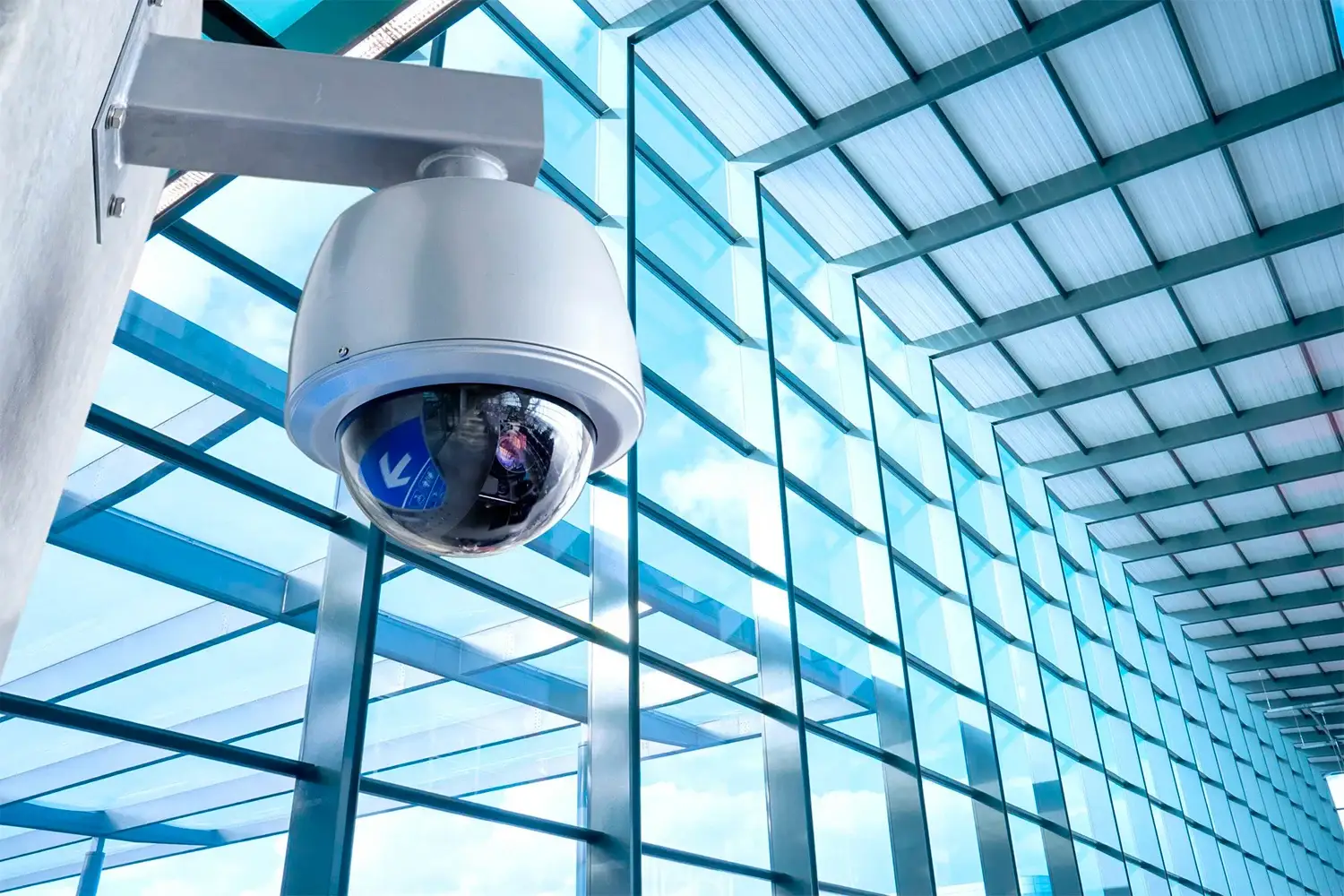
High-definition surveillance for peace of mind.

Technology solutions for independent living.

Complete home automation and control.
Serving the Treasure Valley
Local installation in your city